
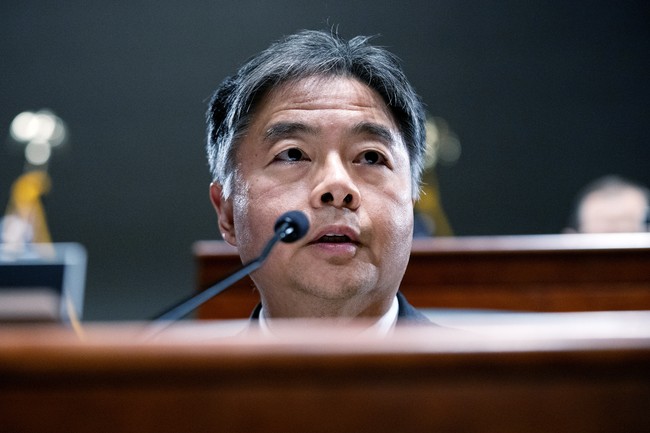
Marco Rubio forcefully confronted Representative Ted Lieu during a House Foreign Affairs Committee exchange, pushing back on Democratic insinuations about President Trump’s health and public appearances. The back-and-forth highlighted partisan theater in hearings, with Rubio calling the claims “absurd and ridiculous” while Lieu pressed a narrative about the president’s supposed disappearances and cognitive decline. The debate touched on broader concerns over political attacks, media narratives, and standards for public officials’ fitness, with both sides trading barbs about credibility and motives. Embedded clips from the hearing and a social media reaction accompany the account.
Congressional hearings often drift into theatrical grilling rather than fact-finding, and this encounter was no exception. Ted Lieu framed his line of questioning around the idea that President Trump had been absent from public view and subject to health tests, saying, “There’s a reason he [Trump] keeps going to the hospital, and they keep giving him cognitive tests. We have not seen the president in eight days. [What are you even smoking, Ted? The dude never stops.] The American people deserve the truth.” That charge set the stage for a blunt rebuttal from Secretary of State Marco Rubio.
Rubio cut straight to the point, calling the claim “absurd and ridiculous” and expressing disbelief that such assertions were being made in a Foreign Affairs Committee session. His response emphasized that the committee’s time should focus on serious foreign policy matters, not speculative medical commentary. Rubio also underscored that he observed the president’s activity firsthand and rejected the narrative that Trump was incapacitated.
LEIU: There’s a reason he [Trump] keeps going to the hospital, and they keep giving him cognitive tests. We have not seen the president in eight days. [What are you even smoking, Ted? The dude never stops.] The American people deserve the truth.
I yield back.
The hearing continued with interruptions and accusations, reflecting how partisan dynamics can derail procedural decorum. Lieu accused Rubio of lying while Rubio pushed back on Lieu’s self-styled medical analysis. Rubio said he could not take seriously someone who presented himself as a medical expert without the qualifications to make those claims, framing the moment as emblematic of broader Democratic talking points rather than evidence-based concern.
RUBIO: I don’t even know how to respond to that. Other than to tell you that it’s absurd and ridiculous, and I can’t believe we’re in a Foreign Affairs Committee meeting in front of the House, an important time in American foreign policy —
LIEU [rudely interrupting]: Just keep lying, Secretary Rubio. Just keep lying.
RUBIO: [… being questioned by] supposedly someone who thinks he’s a medical expert, when he’s not.
Rubio pressed factual context into his rebuttal, noting the president’s intense schedule and high level of public engagement. He described Trump as working “inhumane” hours and said this reality clashes with Lieu’s suggestion of an extended absence. Rubio argued that the president’s activity undermines the claim that he is cognitively impaired or hiding from public duties.
From a Republican perspective, the exchange illustrated two recurring patterns: Democrats pivoting to personal accusations rather than policy critique, and Republicans defending competence and stamina as relevant to leadership. Rubio insisted that while people may dislike the president’s policies, those disagreements do not justify spreading unfounded medical conjecture in a policy forum. He repeatedly returned to observable facts about the president’s public schedule to rebut Lieu’s assertions.
Rubio’s closing lines in the exchange relied on a straightforward appeal to direct observation: “You may not like his policies, you may not like the decisions he’s made. But I assure you, this is not a president that sleeps or is cognitively impaired in any way, shape, or form. And in fact is incredibly active, much more so in many cases than much younger people that are around him. Those are facts.” He emphasized that partisan narratives should not replace tangible evidence.
https://x.com/FoxNews/status/2062193606849417346
The episode also reflected how media and political opponents amplify selective moments to craft broader stories about fitness for office. Republicans see such tactics as an attempt to erode public confidence without proof, while Democrats argue scrutiny is part of accountability. In this case, Rubio insisted the evidence did not support Lieu’s claims and that the committee’s time was being misused for theatrical attacks.
After Rubio’s remarks, observers on social media weighed in, with reactions ranging from amusement at Lieu’s approach to praise for Rubio’s blunt takedown. The exchange underscores how hearings that should focus on national security and foreign affairs instead become stages for partisan disputes about character and stamina. Those disputes play out in committee rooms, on social platforms, and across news cycles, shaping public perceptions regardless of policy outcomes.
The hearing closed with neither side yielding on the broader narrative, but Rubio’s intervention made clear where Republicans stand: defending the president’s capacity and calling out what they see as baseless allegations. The moment served as a reminder that congressional forums often reflect political theater as much as they do oversight, and that sharp exchanges can dominate headlines even when policy substance is at stake.

Lieu absolutely looks like the one with the Heath Problems both Physical and MENTAL!!!