
This article examines shifting American attitudes during “Pride Month,” reviewing a recent Gallup poll that shows declining support for LGBTQ issues, breaking down party differences and attitudes toward gender transition, and noting cultural factors driving the change.
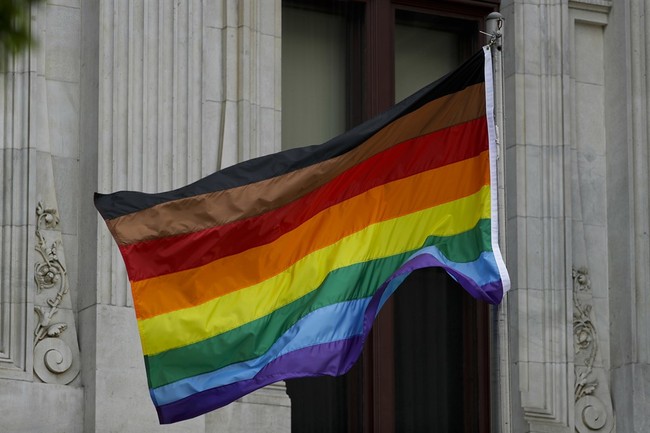
June is widely known as “Pride Month,” a thirty-day period when LGBTQ events, rainbow imagery, and public celebrations become prominent across many cities. For some people this is a welcome visibility boost, while for others it feels like an in-your-face cultural moment. The debate over public celebration versus private liberty is at the center of the shifting public mood.
https://x.com/JamesLNuzzo/status/2023415108039549370
The latest Gallup poll, released on a Wednesday in early June, suggests support for LGBTQ issues may have peaked and is now sliding backward. The poll reports that 65 percent of Americans still support same-sex marriage, but that figure is six points lower than its high in 2022 and 2023. Moral acceptance of gay and lesbian relationships has dipped to 62 percent, the lowest level Gallup has recorded since 2016.
Public opinion on gender transition is even less favorable. Just 38 percent of respondents said changing one’s gender is morally acceptable, down eight points since 2021, while 57 percent described gender transitioning as morally wrong. These shifts show clear differences between private tolerance and public endorsement of gender-related policies and visibility.
Party affiliation remains a major factor in how Americans respond to these questions. Republican backing for same-sex marriage stands at 37 percent, a sharp fall from 55 percent in 2021 and 2022. Independents dropped six points to 67 percent, while Democrats stayed steady at 87 percent. These numbers reflect not a sudden condemnation but a retreat from the rising curve of the past decade.
Gallup notes that Republicans are largely driving the change, and recent political events may help explain why. President Trump performed well with younger voters in 2024, and some conservative voices gained traction among college-age Americans. The tragic assassination of conservative activist Charlie Kirk in September of 2025 reportedly triggered an uptick in young people embracing conservatism, with some younger men returning to church or reexamining their faith.
The cultural reaction is not limited to electoral politics. A number of conservative communities have pushed back against diversity, equity, and inclusion policies and public displays they see as normalizing what they view as extreme identities. That pushback often frames the issue as protecting children and public institutions from ideological pressure rather than policing private behavior.
On the other side, Democrats and many progressives argue that visibility and legal protections for LGBTQ people are matters of basic equality. That argument has driven policy changes and corporate signaling over the past two decades, which in turn increased public recognition and acceptance in many circles. The pullback shown in the poll suggests the momentum toward universal acceptance is not unidirectional.
These polling trends matter because they shape legislative priorities, school policies, and cultural expectations. When public opinion shifts, lawmakers and institutions respond, sometimes by proposing limits on gender policies in schools and athletics or by changing how public events are funded and promoted. The debate tends to center on where public space ends and private freedom begins.
For many Americans, the practical line is simple: live your life as you choose, but don’t force children or public institutions to adopt particular norms. That sentiment appears across age groups and parties, even as the details of acceptable public behavior remain contested. The Gallup numbers show a country reassessing how visible and normalized certain LGBTQ issues should be in civic life.
Public opinion is fluid, and these snapshots from Gallup capture one moment in an ongoing cultural conversation. The data show declines in some areas of support, steady positions in others, and a clear partisan split that will continue to influence debates about rights, visibility, and policy in the months ahead.

Add comment