
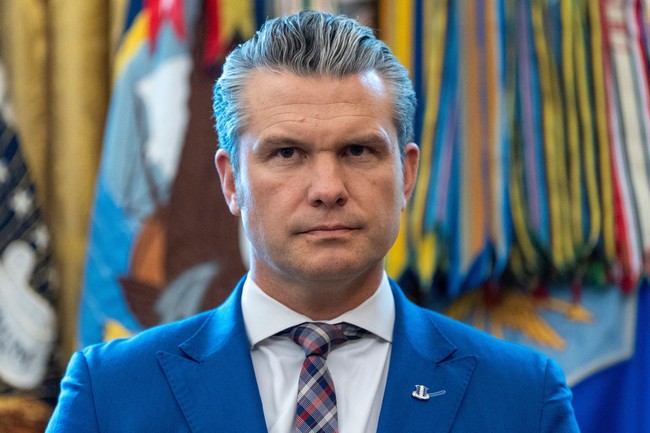
The Defense Department has cut graduate and professional military education ties with Harvard, with Secretary Pete Hegseth saying the university pushes ideology over the warrior ethos; this move expands to reviews of Ivy League and other civilian graduate programs to ensure military leaders receive practical, cost-effective training that strengthens our fighting force.
Donald Trump has sparred repeatedly with Harvard during his time in office, and critics argue the university’s reputation has been eroded by a string of controversies, from academic misconduct at the top to campus antisemitism after Oct. 7, 2023. Those developments have fueled a broader argument that some elite institutions prioritize ideology over service and national security. Conservative leaders see these trends as a serious threat to the quality and character of military education. The debate now centers on whether taxpayer-funded officer education aligns with mission-ready outcomes.
Secretary Pete Hegseth announced a sweeping change, saying the department will end all graduate-level professional military education, fellowships, and certificate programs with Harvard for active duty service members beginning in the 2026–2027 school year. He framed the decision as necessary to stop returning officers who are shaped by “globalist and radical ideologies” that do not improve our fighting ranks. The aim is to preserve a warrior culture that prioritizes mission, cohesion, and combat effectiveness. This is not about cutting ties arbitrarily; it is about aligning education with military needs.
Hegseth was blunt about the results he has seen when officers interact with institutions he believes no longer share military values. “For too long, this department has sent our best and brightest officers to Harvard, hoping the university would better understand and appreciate our warrior class. Instead, too many of our officers came back looking too much like Harvard — heads full of globalist and radical ideologies that do not improve our fighting ranks.”
The decision to pause relationships with Harvard is only the first step. Hegseth signaled a broader review across the Ivy League and other civilian universities to evaluate whether their graduate programs deliver strategic education that is cost-effective and applicable to senior military leadership. Departments across the Army, Navy, and Air Force will assess whether these programs outperform public universities or internal military graduate programs. The point is to compare outcomes, not reputations, and to make choices grounded in measurable benefit to the force.
Hegseth emphasized institutional bias and the lack of viewpoint diversity at elite schools when explaining the review, saying these cultural issues undercut military readiness. “With some exceptions, the Ivy League, as a whole, has pervasive institutional bias and a lack of viewpoint diversity, including the coddling of toxic ideologies that undercuts our mission right here in this building.” That language reflects a Republican concern about ideological conformity in higher education and its downstream effect on civil institutions. This administration wants to stop subsidizing programs that don’t produce demonstrably stronger leaders.
He described the review process as practical and comparative: the military will evaluate costs and educational value, weighing civilian offerings against public universities and internal military schooling. The goal is to ensure that every program funded for active duty personnel provides a strong return on investment for national defense. Officials will look at curriculum relevance, leadership development, and whether graduates deploy with improved judgment and operational capability. If programs fail to measure up, the department will shift resources to institutions that do.
Hegseth also cited his personal break with Harvard in 2022, when he symbolically returned his Master’s in Public Policy from the Harvard Kennedy School, to underscore his point about principles and consequences. That act was meant to be a clear signal that affiliation implies endorsement, and endorsements matter when they influence the culture of the officer corps. The department is now acting on that logic by removing institutional pathways that appear to introduce counterproductive influences into our ranks. This is about defending competence and character in uniformed service.
The secretary closed his announcement with language meant to draw a sharp contrast between military purpose and campus trends: “We train warriors. not wokesters. Harvard, good riddance.” Those words capture the administration’s posture: a refusal to tolerate educational partnerships that dilute combat effectiveness. Conservatives argue that supporting institutions that embrace ideological excess sends the wrong message to service members and taxpayers alike. The shift is designed to reorient officer education toward missions, strategy, and national defense priorities.
Looking ahead, the military’s comparative review will reshape how and where officers receive advanced education, and it will test whether civilian elite institutions can demonstrate concrete value to the force. If the goal is stronger senior leaders who are ready for real-world command, then programs will be judged by outcomes, not pedigree. This move could redirect significant training dollars toward programs that produce resilient, mission-focused leaders, and that is the central objective driving this policy change.

Add comment