
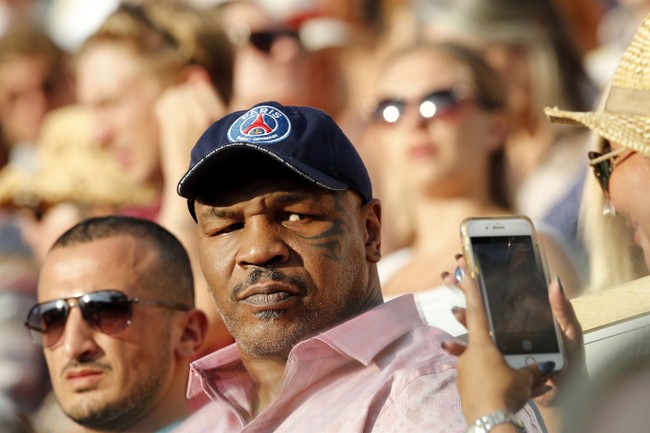
Mike Tyson appears in a short but powerful video supporting Robert F. Kennedy Jr.’s Eat Real Food push, using his own life story to call out processed food and obesity as national problems, while the clip connects to recent federal guidance changes and a wider conversation about American nutrition.
“Iron” Mike Tyson was long remembered for the 1997 Holyfield fight incident, when he bit his opponent’s ear and was disqualified, a moment that spawned endless jokes. After that low point he drifted into odd jobs and fleeting TV spots, but in recent years he has reemerged as a blunt, candid voice on health and personal redemption. In the new clip he links family tragedy and personal struggle to a broader critique of processed food culture. The result is short, raw and meant to provoke action, not applause.
Warning: graphic image in tweet
Tyson frames his plea through heartbreak and admission, describing the death of a sibling and his own weight spiral, and he does it without flourishes. His delivery is plain and direct, the kind that lands because it feels lived-in rather than scripted. That tone helps the message: eating real food is not a trendy slogan but a response to real damage in families and communities.
The clip arrives amid a policy push tied to HHS’ updated dietary guidance, often referred to by supporters as the new Food Pyramid. The new guidance is being presented as a corrective to decades of nutrition advice that many critics say favored processed products and vague recommendations. The discussion around the guidance has become part of a larger cultural argument over how America feeds itself and what federal agencies should recommend.
Tyson and RFK Jr. have shared public panels and conversations since at least 2020, and this collaboration is a continuation of that relationship. The pairing is striking: a former heavyweight champ and a controversial public figure pushing a simple idea — choose real food over processed junk. That marriage of celebrity and policy is designed to reach people who might ignore technical reports but will listen to a familiar voice with a tough story.
Watch:
The video contains Tyson’s exact words: “My sister’s name was Denise. She died of obesity in ’25,” Tyson begins.” She had a heart attack.” He follows with another exact quote: “I was so fat and nasty, I would eat anything,” the boxer continues.”I was like 345 pounds. I would eat a quart of ice cream every hour. I had so much self-hate when I was like that, I just wanted to kill myself.” Those lines land because they mix plain detail with unvarnished emotion.
Tyson then widens the lens: “We’re the most powerful country in the world, and we have the most obese, pudgy people,” he says. “Something has to be done about processed food in this country,” that line shifts the focus from private suffering to public policy. The video closes by directing viewers to realfood.gov for more information on the updated guidance and resources tied to the Make America Healthy Again framing.
The clip has drawn public reactions from chefs and conservative figures who praised its blunt honesty and the move toward clearer dietary messages. Celebrity endorsements like that underscore how cultural influencers can amplify policy talking points more effectively than dense reports. At the same time, some health experts note that a single clip can’t address individual medical needs or replace doctor-patient conversations.
Bobby Kennedy Jr. also brought his Eat Real Food initiative to a meeting with Texas ranchers this week, stressing agricultural connections and food-supply themes. Other recent items in the same conversation include comments from public figures about additives and regulatory shifts. These threads point to a broader push to rethink what Americans eat and how government should guide those choices.
On the consumer front, state and nonprofit actors have highlighted concerns about additives in processed bread and similar staples, and federal agencies have moved to evaluate and approve more naturally derived colorants as alternatives to older chemical dyes. Those developments show the debate is not only rhetorical but regulatory, with tangible changes to what ends up on store shelves.
Scientists and media figures have also weighed in on why sugar and ultra-processed foods trigger cravings, arguing biological mechanisms help explain addictive consumption patterns. Conversations among researchers and popular podcasters have aimed to translate those findings into practical advice for daily eating choices. The mix of science, policy and personal testimony is shaping a new narrative about American diet and health.
No single initiative will be a perfect fit for everyone, and personalized medical care remains essential, but the new attention to real food and reduced processing has shifted public debate. Tyson’s brief, emotional testimony is meant to move people from awareness to action, using his own history as a warning and an invitation to change. The clip is short, confrontational and meant to be a spark in a wider effort to improve nutrition across the country.

Add comment