
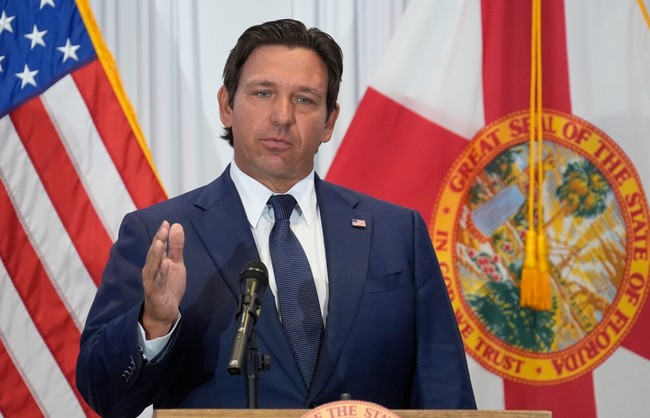
Florida is moving to redraw its U.S. House districts in a special April session called by Governor Ron DeSantis, aiming to protect and expand the GOP’s narrow majority in the House ahead of the midterms. The effort follows a trend in several states where legislatures are reshaping maps, and it comes as the Supreme Court considers a case that could change how the Voting Rights Act is applied. This piece walks through what Florida is doing, how other states have reacted, the constitutional backdrop, and the political stakes at play.
Governor DeSantis announced a special legislative session set for April 20-24 to tackle congressional redistricting, saying the timing lets lawmakers finish the regular session first. The state currently has 20 Republican-held seats out of 28, and Republican leaders see an opportunity to shore up their advantage before filing deadlines and the midterm campaign season accelerate. This move is framed as ensuring “every Florida resident deserves to be represented fairly and constitutionally,” language the governor emphasized in public remarks.
Gov. Ron DeSantis on Wednesday announced a special legislative session, scheduled for April 20-24, to address redistricting.
The session will “take place after the regular legislative session, which will allow the Legislature to first focus on the pressing issues facing Floridians before devoting its full attention to congressional redistricting in April,” he posted on X.
“Every Florida resident deserves to be represented fairly and constitutionally,” he added.
The maps are typically redrawn at the beginning of each decade after Census results are released. But President Donald Trump has been pushing Republican-led states to redraw ahead of the midterms to boost the party’s chances of keeping its narrow majority in the U.S. House.
Florida is not acting in isolation; Republican-led states have already moved to redraw maps, and some Democratic states have pushed back with their own changes. High-profile examples include Texas, Missouri, North Carolina and Ohio moving in ways that favor Republicans, while Democrats in California and Virginia have tried to adjust maps on their own terms. That national pattern sets the political context for Florida’s session and raises partisan temperature around redistricting efforts everywhere.
Texas, Missouri, North Carolina and Ohio have redrawn maps favoring Republicans. In California, Democrats responded with a new map, and Virginia Democrats have tried to do the same.
Republicans hold 20 of Florida’s 28 congressional districts. The current deadline for candidates to file is April 24, although the date could be moved.
The Constitution leaves states broad authority to run elections, which includes drawing districts, but Congress retains power to enact rules that affect federal elections. That constitutional balance is part of why many observers are watching the Supreme Court’s pending decision in a voting-rights case. If the Court limits aspects of the Voting Rights Act, states could find fewer legal constraints on crafting favorable maps.
DeSantis has said the state should wait for a potential Supreme Court ruling that could change how lawsuits over race and representation are decided. The governor and other Republican leaders argue that a ruling that eases restrictions could justify redrawing maps now to reflect political realities before the midterms. Opponents will frame this as partisan gerrymandering, but supporters see it as a legal and prudent use of state authority to protect electoral outcomes.
DeSantis, a Republican, wants to delay considering a new map in anticipation of a potential U.S. Supreme Court ruling that could weaken the Voting Rights Act and make it easier for states to add GOP-friendly districts.
Justices are currently considering whether Louisiana’s new congressional map, which created a second majority-Black district, complies with the U.S. constitution. It’s not clear when a ruling will be issued this year.
Democrats will accuse Republicans of gerrymandering, and they already point to odd lines drawn in Democratic states as evidence that no party has a monopoly on map-making excesses. The counterargument from the GOP side is straightforward: look at how some Democratic-controlled states draw their districts and recognize the hypocrisy in protests over fairness. That whataboutism aside, the partisan tug-of-war over maps is a political weapon as well as a legal fight.
The stakes are high because control of the House could determine whether Republicans can check the next Democratic agenda and avoid repeated investigations and impeachment pushes. For many conservatives, preserving a House majority matters as a guardrail against what they view as overreach by a revived left-wing coalition. With a narrow margin in Washington, state-level decisions on lines can ripple into national policymaking and oversight for years to come.
Florida’s special session will be watched closely by both parties because it could set a template for other states and influence national momentum heading into the midterms. Practical questions about filing deadlines and whether maps will be finalized before candidate lists close remain unsettled, but the political aim is clear: protect Republican gains and make sure the next Congress reflects the priorities of voters who backed conservative leadership at the state level.

Add comment