

Hilton removed a franchise’s Hilton branding in Minneapolis after reports that a Hampton Inn location was denying service to DHS and ICE officers; a crane later took down the Hampton Inn sign, and social media attention and local reporting pushed Hilton to sever ties with the property while sparking debate about corporate responsibility and law enforcement accommodation.
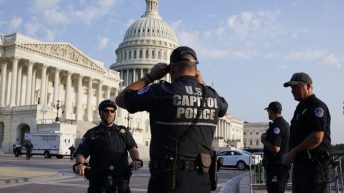
Big companies often get criticized by conservatives for bending to woke pressures, so it’s worth noting when one course-corrects under scrutiny. In this case, Hilton took action after the Department of Homeland Security flagged a hotel for refusing to house immigration officers. That response matters to those who believe the rule of law and public-safety personnel should be treated fairly.
The story unfolded in stages: first came reports and video showing the franchise allegedly denying service to DHS and ICE agents. Then Hilton made a statement distancing itself from the location and removed the property from its systems. Finally, a giant crane physically removed the recognizable Hampton Inn sign from the building, signaling the end of the chain’s formal association with that franchise.
Conservative readers will note the practical appeal of this outcome. Corporations that pledge neutrality yet allow discriminatory practices undermine trust in private sector commitments to law and order. When a national brand cuts ties with a rogue franchise that flouts policy and common sense, it reinforces accountability in the marketplace.
The visual of a crane lifting a hotel sign feels almost symbolic, like a brand being stripped of its public face. Images circulating online show crews taking the Hampton Inn lettering off its supports, a tidy end to a very public problem. That action made clear Hilton wanted to make a clean break from whatever was happening at that location.
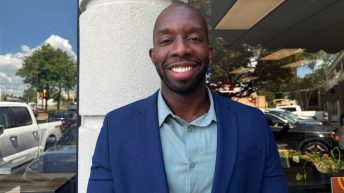
Play-by-play reporting and posts from local influencers kept pressure on the chain to respond decisively. One creator shared footage that appeared to show staff turning away law enforcement even after Hilton had issued corrective statements. Social media amplified the issue and helped bring corporate attention back to the franchise’s behavior.
The situation also exposed how fast things can escalate when local practices clash with national brand standards. Franchise models depend on consistent behavior across properties, but when a single outlet acts outside those rules, the brand’s reputation is on the line. Hilton’s choice to sever ties demonstrates that chain-level policies can still be enforced when enough people notice.
Some critics will argue Hilton acted only because of the fallout, not principle, and that might be true in part. Conservatives who favor limited government still expect businesses to operate honestly and support public safety, and in this instance the corporate move aligned with that expectation. Even if motivated by damage control, the result favored law enforcement and uniform standards.
The quoted news passage about the sign removal captured the basic facts plainly and should be preserved for accuracy. It described the crane operation, mentioned Hilton’s prior apology and distancing language, and noted uncertainty about who would run the property next. Those details matter for anyone tracking how brands manage franchises and reputation risk.
Photos emerged Thursday showing a crane removing the sign of a Hampton Inn hotel in the Minneapolis area that allegedly refused to accommodate U.S. Immigration and Customs Enforcement (ICE) agents and immigration officers.
The formerly Hilton-branded property in Lakeville was stripped of its Hilton label by the hotel chain on Tuesday morning after a video surfaced appearing to show that the location continued to deny immigration officers despite Hilton Hotels saying that the venue had apologized and that “properties are open to everyone, and we do not tolerate any form of discrimination.”
The images showed the sign being lifted off its supports by a crane set up in the hotel’s parking lot.
Hilton did not immediately respond to a request for comment Thursday from Fox News Digital. It’s unclear who is now operating the hotel.
That quoted material helps anchor the narrative without spinning the facts. For many conservatives, the important takeaway is that national companies must be held to their standards, and when they fail, consequences should follow. This case shows a straightforward sequence: allegation, corporate response, and corporate separation.
There are broader implications for franchising and brand governance beyond this single hotel. Franchisors need effective oversight tools and the willingness to act when franchisees violate policy or common decency. Otherwise, a brand can suffer from isolated bad actors that damage customer trust nationwide.
Lastly, the episode underscores the power of public scrutiny, both from traditional journalism and from social media creators. When combined, eyewitness footage and persistent reporting can compel a national company to make a corrective move. For folks who value law and order, that kind of accountability is a positive outcome.
Hilton’s belated but firm action should remind franchise operators they cannot expect national shelter under a well-known name if they refuse to follow the rules. Companies that mean what they say about inclusivity and nondiscrimination must enforce those commitments uniformly. When enforcement happens, even for the right reasons, conservatives can—and should—acknowledge it.

Add comment