
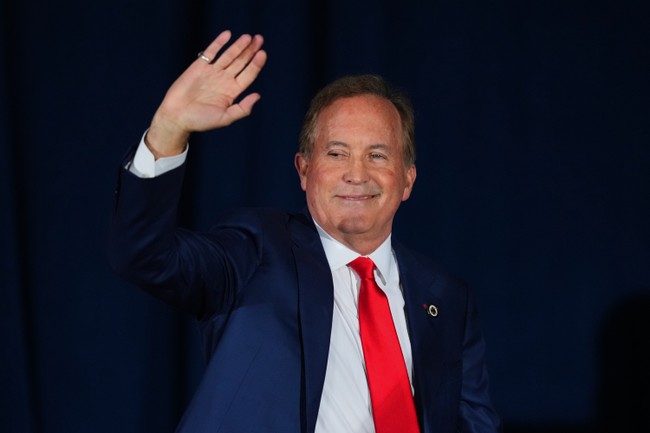
The general election is now live in Texas, and Ken Paxton has launched his campaign by zeroing in on James Talarico’s record and remarks. Paxton’s team is already framing the race as a clash between Texas values and what they call out-of-touch liberalism. The campaign is leaning into past statements from Talarico and using them to define the contest early. Expect a hard-edged, relentless messaging strategy aimed squarely at persuadable voters.
Ken Paxton’s entrance into the general election feels deliberately blunt, the kind of kickoff that signals a fighter ready for the long haul. Paxton’s camp sees a long list of past comments and positions from James Talarico that they say highlight a mismatch with Texas voters. Those items give the campaign a steady stream of material to use in ads, speeches, and debates as the race heats up. From the Republican perspective, this is smart politics: define your opponent before they define themselves.
James Talarico has tried to walk back what he calls “cringey comments,” admitting, “There are some statements that I’ve made that I certainly regret,” while pushing the claim that Paxton “is intentionally clipping” his remarks. Those lines are now part of the campaign script, and Paxton’s team is using them to argue that Talarico cannot be trusted to represent mainstream Texans. The admission of regret opens the door for relentless scrutiny rather than forgiveness in a competitive statewide contest. Paxton’s side treats the clips as fair game because they believe voters deserve to see Talarico’s past in full context.
Republican strategists like what they see: a clear contrast between an incumbent prosecutor who champions law and order and a challenger whose rhetoric can be portrayed as disconnected from everyday Texas life. Paxton’s messaging stresses hard work, common-sense values, and a traditional view of what represents the state. The campaign deliberately frames Talarico’s remarks as emblematic of coastal liberalism that clashes with Texas culture. That framing is meant to tighten the map and energize the base while testing how persuadable voters react.
There is real political potency in the clips and quotes circulated by Paxton supporters, and the campaign is treating them like ammunition rather than mere talking points. Ads and social posts highlight statements that, in the campaign’s narrative, show Talarico as ideological and out of step. Texas is a big and diverse state, but the electorate still leans toward practical solutions and cultural conservatism, which Paxton hopes to emphasize. The result is a relentless focus on identity and values rather than just policy minutiae.
Paxton’s post-primary rollout has a clear rhythm: remind voters who he is, contrast him with Talarico, and make past remarks impossible to ignore. The campaign repeats “This is Texas. This is not” while visually contrasting ordinary Texans with examples of what they call elite liberal thinking. That slogan is short, punchy, and designed to land on television and digital platforms alike. It’s also a direct signal that Paxton intends to nationalize the race as a referendum on cultural fit.
For Paxton’s team, the strategy is both offensive and defensive; they want to define Talarico as the radical candidate while reinforcing Paxton as the defender of Texas traditions. Offensive ads will underscore statements the campaign claims are extreme, while broader messaging will position Paxton as the pragmatic protector of local values. This two-pronged approach aims to lock down the GOP base and push independents to question Talarico’s judgment. The hope is that a steady drumbeat of contrasts will shape voters’ impressions before the opponent can fully reset.
How Talarico responds matters, but his earlier concessions give Paxton an opening to keep the pressure on without letting the narrative drift. When challengers admit error but then accuse opponents of “clipping” remarks, it rarely ends the debate—especially when the clips are vivid and shareable. In a state that still prizes resilience, Paxton aims to turn every apology into yet another reason for voters to doubt Talarico’s authenticity. The campaign will use every moment that reinforces that doubt.
In practical terms, expect more ads, more targeted messaging, and continued emphasis on character and cultural issues as the race moves forward. Paxton’s message is anticipatory: anticipate attacks, respond quickly, and keep the focus on what the campaign portrays as core Texas values. That approach reflects a Republican playbook adapted to statewide dynamics, where personality and perception can decide tight contests. The battle lines are drawn, and Paxton is showing he plans to stay on the attack.
https://x.com/KenPaxtonTX/status/2059660775552061754
Polls and pundits will argue about competitiveness, but the campaign’s early moves show a willingness to set the terms. Paxton’s team clearly believes its contrast strategy can translate into votes across suburban and rural areas alike. Whether it does will depend on turnout, messaging discipline, and how sticky the images of Talarico’s past statements become with voters. For now, the tone is set: this will be a wide-open, high-intensity fight shaped by character and culture.
While the election season unfolds, the narrative battle will be relentless and sharply partisan, with each side trying to force the other’s hand. Paxton’s opening gambit is to make the contest about fit and values rather than narrow policy arguments, and the campaign is prepared to keep those themes front and center. What follows will be a steady stream of communication intended to ensure that voters see a clear choice at the ballot box.
In response to this, for example:


Add comment