
Quick summary: Iran launched a surprise ballistic missile and drone barrage that U.S. forces intercepted, U.S. and Saudi jets struck IRGC-linked targets in eastern Iraq, Saudi involvement appears public for the first time, and President Donald Trump responded with blunt promises of a forceful counterstrike.
The incident began when U.S. Central Command reported multiple ballistic missiles launched by Islamic Revolutionary Guard Corps forces toward U.S. positions. Those missiles were intercepted, and U.S. forces prevented any hits on their intended targets, according to military statements. Simultaneously, a wave of about 30 IRGC-directed aerial drone attacks had targeted U.S. interests over three days, raising tensions across the region.
In a notable development, U.S. and Saudi fighter aircraft struck multiple terrorist logistics and weapons sites across eastern Iraq in direct response. This marked the first time Saudi participation in such strikes was publicly acknowledged, signaling a shift in regional engagement. Observers noted the Saudis appear fed up with repeated Iranian harassment, including Iranian support for Houthi attacks against Saudi shipping and territory.
U.S. officials characterized the strikes as coordinated actions against Iran-backed Shiite militias operating in Iraq, and they emphasized cooperation with Iraqi authorities in planning and execution. The operations targeted staging areas and supply lines used by militias directed by IRGC elements. Military commanders framed the response as both punitive and preventative, aiming to degrade the groups responsible for repeated attacks on American personnel and assets.
Now, President Donald Trump has weighed in on the action.
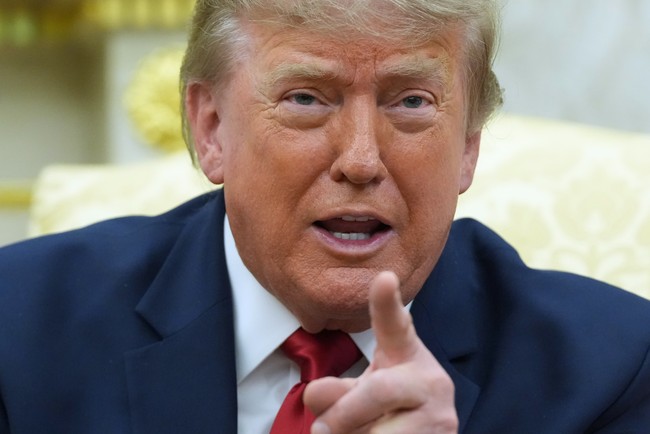
President Donald Trump vowed a forceful response after U.S. troops intercepted an Iranian ballistic missile attack in Jordan overnight.
“We’re going to beat the f—— s— out of them,” Trump told Fox News on Wednesday morning.
https://x.com/foxandfriends/status/2082441121368604811
“We’ll be hitting them hard. They’re going to get a beating.”
Trump said American forces had only minutes to respond to the surprise attack and shot down the incoming missiles before they reached their targets. He said he reviewed video showing U.S. personnel calling out coordinates in real time during the interception.
The president also labeled the Shiite militias a “cancer on the world” and said warnings against Iranian proxies were under consideration. His language was sharp and unapologetic, reflecting a hardline stance that aims to deter further aggression through clear, forceful retaliation. That tone reassures some allies and alarms others, but it leaves no doubt about the administration’s intent to apply pressure.
Military and diplomatic officials say coordination with regional partners and with Iraq was essential to the response, and they stressed the importance of combining air power with intelligence to strike decisive targets. Public acknowledgment of Saudi participation removes ambiguity about who is willing to act against Iran’s proxy networks. Those developments could reshape how regional security and deterrence are managed going forward.
Analysts point out that taking out logistics hubs and weapons caches is tactically effective because it constrains an enemy’s ability to sustain repeated attacks. Degrading the networks that enable drone and missile launches buys time for diplomatic maneuvers and possible follow-up operations. But it also risks escalation if Iran chooses to retaliate more broadly through proxies or asymmetric means.
For U.S. forces on the ground, the immediate priority is force protection and rapid targeting to prevent further incoming strikes. Video reportedly reviewed by the president showed personnel working under time pressure to identify and intercept threats, underlining the high-stakes nature of battlefield decision-making. Commanders have argued that demonstrating quick, decisive responses deters future attacks more effectively than prolonged uncertainty.
Regionally, the visible involvement of Saudi jets signals a tightening alignment among countries that see Iran’s expansion of influence as a direct threat. That alignment may lead to more unified action against proxy networks and to stronger intelligence-sharing arrangements. At the same time, it raises the prospect of broader confrontations if diplomatic channels do not open alongside military pressure.
Moving forward, U.S. options include continued targeted strikes, expanded partnerships to interdict supplies, and increased defensive postures for forward-deployed forces. Political leaders will have to weigh the costs of escalation against the imperative to protect American troops and deter future attacks. The coming days will show whether Tehran responds directly, relies on proxies, or seeks to de-escalate through back-channel talks.

Add comment