
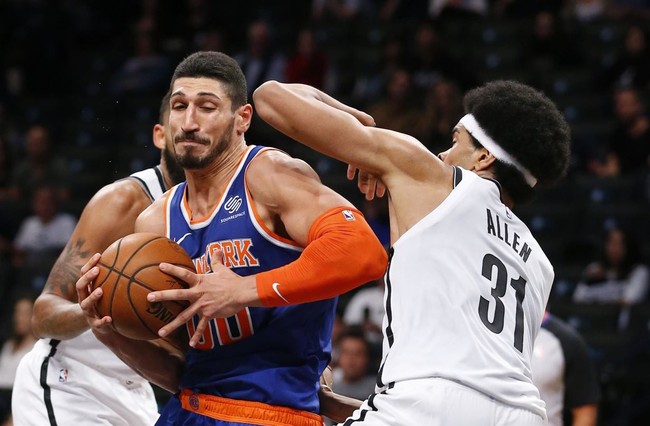
The WNBA held a high-profile meeting to tackle who qualifies as a woman in its competition and emerged with no clear answers, sparking frustration among fans and critics who say clarity and fairness are overdue in the sport.
Feckless WNBA Bosses Meet to Define ‘Woman’… and Come Up With Exactly Nothing
The league convened to discuss eligibility and left without meaningful policy changes, a result that leaves players, fans, and the public guessing about where the WNBA stands. The absence of a firm stance fuels the impression that optics and messaging are outweighing practical decisions tied to competitive fairness. That vacuum heightens anxiety for athletes who want rules that protect women’s sports rather than muddle them. It also hands critics ammunition to argue the league cares more about image than about a level playing field.
Critics point to the spectacle of meetings that produce statements heavy on virtue signaling and light on enforceable criteria. There is growing impatience from observers who expect clear, biologically grounded standards for athletic eligibility. When a major sports league dithers, the gap gets filled by speculation and headline-grabbing declarations from outsiders seeking to test the system. Those tests, whether tactical or sincere, force the league to confront the consequences of leaving rules undefined.
The controversy intensified after two former NBA players publicly announced interest in joining the WNBA, a move framed by some as a provocation to force clarity. Those announcements highlight the awkward reality: if a league is truly committed to inclusivity without boundaries, it must accept the competitive implications of that stance. Conversely, if it wants to preserve a category labeled “women,” it must articulate measurable standards that make sense in sport. That is the choice the WNBA seems determined to avoid making.
For many professional women athletes, the issue is not theoretical. Competing fairly matters for careers, contracts, and public perception of the league. Players train years to develop advantages within their category, and sudden changes or ambiguous rules can undercut that investment. Fans who come to watch a contest expect reasonable parity; fuzzy lines about eligibility undermine credibility and interest.
The league’s public response mostly attacked detractors, labeling them “haters” rather than engaging the substantive concerns being raised. That rhetorical posture deepens the divide instead of calming it, since critics perceive the response as defensive rather than constructive. Sports organizations win trust by demonstrating consistent principles and transparent processes, not by dismissing dissent. Words that alienate rather than explain make it harder to restore confidence.
Many observers note that the WNBA’s leadership includes women who likely understand the competitive stakes but appear reluctant to confront powerful narratives in the media and PR worlds. Avoidance leaves room for outside actors to shape the debate with their own agendas, which can look like chaos from the outside. A league that frames every question as a culture war topic risks losing sight of its product: basketball games people want to watch. At some point, fans and players will demand clarity that actually relates to on-court fairness.
https://x.com/ClayTravis/status/2087704323677467055
The timing of the meeting and the lack of outcomes also raise strategic questions about governance and accountability inside the organization. Boardrooms that cannot deliver clear policy risk being seen as performative, which hurts sponsorships, viewership, and long-term growth. When leadership prioritizes appearing woke over establishing durable rules, the business of sport suffers. Investors and partners ideally want predictability; ambiguity fuels withdrawal, not support.
Practical policy would involve measurable thresholds, transparent testing protocols, and appeals processes that respect medical privacy while protecting competition. Those mechanisms exist in other sports and could be adapted to basketball with expert input and stakeholder buy-in. The refusal to engage with those practicalities leaves the league open to legal challenges and public criticism. The longer a major athletics body punts on these details, the harder it becomes to rebuild consensus.
Whatever the motive for the recent declarations and provocations, they served to expose the WNBA’s avoidance strategy more clearly than any editorial could. Declaring intent to compete forced the league into the public square and highlighted the absence of enforceable rules. That spotlight will not dim until the association adopts a coherent framework that balances inclusivity claims with the integrity of female competition. Until then, expect more headlines and fewer answers, and more people asking why a professional league can’t plainly state what it stands for.
Observers will be watching whether the WNBA pivots from defensive language to decisive action, because fans and players alike deserve rules that make sense on the court. Courts, sponsors, and ticket-buyers look for clarity; ambiguity costs credibility and revenue. The league’s next moves will tell whether it is willing to choose principles that preserve women’s sports or to continue sidestepping hard choices while the debate rages on.
Add comment