
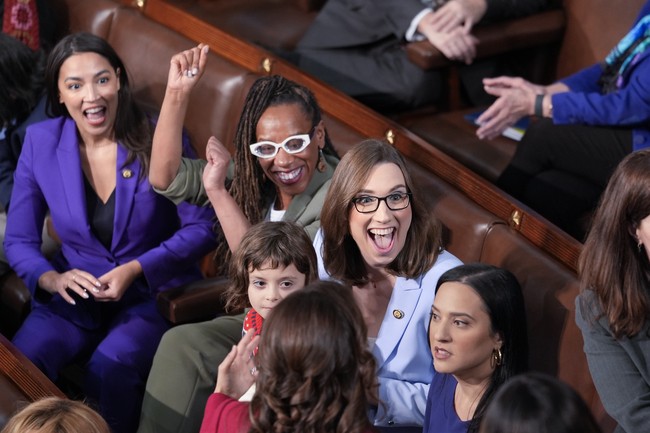
The piece examines recent overtures from prominent left-leaning figures and how conservative MAGA circles are responding, laying out the conditions some on the Right say must be met before any rapprochement. It tracks statements from Alexandria Ocasio-Cortez and Sarah McBride, reactions from media and social platforms, and a mock set of preconditions framed as a response from MAGA elders. The writing argues that the left’s shift may be tactical rather than sincere, and explores where conservatives draw the line on reconciliation. Embedded reactions and a podcast reference appear where they did in the original content.
For the first time in memory, Americans are seeing a tone of contrition from parts of the radical left after years of escalation that peaked with the 2020 unrest and what critics call an ineffectual presidency. Voices like Rep. Alexandria Ocasio-Cortez have tried to recast the narrative by asking voters to judge candidates by what they say now, not by past statements. Even sympathetic outlets warned that forgetting past excesses would be hard because opponents will keep reminding voters. The debate about whether this is strategic repositioning or genuine change is at the heart of the current political conversation.
Ocasio-Cortez’s move to soften rhetoric is being positioned by some allies as a bid to broaden appeal ahead of possible future ambitions. Critics on the right see it differently, arguing this is an attempt to reset the Overton window rather than a true retreat from radical policies. Observers note that anti-woke messaging proved powerful at uniting conservatives and shaping GOP identity during recent cycles. That reality makes any leftward olive branch far more complicated than a simple plea for civility.
Media personalities offered competing takes, with some on the left conceding the popularity of a more moderate posture for certain figures. Fox News’s token Democrat critique that AOC now appears moderate compared to DSA hardliners stirred blowback online. The broader question remains whether a rhetorical shift is enough to erase policy aims that many on the Right view as hostile to American norms. Skepticism runs deep among voters who recall years of aggressive cultural and institutional pressure.
Part of the pivot included remarks by Rep. Sarah McBride, who urged allies to stay in conversation with those who disagree and confessed, “Many of the strategies and tactics that we employed over the last five years didn’t work.” She followed with, “That includes a strategy of cutting off relationships,” and asked supporters to remain proximate to dissenting friends and family. That pitch was portrayed as a plea for dialogue, but conservatives saw a different motive. They argue the aim is to reopen ground lost during prior cultural battles rather than to accept limits.
The response from conservative social media reflects clear nonnegotiables. As one Massachusetts user summarized the boundaries, efforts to indoctrinate and transition minors, men in women’s sports and restrooms, and speech mandates over pronouns were listed as red lines. Those items represent hard cultural and legal flashpoints that many on the Right insist cannot be compromised. For those people, lifestyle tolerance is acceptable only if it does not affect children, institutions, or free speech norms.
No high-profile leftist has formally sought amnesty yet, and the idea of reconciliation is being parsed case by case by MAGA supporters. The Trump administration’s negotiating posture with foreign adversaries is used here as an analogy: one can talk, but terms and leverage matter. Re-accepting a social connection varies in risk—reconnecting with an old classmate is different from mending ties with someone who publicly denounced family members or reported neighbors over politics. Conservatives are being urged to weigh personal consequences before granting forgiveness.
Beyond the basic red lines, some conservatives propose a list of formal preconditions for political trust. The suggested terms include an unequivocal rejection of Marxist policies in practice, an end to rhetoric that glorifies or excuses political violence, and a halt to what is framed as malicious lawfare used to target political opponents. Supporters also want legislative recognition of election-integrity efforts they view as necessary after disputed contests. Finally, an admission of wrongdoing and apology for perceived harms under the so-called “Woke 1” era is demanded before full reconciliation.
The draft stance insists these conditions are not exhaustive and that other major policy disputes will still go through normal political processes. Points like DEI programs, immigration policy, criminal justice reform, and government spending are listed as matters for continued debate once basic norms are restored. The tone is deliberate: engagement can resume only if structural and rhetorical changes are real and enforceable. Without that, conservatives say, mistrust will persist.
https://x.com/i/status/2086817685409616333
Supporters of the tougher posture argue that civility is a two-way street and requires meaningful change from the left, not just softer language. Some on the Right would be willing to resume civil debate if the preconditions are met, but they emphasize accountability remains central. There is also a pragmatic note: even if some policies are resolved symbolically, voters will test sincerity at the ballot box. Ultimately, each individual must decide which grievances to hold and which to let go, guided by the risks to family, institutions, and social norms.

Add comment