
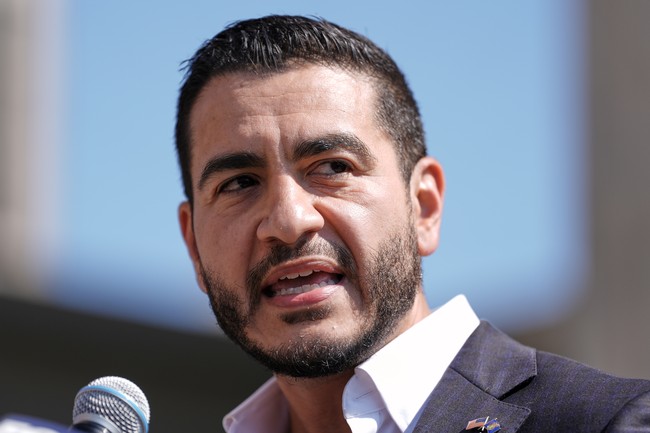
I’ll lay out why Abdul El-Sayed’s recent campaign moves feel out of step with Michigan voters, highlight his policy posture and public persona, point to the moments that have raised eyebrows, note the strange cultural stumbles, and show how those things play into the race against Mike Rogers.
Abdul El-Sayed is running as the Democratic nominee for U.S. Senate in Michigan, and his campaign keeps handing conservatives easy talking points. Voters watch both policy and temperament, and El-Sayed gives critics a steady stream of material that looks either out of touch or intentionally provocative. That combination matters in a state where swing voters want competence and common sense more than theatrical stunts.
On policy, El-Sayed has embraced positions that many Michiganders consider far left, and some Democrats have already shied away from endorsing him. He has suggested taxing people earning under a million dollars more broadly, not limiting changes to the ultrawealthy, which invites questions about who actually bears the burden. Those stances make it easier for opponents to cast his agenda as an attack on the middle class instead of targeted reforms for the wealthy few.
Beyond taxes, his associations and past statements feed into the narrative that he belongs to a different political orbit than most voters in Michigan. Reported connections to controversial online personalities and inflammatory social media exchanges keep resurfacing. Whether or not those relationships define his record, they certainly shape how voters perceive his judgment and priorities.
El-Sayed’s public persona has tripped into the bizarre at times, and his recent social media posts are a case in point. He created a campaign video that riffs on a children’s show, and it spread quickly on X because people found it awkward rather than energizing. The post has been described by critics as a “cringe-a-rama,” and many observers say it undercuts the seriousness expected from a U.S. Senate candidate.
https://x.com/ClayTravis/status/2087573635766661428
On cultural touchpoints important to Michigan, he has made comments that rubbed people the wrong way. He criticized aspects of football culture using the phrase “toxic masculinity,” which landed poorly with many fans and community leaders who see football as a unifying tradition. Then he followed up with a public challenge that seemed designed to generate headlines rather than thoughtful debate, leaving voters wondering whether he’s serious about policy or just chasing attention.
There are also local missteps that make him seem disconnected from state pride and tradition. Remarks about beloved Michigan destinations and long-held regional customs sounded dismissive to residents who care deeply about those places. You don’t win swing voters by alienating them with cultural shorthand that comes across as contempt rather than critique.
Contrast that with Mike Rogers, who presents himself as a straightforward, traditional conservative focused on safety, fiscal discipline, and established values. Rogers’ messaging centers on practical concerns like jobs, the economy, and public safety, and when voters compare the two, El-Sayed’s theatrical moments make Rogers’ steady approach look more presidential. This is a race where tone and temperament matter as much as policy specifics.
What keeps fueling the criticism is not just individual gaffes but a pattern: a tidy mix of radical policy hints, odd alliances, and a flair for performative media stunts. Voters who want predictable representation are increasingly skeptical when a candidate blends political ideology with social media theatrics. That skepticism shows up in polls and in the way opponents are framing the contest.
Campaigns are ultimately about trust and competence. El-Sayed’s frequent detours into pop-culture parody and provocative labeling make it easier for critics to question his readiness for office. When the choice comes down to who can bring results to Michigan, voters tend to prefer someone who looks and sounds prepared to govern rather than someone who treats the campaign like a streaming variety show.
The unfolding narrative will depend on whether El-Sayed pivots back to substantive messaging or doubles down on the spectacle. If he leans into policy details and steady leadership, he might blunt the attacks. If he keeps prioritizing viral moments and cultural taking points, the race will likely be defined by his missteps rather than his proposals.
Nick Arama is a contributor at RedState.
For now, the primary takeaway for observers and undecided voters is straightforward: a candidate’s style matters as much as their agenda. Michigan voters weigh both, and right now El-Sayed’s mix of policy positions and public antics gives opponents plenty of material to use through Election Day.

Add comment