
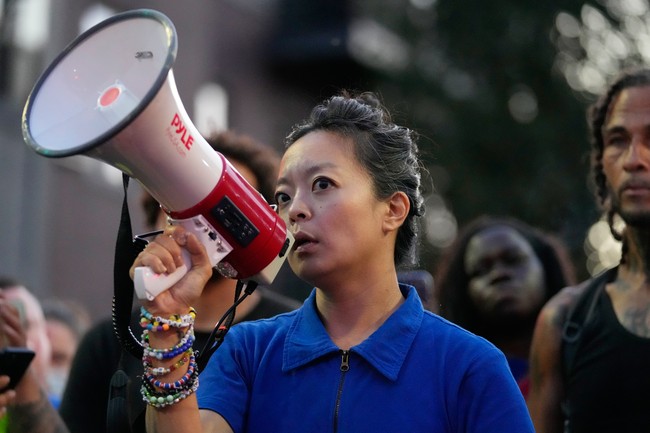
The Wisconsin Democratic primary for governor produced a razor-thin result that tells us more about campaign dynamics and voter geography than it does about the death of left-wing politics; this piece examines the close margin, candidate presentation, elite endorsements, and messaging missteps that shaped Francesca Hong’s loss and what it could mean for midwestern politics moving forward.
The raw numbers matter. David Crowley finished with 39.8 percent to Francesca Hong’s 39.3 percent, a gap of fewer than 4,000 votes statewide. That narrow margin shows the race was competitive and came down to a handful of precincts rather than a sweeping repudiation of any ideology.
Local geography was decisive. Crowley’s role as Milwaukee County Executive likely helped him carry Milwaukee County, a pivotal urban center that can swing a statewide result in Wisconsin. If Hong’s strength in Dane County had mirrored in Milwaukee, the outcome would have tipped the other way, highlighting how concentrated support can fail to translate into statewide victory.
The DSA’s strength remains largely urban. Most DSA chapters and their activism are rooted in cities and dense metro areas, and their wins have tended to cluster in those environments. Hong’s near-miss underlines that translating urban organizing into broader, midwestern appeal is still an obstacle for socialist-aligned candidates.
Candidate charisma and energy still matter. On the campaign trail Hong’s style came across as low-energy compared with other DSA-aligned figures who dominate social media and command strong stage presence. Voters notice delivery as much as policy, and a monotone or flat stump performance can blunt enthusiasm even among sympathetic constituencies.
Contrast matters when personalities compete. Figures like Zohran Mamdani and Abdul El-Sayed pair distinct speaking styles with strong social media followings, turning charisma into momentum. Hong’s more subdued public persona exposed how a candidate who lacks viral appeal can struggle to convert ideological support into votes.
Endorsements and elite signals sent a quiet message. Two of the most visible democratic socialists, Sen. Bernie Sanders and Rep. Alexandria Ocasio-Cortez, did not endorse Hong, and their absence was noticeable to activists and donors. When national figures who usually promote DSA-aligned candidates sit out a race, it raises questions about internal confidence and strategic calculations.
Speculation about internal polling or strategic restraint is reasonable here. Political actors often withhold endorsements when private data or local dynamics suggest a candidate faces headwinds. Regardless of motive, the lack of high-profile backing undermined the narrative that Hong was a unified movement pick, and that can depress turnout among casual supporters.
Past remarks can shape future outcomes. Hong’s reported 2019 comment about experiencing anxiety at a Culver’s over the number of “old, white people” in the room resurfaced in the campaign and fed a narrative that she had alienated swaths of the electorate. In a state where 84.7 percent of residents are white, such remarks, whether flippant or earnest, can become focal points in close contests.
Political messaging must account for demography and tone. Repeated or easily highlighted comments that appear dismissive of broad voter groups create openings for opponents to define the race on cultural grounds. That dynamic makes it harder for candidates to build the cross-sectional coalitions needed in swing states.
The broader implication is cautionary for those watching socialist-leaning movements expand beyond coastal cores. Hong’s near-win shows the movement can be competitive in a swing state but also reveals vulnerability when it depends on concentrated urban strength and polarized messaging. The result is an important data point, not a conclusive trend.
Looking ahead to contests like Michigan’s Senate race, the lessons are similar: geographic reach, personal appeal, elite signaling, and careful public remarks combine to determine outcomes. A strong social media footprint and passionate base matter, but they do not guarantee statewide success when margins are this tight.
If DSA-aligned candidates want to win across the Midwest, they will need to broaden their appeal beyond city limits, refine how they communicate on cultural flashpoints, and ensure visible, strategic support from national allies. Elections decided by thousands of votes leave little margin for missteps or overconfidence.
The Wisconsin primary was a close call that showcased both the rising influence of left-leaning organizing and the limits of that influence in midwestern battlegrounds. Observers should treat the result as an instructive near-miss rather than an outright repudiation of any political current, and parties on both sides will use these takeaways to shape strategies for the next cycle.

Add comment