
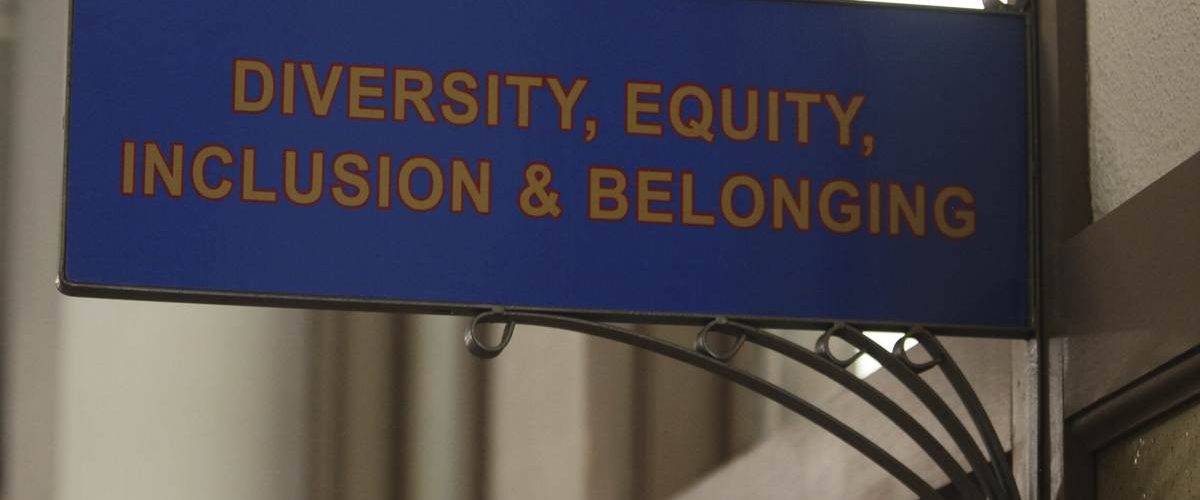
The watchdog report from Consumers’ Research says DEI never went away — it went quiet and corporate America is still running programs that push political agendas into the marketplace. This piece examines how major brands are keeping DEI structures in place, why conservatives should care, and what the implications are for consumers and voters going forward. It highlights specific companies named in the report and explains the political angle driving ongoing corporate activism. The goal here is simple: lay out the facts plainly and point out why this matters to conservative consumers.
The recent political shifts gave many Americans hope that corporate wokeism would fade, but evidence suggests it simply adapted. Corporations scaled back some public displays while keeping the infrastructure alive behind the scenes. That means DEI roles, training, and recruitment programs continued even as leadership tried to claim the controversy was over. The result is a quieter, more entrenched system that still influences hiring, branding, and customer messaging.
Consumers’ Research released a report that names several recognizable brands and argues they continue to embrace DEI efforts. The report states that: “7Eleven, Carhartt, DraftKings, Duluth Trading Co, Traeger, Bank of America, BlackRock, and Nike are evidence Woke is still alive and well in corporate America.” That list reads like a who’s who of national retailers and financial firms, and the watchdog group’s point is that these efforts aren’t isolated experiments — they’re systematic. For conservative shoppers and investors, this creates a clear list of companies to scrutinize.
https://x.com/WildmanDawn/status/2094392466694660128
Evidence from company materials shows some firms have kept DEI language and programs front and center, even if public statements suggest otherwise. Job titles get retooled, training programs are rebranded, and internal teams keep operating under new banners. For example, roles promoting inclusion and impact are presented as human resources or community work, but their core function can still be DEI. That stealth approach makes it harder for the public to track how corporate culture remains aligned with progressive priorities.
The political dimension matters because DEI is political by design when it steers corporate policy toward particular social goals. Progressive politicians have, at times, tried to distance themselves from earlier, flashier phases of woke politics, but the corporate relationships and funding streams created during that era persist. That persistence ensures companies remain receptive to the same agenda if political winds change. Conservatives should understand that corporate behavior often reflects long-term investments, not short-term PR moves.
Concrete examples make the point. Some workwear and retail brands that serve blue-collar customers still maintain DEI programs that are visible in corporate governance documents and recruitment language. Other firms have shifted labels but kept the substance, renaming DEI to things like inclusion, equity, and belonging while continuing the same practices. That’s not just semantics — it’s a strategic choice to avoid backlash while preserving internal priorities.
“Woke companies want you to believe they’ve moved on, but don’t be fooled. For years, major corporations pushed political agendas on American consumers that had nothing to do with serving their customers…”
That quote from Consumers’ Research sums up the watchdog’s core charge: don’t take corporate messaging at face value. Companies can communicate one thing externally and operate another way internally, and that gap is where watchdogs and voters can hold them accountable. For conservative consumers, transparency matters because spending choices signal political preferences just as much as ballots do. Awareness lets people align purchases with their values.
There’s also an electoral angle. If Democrats regroup and push for another wave of policies, corporations that preserved DEI structures will be ready to partner again. The report warns of a potential “Woke 2.0” that could be larger and more organized if political power shifts. Conservatives should note that corporate readiness amplifies the influence of progressive initiatives when they resurface, making vigilance important now, not just during campaign season.
Ultimately, this is about power and influence inside companies that most Americans rely on for goods and services. When major firms prioritize ideological programs over pure customer service or performance, it shifts the relationship between business and society. That’s why conservative consumers, investors, and officials have a stake in monitoring corporate behavior and demanding clarity about what programs are doing and why.
The watchdog report offers a practical benefit for conservatives: a starting point to identify firms that maintain DEI policies and to evaluate whether they align with personal and political values. Knowing which companies keep these programs in place lets consumers make informed choices without needing to guess at corporate motives. This kind of accountability is exactly the kind of oversight that keeps the marketplace responsive to customers rather than to activist agendas.
There are many more companies mentioned in the full report, some obvious and some more subtle, but the pattern is the same: structures that promote inclusion and equity remain active in corporate settings. Whether through training, hiring, or executive titles, the machinery is still present and ready to operate if political conditions change. That reality matters for anyone who wants businesses to focus on serving customers first, not advancing social programs through commercial power.
Conservative voters should treat corporate DEI transparency as a continuing issue, not a resolved one. Watching corporate filings, leadership titles, and internal program descriptions provides a clearer picture than press releases ever will. Staying informed helps ensure that consumer choices reflect conservative priorities and that companies face healthy scrutiny for the roles they choose to play in public life.


Add comment