
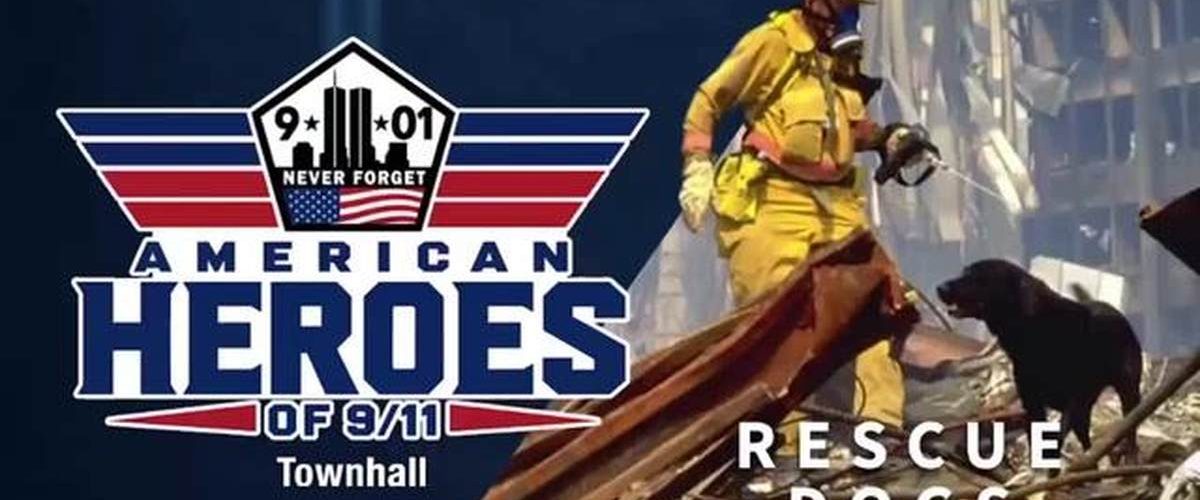
This piece remembers the search-and-rescue dogs at Ground Zero after 9/11, describing their work in the rubble, the scale of canine involvement, the heartbreaking reality that no survivors were found, and why these animals deserve recognition as true American heroes.
Nobody talks about the dogs who served their country after 9/11. They were not ornamental mascots or photo props; they were trained professionals with one job: find living people in chaos. In the concrete and steel of the World Trade Center ruins, these dogs worked without complaint, guided by handlers who trusted their partners with lives and hopes.
An estimated 300 dogs were involved in the effort, moving through smoke, dust, and unstable wreckage. These animals came from search-and-rescue teams, law enforcement units, and volunteer groups, each bringing a set of skills honed by hours of training. They ran into voids and climbed over slabs where humans could not safely go, using noses sharpened by purpose to chase the faintest scent of life.
Hundreds of workers and volunteers poured into Lower Manhattan with one shared mission: find survivors. Yet, despite the dogs’ tireless efforts, the reality was grim and clear—300 dogs searched the rubble for survivors and found none. That stark fact didn’t lessen the dogs’ importance; their presence still offered structure and focus in an atmosphere of chaos and grief.
Handlers formed close bonds with their dogs, treating them as partners rather than tools. They trained together, rested together when they could, and in the worst moments, they leaned on each other for strength. Rescue workers started hiding in the debris so a dog could find someone, using the animals’ instinct to give people one more chance, even if the outcome was already known.
The dogs’ role extended beyond searching for the living. They helped locate human remains so families could have answers and dignified burials. That work is often overlooked because it’s painful to acknowledge, but locating remains is a critical part of disaster response and closure for grieving relatives. In that grim duty, the dogs performed with the same focus and calm they showed in search operations.
These animals endured conditions no pet should ever face: heat, collapsing structures, sharp debris, and clouds of toxic dust. Many were not given time to recover before being redeployed, and some suffered long-term health consequences that echoed the human cost of the attack. Their sacrifices are part of a broader story of service that too often fades as headlines move on.
The dogs’ contributions also shaped how we think about disaster response. Their success in detecting scents in chaotic environments reinforced the value of canine teams and influenced protocols in future incidents. Agencies learned to integrate dogs more effectively into search operations, and training programs adapted to mirror the demanding conditions the animals confronted at Ground Zero.
Recognition has been slow and incomplete, but there have been efforts to honor these animals. Memorials and plaques appear in some places, and veteran handlers have worked to document the dogs’ stories. Still, the majority of the public remains unaware of the scale and significance of canine service on that day and in the days that followed.
Remembering the dogs does not change the facts of that September, but it does expand our understanding of who served. These animals were part of a collective response that included firefighters, police, construction crews, medical teams, and volunteers. Calling the dogs American heroes acknowledges the courage and professionalism they showed in a mission defined by loss and bravery.
In remembering them, we also confront a promise: to care for animals that serve alongside people in dangerous work. That means proper medical follow-up, recognition of long-term health impacts, and public awareness of the role these dogs play. Honoring them isn’t just sentiment; it is a practical obligation to those who gave so much in a nation’s hour of need.


Add comment