
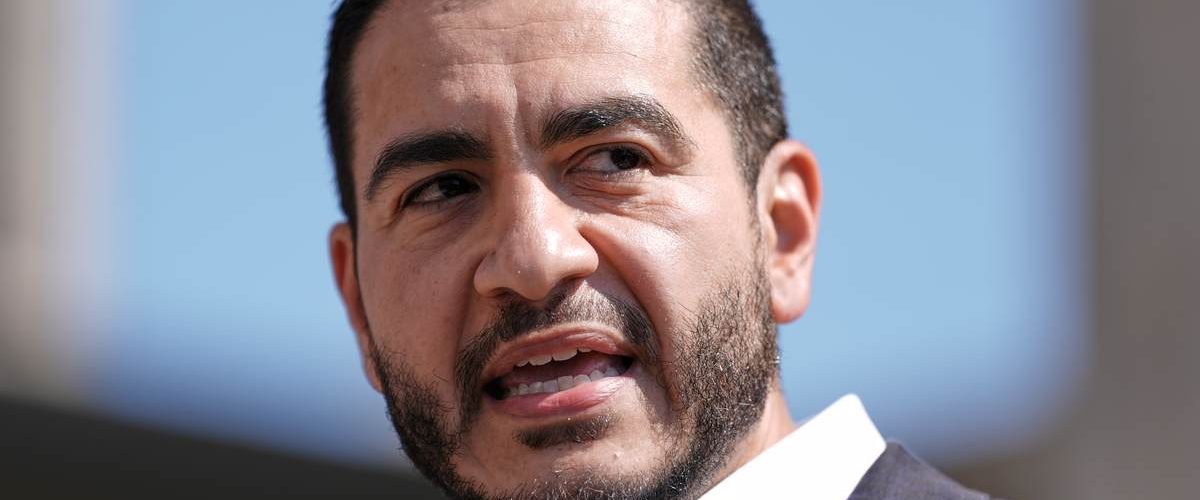
I’ll cut to the chase: this piece looks at Abdul El-Sayed’s odd comment tying sex to capitalism, explains his background, examines the podcast quote that sparked the reaction, and pushes back from a conservative angle on blaming capitalism for private choices.
Abdul El-Sayed, the Michigan Democrat Senate nominee, has a history of eyebrow-raising remarks, and this one about sex ranks near the top. He holds a medical degree and has worked as a health director and academic, yet much of the public attention lately comes from his media appearances and his podcast, America Dissected with Dr. Abdul El-Sayed. His comments on that show in 2021 quickly drew headlines and lots of pushback.
On a podcast episode titled “Talkin’ Nerdy About Gettin’ Dirty,” he hosted a sex educator and made the claim that “capitalism was stealing sex.” Saying capitalism has become the “thief of sex” is a striking rhetorical move and one that invites closer scrutiny. It also prompted conservatives to question whether this is a serious policy claim or just another leftist talking point aimed at shifting responsibility away from individual choices.
Part of his argument was that modern life — work demands, parenting and busy schedules — reduces intimacy, and he labeled having children a “libido killer.” That observation about time and energy is relatable, but the leap from personal time pressures to pinning blame on an entire economic system is where critics push back. Conservatives see this as a familiar narrative: when outcomes disappoint, blame the system instead of examining personal responsibility.
“Subordinating that most natural human act to the tyranny of our ever-so-busy lives, it’s just one way capitalism steals our sex from us,” he said. He also argued that pornography keeps people from “embracing the sex we actually have.”
“It’s a productized version of the thing, not the real thing you have with a real partner built on a real relationship, warts and all,” he said, adding that “capitalism has become the thief of sex.”
https://x.com/townhallcom/status/2094502757205938346
Hearing that quote, conservatives are right to ask what precisely he means by capitalism in this context. Is he describing market-driven time pressures, commercialized sexual content, or something more abstract? Vague condemnations of “capitalism” often function as a catchall for cultural grievances, and this sounds like the same pattern: label a broad system the villain instead of dealing with concrete causes.
The simpler, more practical explanation is that people’s decisions about priorities, work-life balance and family structure affect intimacy far more than abstract economic theory. If someone is overworked, managing children, or prioritizing other activities, those choices and circumstances shape their private life. Conservatives argue that liberty and market growth have expanded options and that people should be held accountable for choices rather than told the market stole something from them.
El-Sayed’s rhetoric also included a critique of pornography as a “productized version” of sex that prevents people from embracing real relationships. That point carries some intuitive truth: when expectations are shaped by commodified media, real relationships can suffer. Yet even that observation does not require blaming capitalism as a whole; it calls for cultural responsibility, parenting, and personal restraint—areas where conservative voices often emphasize individual accountability.
This episode fits into a larger pattern of left-leaning public figures pointing to external systems as scapegoats when people face inconvenient tradeoffs. From student loans to lifestyle choices, the reflex to demand systemic blame rather than endorse personal responsibility is common. For voters concerned about practical stewardship of freedom and prosperity, the relevant question is which approach actually empowers people to make better choices.
Conservatives can support policies that strengthen families, encourage flexible work arrangements, and promote cultural institutions that foster real relationships without turning everyday frustrations into an indictment of markets. Blaming capitalism for the ebb and flow of private life avoids the harder work of promoting values and structures that sustain family life. If politicians want to resonate, they should offer tangible solutions and respect individual responsibility rather than hand out ideological label-shifts.



Add comment