
Checklist: emphasize Trump’s warning and firm stance; report reported Hamas violations and tunnel activity; highlight discoveries of weapons concealed in aid; argue disarmament must be forced; preserve original quoted material verbatim.
The Trump administration has been blunt and unapologetic in its dealings with Hamas, and that bluntness reflects a clear Republican belief: strength gets results. Reporting from recent days shows Hamas continuing hostile activity despite cease-fire terms that demand disarmament. Israeli forces, charged with enforcing the agreement, keep finding evidence that suggests the terror group has no intention of putting down its weapons. That reality makes the administration’s tough talk predictable and, to many, necessary.
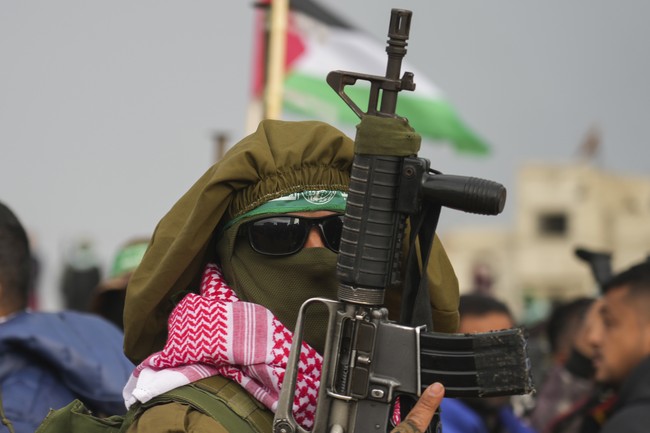
Hamas is working to replenish its military arsenal even as the second phase of President Donald Trump’s peace plan requires the terror group to disarm, according to photos released by the Israel Defense Forces and statements from Hamas leaders. Hamas has conducted an increasing number of attacks against Israeli soldiers in recent days, while the IDF has discovered explosives hidden in United Nations provisions close to the ceasefire line where Israeli forces are operating.
The pattern is straightforward: low-level attacks, tunnel systems kept intact, and weapons stashed where civilians or aid operate. Reports of armed fighters emerging from tunnels to attack soldiers, and of explosives found hidden near aid distributions, are not isolated incidents. For those who wanted to believe cease-fires could be sealed by paper alone, these findings should be sobering. Real change requires disarmament, and real disarmament demands enforcement.
The most recent “blatant violation of the ceasefire agreement” took place on Monday, when “four armed terrorists exited an underground tunnel shaft and fired towards IDF soldiers” operating in Gaza’s Rafah neighborhood, according to a statement from the IDF, which said it eliminated all four militants. A similar incident occurred on Sunday, when Hamas attacked IDF soldiers near the yellow ceasefire line. There has been one such attack each day since Feb. 5, with numerous others dating back to the earliest days of the ceasefire. The intricate tunnel system beneath the streets of Gaza has remained operational as well, according to the IDF.
That tunnel network has always been a strategic advantage for Hamas, allowing them to hide materiel and strike unpredictably. Finding mortar shells, rockets, and other ordnance concealed among clothing or aid supplies is proof of deliberate concealment. When armed groups treat humanitarian supplies as storage for weapons, they endanger civilians and violate every reasonable rule of conflict. This behavior makes the notion of trusting Hamas to disarm voluntarily impractical.
Last week, meanwhile, Israeli forces discovered “110 mortar shells hidden in [U.N. Relief and Works Agency] humanitarian aid bags” as well as “several rockets and additional weapons” hidden inside blankets. Hamas stored the weapons near locations where Israeli troops have been dismantling terror infrastructure, suggesting the group had planned an ambush.
An ambush is an act of war, and improvised explosive devices are the same. U.S. policy under strong leadership treats these actions as unacceptable and addresses them directly. The Trump administration’s position reflects a simple principle: you either comply with disarmament or face decisive measures. That clarity is what allies respect, and what adversaries should fear.
President Trump’s warning — that Hamas can disarm “the easy way or the hard way” — is not rhetorical fluff. It signals a readiness to back diplomatic demands with consequences if needed. For Republicans who favor a firm foreign policy, leaving such clear options on the table is both strategic and moral: it protects civilians and deters future violence. Softness toward groups that exploit cease-fires would only invite more violations and more bloodshed.
There is no magic solution beyond removing Hamas as a military and political force in Gaza if the goal is a lasting halt to hostilities. Organizations that systematically conceal weapons and preserve strike capabilities cannot be allowed to coexist with a stable peace. The message from Washington and Jerusalem should be unambiguous: disarm or be dislodged, because continued deception and attacks will not be tolerated.



Add comment