
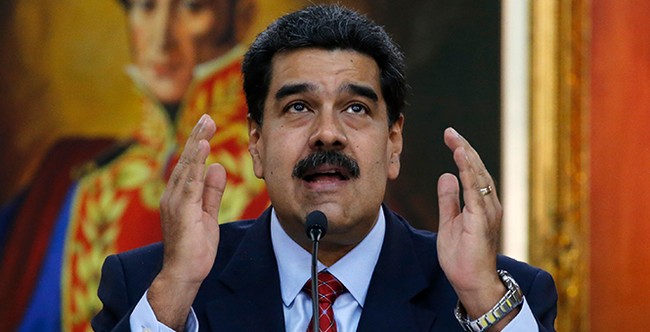
President Trump suggested talks with Venezuela’s Nicolás Maduro could be “coming,” signaling a possible diplomatic shift after months of aggressive pressure on Venezuelan cartels and gangs. The move follows stepped-up U.S. actions in the Caribbean, designations of criminal groups as terrorist organizations, and public confrontations with Maduro. This article lays out what prompted the hint of talks, what Trump actually said, and how this could fit into a Republican approach to national security and regional stability. Expect clear-eyed pressure paired with pragmatic engagement if these discussions move forward.
Relations between Washington and Caracas have been icy for a long time, with the U.S. cracking down on drug trafficking and targeting Venezuelan criminal networks. The administration increased military presence in the Caribbean and used legal designations to squeeze violent groups tied to the regime. Republicans have pushed for sustained pressure to protect American communities from narcotics and to hold hostile actors accountable abroad.
The State Department’s decision to label Venezuela’s Tren de Aragua prison gang as a Foreign Terrorist Organization this year reflects that approach. Designating cartels and transnational gangs gives the United States extra tools to go after finances, leadership, and logistical networks. From a conservative standpoint, using the law to disrupt criminal enterprises is common-sense national security policy that also sends a deterrent signal to regimes that shelter or enable them.
Back in October, President Trump didn’t soften his tone in public. He told reporters bluntly: “He has offered everything. He’s offered everything. You’re right. You know why?” Trump replied. “Because he doesn’t want to f*** around with the United States.” That remark made clear the pressure campaign was meant to compel concessions and change behavior, not reward bad actors.
Despite the tough rhetoric, the president’s comments this past Sunday opened the door to potential conversations. Speaking from an airport in Palm Beach, Trump hinted there may be talks ahead as he prepared to return to the White House. The suggestion is notable because Republicans who favor strength often also recognize when diplomacy can extract results from an embattled opponent under pressure.
When asked whether there were new developments on Venezuela, Trump at first said, “No, no update on Venezuela.” A follow-up question raised the prospect of another cartel being labeled an FTO and whether that step would let the U.S. target Maduro’s assets or infrastructure directly. The administration has been maneuvering to increase leverage before any conversation takes place.
The president’s next quoted line was plain and consequential: “It allows us to do that, but we haven’t said we’re going to do that. And we may be discussing — we may be having some discussions with Maduro. And we’ll see how that turns out. But they would like to talk.” That phrasing makes clear the U.S. retains options and that any discussion would be held from a position of strength.
For Republicans, the key test is whether negotiations come with enforcement and verifiable outcomes. Talks that leave American security interests or regional stability at risk will not satisfy a conservative playbook that prioritizes strong borders, counter-narcotics efforts, and protecting allies. Any engagement should be conditional on measurable steps that reduce threats and punish criminal actors.
Pressure can be an effective lever to bring adversaries to the table, and strategic diplomacy after a period of leverage is a familiar tactic. If Maduro’s government is feeling the squeeze from designations, seizures, and military posture in the region, offering talks can be a way to bargain for concrete concessions that benefit U.S. security and regional order. Skeptics will rightly demand transparency and accountability.
How those discussions would look remains unclear, and details will matter. Republicans will watch for whether the administration uses negotiations to disrupt narcotics flows, secure the release of Americans or political prisoners, or curb malign influence by hostile actors. The ability to pivot between pressure and pragmatic negotiation is an asset if it yields real results.
Meanwhile, the public and policymakers should expect close scrutiny of any outreach to Maduro. Tough language and legal tools remain on the table, and the suggestion of talks does not mean pressure ends. Instead, it signals an attempt to convert leverage into tangible outcomes while keeping American security interests front and center.


Add comment