
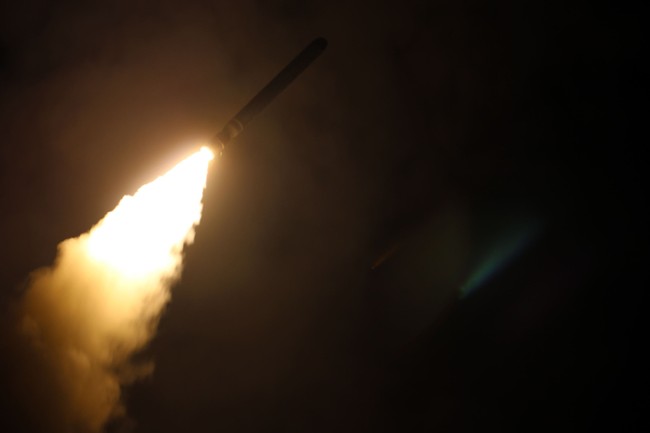
This article explains why President Trump declined to approve the transfer of long-range Tomahawk cruise missiles to Ukraine, how the Pentagon assessed stockpile impact, and what the decision means for escalation risks, NATO coordination, and the strategic balance between tactical and strategic weaponry.
The Tomahawk is a long‑range cruise missile that still packs a heavy punch despite its Cold War roots. It carries a roughly 1,000‑pound warhead and can reach targets more than a thousand miles away, giving any holder a true strategic strike option. For Kyiv, that capability would be a game changer because it would allow strikes deep inside Russian territory.
The Pentagon completed an assessment and concluded the transfer of Tomahawks to NATO allies for onward transfer to Ukraine would not dangerously deplete U.S. stockpiles. That cleared the internal military hurdle and left the ultimate decision to the president. From a Republican perspective, that chain of review matters: the armed services assess risk, and the commander in chief weighs national security and escalation consequences.
The Pentagon gave the White House the green light on Saturday after an assessment found that transferring the missiles would not impact US stockpiles, US and European officials told CNN.
Trump had previously said he would be hesitant to give “away things that we need to protect our country,” but the Pentagon’s assessment appears to clear away that hurdle for Ukraine.
Ukrainian President Volodymyr Zelensky has pleaded with Trump to provide Kyiv with Tomahawk missiles, which could really hit Vladimir Putin where it hurts.
Despite the Pentagon’s technical thumbs up, President Trump signaled restraint. Speaking aboard Air Force One, he said he was not inclined to approve a deal right now that would route Tomahawks through NATO to Ukraine. That reflects a conservative view of escalation risks: if Ukraine were equipped to strike deep into Russia, Moscow would almost certainly respond in kind.
Trump has been cool to a plan for the United States to sell Tomahawks to NATO nations that would transfer them to Ukraine, saying he does not want to escalate the war.
His latest comments to reporters aboard Air Force One indicate that he remains reluctant.
“No, not really,” Trump told reporters as he flew to Washington from Palm Beach, Florida, when asked whether he was considering a deal to sell the missiles. He added, however, that he could change his mind.
Trump and NATO Secretary General Mark Rutte discussed the Tomahawk idea when they met at the White House on October 22. Rutte said on Friday that the issue was under review and that it was up to the United States to decide.
From a Republican viewpoint, this is pragmatic caution, not weakness. Supplying strategic systems that enable strikes on an adversary’s homeland crosses a different threshold than sending tactical and defensive gear. The U.S. has already sent artillery, anti‑armor missiles, air‑defense batteries, tanks, and munitions that help Ukraine defend its territory without necessarily provoking a wider escalation.
Giving Kyiv Tomahawks would shift the nature of American involvement because these missiles bring strategic reach, not just battlefield support. That capability could allow Ukraine to target military infrastructure deep inside Russia, and possibly areas near the capital, which raises the stakes immensely. Any decision like this requires sober judgment about how Moscow is likely to react and how that reaction would affect U.S. interests.
There are compelling arguments on both sides. Supporters argue that denying Russia safe havens and degrading its ability to project power matters, and that Ukraine should receive the tools to hit high‑value military targets. Skeptics worry about rapid escalation, blowback against Ukrainian cities, and the precedent of supplying weapons that can strike another nuclear‑armed state’s heartland.
For now, the president has chosen to prioritize stability and avoid steps that could sharply raise the risk of broader conflict. That posture aligns with a conservative approach to foreign policy: defend core American interests, back allies with effective defensive aid, and avoid actions that invite uncontrolled escalation. It also underscores that major arms transfers require presidential buy‑in when strategic thresholds are involved.
Editor’s Note: The Schumer Shutdown is here. Rather than put the American people first, Chuck Schumer and the radical Democrats forced a government shutdown for healthcare for illegals. They own this.
Tags: MILITARY, NATO, RUSSIA, UKRAINE, USA



Add comment