
This article covers the debate over courtroom cameras in the trial of the man accused in the assassination of Charlie Kirk, the widow’s plea for transparency, the defense’s request to ban cameras, and the emotional and legal arguments both sides are making as the case moves toward January 2026.
The killing of Charlie Kirk shocked his supporters and the broader public, and it left his widow, Erika Kirk, demanding openness in the legal process. The suspect, identified as a 22-year-old, has raised objections through his lawyers to allow the trial to proceed without cameras present. Those legal moves are being framed as attempts to secure a fair trial, while victims’ families see them as further shielding of a moment the public already witnessed.
Courtroom officials have already made some accommodations: the defendant was allowed to wear civilian clothes while still appearing in restraints for certain proceedings. That decision highlights the tightrope judges walk between protecting defendants’ rights and maintaining transparency for the public. Questions about what counts as fairness and what counts as secrecy now sit at the center of courtroom disputes that usually stay behind closed doors.
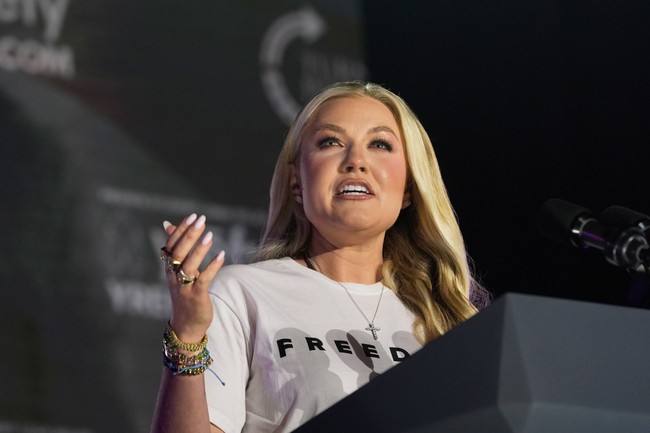
Erika Kirk has taken a public stance and expressed strong views in an interview preview with a national broadcaster, arguing that the same intrusion that followed her family should not be mirrored by a courtroom blackout. She emphasizes that cameras were present at the most brutal moment of their lives and that the public saw the aftermath unfold. Her remarks were direct, emotional, and aimed at reminding people that the event has already been widely observed.
“There were cameras all over my husband when he was murdered,” she told Fox News’ Jesse Watters in an exclusive interview. “There have been cameras all over my friends and family mourning. There have been cameras all over me, analyzing my every move, analyzing my every smile, my every tear. We deserve to have cameras in there.”
She made a case for transparency as a countermeasure against minimizing or sanitizing what happened, calling on the system to let the public witness the truth. Erika Kirk asked pointedly why a courtroom should hide what has already been captured in public and media spaces. Her argument is that exposure helps people confront the reality of the crime and its consequences.
Watch:
Erika Kirk continued to press the point that openness is the right default when a public figure and a public tragedy are involved. “Why not be transparent?” Kirk continued. “There’s nothing to hide. I know there’s not because I’ve seen what the case is built on.” She also warned of broader cultural effects, saying, “Let everyone see what true evil is,” Erika Kirk added. “This is something that could impact generations to come.”
“Why not be transparent?” Kirk continued. “There’s nothing to hide. I know there’s not because I’ve seen what the case is built on.”
“Let everyone see what true evil is,” Erika Kirk added. “This is something that could impact generations to come.”
Supporters of the widow argue that seeing the proceedings will prevent misrepresentation and keep the narrative honest. They believe public visibility acts as a safeguard against revisionist storytelling and undue influence that can come from private, closed-door decisions. For grieving families and a invested public, that kind of accountability matters deeply.
On the other side, defense attorneys and some legal experts point to legitimate concerns about prejudicing jurors or creating a media circus that could taint testimony and the jury pool. Cameras can amplify certain aspects of a case and make it harder to select impartial jurors, and courts have to weigh those risks against the public interest in transparency. Judges often balance those competing needs with careful, case-specific rules rather than blanket policies.
The next scheduled court date on the matter is in mid-January 2026, though rulings on camera access could come earlier. Meanwhile, the clash between privacy, fair-trial rights, and public scrutiny is likely to remain a tense feature of this case. Whatever rulings come, they will be watched closely by those who want openness and by those who fear media-driven prejudice.
Public debate around camera access in high-profile trials is nothing new, but this case has intensified those debates because of the public nature of the killing and the strong feelings of the victim’s family. Emotions run high on both sides, and the court will have to make decisions that try to respect legal protections while acknowledging the public stake in transparency. The court’s choices will set precedents for how similar cases are handled in the future.


Add comment