
The piece examines Hillary Clinton’s recent public attack on the Trump White House, the reaction it provoked online, and how critics contrasted her comments with the Clintons’ own past White House controversies while noting ongoing repairs and renovations under the current administration.
Jill Biden’s recent comments about Hunter’s pardon set the stage for renewed partisan heat, with critics accusing her of blaming former President Trump for decisions made by the Biden family. Many found her claim that the Bidens feared Trump targeting Hunter unbelievable, given the years of legal pressure the former president faced. That controversy reopened debates about judgment and public accountability across party lines.
Jill also sparked backlash by describing Joe Biden’s debate performance in stark terms, suggesting it looked like a medical emergency. Observers questioned how she could have supported a second run after such a public moment of confusion. That line of argument fed into broader frustrations among conservative commentators about leadership and fitness for office.
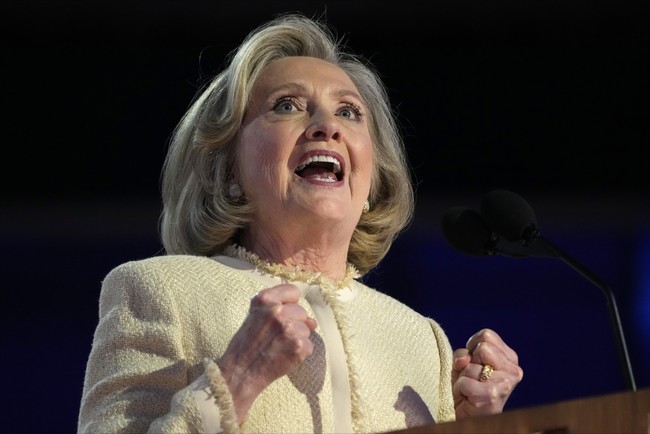
Into that fray stepped Hillary Clinton, who on Friday returned to social media with a sharp critique aimed at recent changes to the White House. The post was blunt and condensed into a single memorable line: “This is what Trump’s done to the people’s house: A third of it is rubble. Another third is a cage match. What a metaphor.”
Her phrasing struck many as tone-deaf, especially among those who see renovations and maintenance as part of any active administration’s duty. Critics argued that calling improvements or events “a cage match” misreads both the physical work underway and the celebratory events hosted there. That disconnect amplified the online backlash within hours.
Conservatives piled on by pointing to the Clintons’ own history with the White House, citing long-standing stories about damage and missing items after their departure. Those recollections were marshaled to paint Clinton as hypocritical for denouncing how another president treats the same residence. For many on the right, the contrast was hard to ignore and easy to turn into political ammunition.
https://x.com/HillaryClinton/status/2060388518505951728
Reports from the transition out of the Clinton years remain part of the public record, and critics used those episodes to underscore their critique of Hillary’s tone. Tales of prankish behavior and alleged vandalism, along with items later returned, were presented as a counterpoint to her moralizing on the current administration’s handling of the mansion. That line of critique resonated strongly on social platforms.
The social-media response was intense, with quote-retweets and replies hammering Clinton with a mix of mockery and historical reminders. She restricted replies to her post, a move that only fueled further sharing and commentary from users who clipped and reposted criticisms. The result was a wide, rapid pushback that filled timelines through the weekend.
Beyond the online sparring, commentators emphasized practical matters: the current administration is undertaking visible repairs and maintenance around Washington, including work on fountains and public spaces. Supporters framed these actions as responsible stewardship and a contrast with prior neglect. Opponents framed Clinton’s comments as sour grapes from a politician who resents a rival’s public achievements.
The episode also revived discussions about expectations for public figures when they criticize institutions. Some argued that a former first lady should address such topics with restraint and perspective, while others said sharp critique is part of political life and fair game. Either way, the exchange underscored how symbolic locations like the White House become battlegrounds for broader cultural disputes.
For conservatives watching, Clinton’s post looked like a misstep that reopened old stories about the Clintons’ time in power and gave fresh fodder to opponents. The online reaction suggested many voters were more interested in practical improvements than rhetorical gestures. That practical focus is what drove much of the criticism, casting the flap as less about policy and more about tone and credibility.
At the same time, the back-and-forth highlighted how quickly social media can turn a single post into a national story, with each side leveraging history and headlines to make its case. The debate over the White House’s condition and the behavior of past occupants now plays into a larger narrative about political stewardship and legacy. For now, the critics seem to have the upper hand in shaping the story.



Add comment