
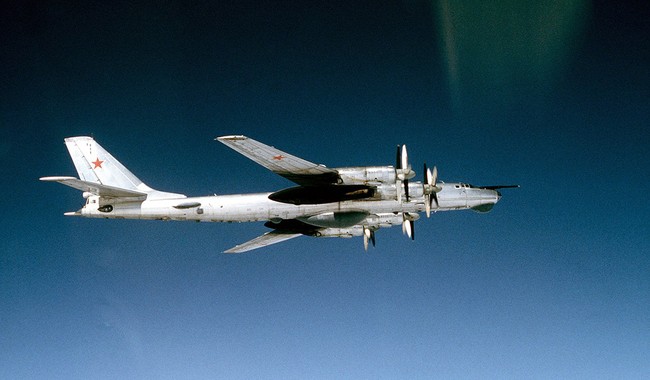
Senator Dan Sullivan is sounding the alarm about an unprecedented military buildup and growing Russian-Chinese activity near Alaska, arguing that while significant investments are underway, more must be done to secure the North Pacific and Arctic approaches.
Alaska sits at a critical junction between the Pacific and Arctic, and that geography has made it a focal point for renewed strategic competition. Senator Sullivan has been drawing attention to increased bomber flights and naval operations near Alaska’s coast, warning these moves are testing U.S. defenses and collecting intelligence on our responses.
Washington has poured billions into Alaska’s defense since the current administration took office, but Sullivan says those efforts, though large, still fall short of what the state needs. He brought a field hearing to Anchorage to highlight infrastructure gaps and to hear from Arctic specialists with firsthand experience in the region.
The Alaska Republican — who chairs the Senate Committee on Commerce, Science and Transportation’s Subcommittee on Coast Guard, Maritime and Fisheries — convened a field hearing at the University of Alaska Anchorage focused on Arctic security infrastructure, with five expert witnesses, including a former vice chairman of the Joint Chiefs of Staff and the nation’s first Arctic ambassador.
“We are now undergoing the largest military buildup and expansion, billions of dollars in investment in Alaska, since World War II,” Sullivan said in his opening statement. “My belief is we’re doing a lot, but we need to do more.”
The hearing comes as joint Russian-Chinese military operations near Alaska’s coastline have occurred with “increasing frequency and sophistication,” according to Sullivan. He noted a Russian incursion occurred 10 days before Saturday’s hearing.
Those incursions have mostly been into the Air Defense Identification Zone rather than U.S. sovereign airspace, but they are still provocative and deliberate. Aircraft remain in international airspace while approaching Alaska’s ADIZ, and ships similarly operate in international waters but close enough to shadow U.S. forces and collect data.
These sorts of Cold War-era maneuvers are back in play, but with modern reach and coordination between Moscow and Beijing. The pattern appears aimed at probing vulnerabilities, mapping sensor coverage, and seeing how quickly and effectively U.S. commands react to near-coast operations.
Sullivan presented charts showing joint Russian-Chinese strategic bomber flights and naval task force operations near Alaska — activity he said is “not happening anywhere else in America, only in Alaska.”
In an interview following the hearing, Sullivan explained his decision to bring a Senate hearing to Alaska.
“That panel of five Arctic experts, that would be an all-star panel in D.C. Those were all Alaskans,” Sullivan said. “The people of Alaska came out in ways that had a huge impact, stopping bases from being shuttered, stopping big military units from being cut or completely disbanded.”
Sullivan emphasized that Alaskans have long defended their own interests, rallying to keep bases open and preserve military capacity in the state. Local knowledge and commitment have repeatedly influenced national decisions about force posture and readiness in the far north.
Geography and isolation make Alaska both a strategic asset and a logistical challenge, especially when it comes to building and sustaining infrastructure for an expanded military presence. Harsh weather, long supply lines, and limited existing facilities mean that investment must be targeted and sustained over years to yield durable advantage.
Modern threats also demand more than bases and aircraft; they require improved sensors, resilient communications, and the ability to operate in contested environments. Sullivan’s hearing assembled experts who underscored the need for better Arctic-specific capabilities and plans to deter and, if necessary, respond to coordinated adversary moves.
The senator framed the issue as one of urgency: the United States must match the tempo and sophistication of Russian-Chinese operations in the region or risk being outmaneuvered at a strategic choke point. He argued that current efforts are important but incomplete, urging additional investment and focus.
As great power competition returns to areas once dominated by Cold War calculations, Alaska will remain a frontline for testing American readiness and resolve. The debate now centers on how quickly policymakers and military planners can convert attention and funding into hardened, effective deterrence for the North Pacific approaches.
Public hearings, local engagement, and bipartisan support will shape what comes next for Alaska’s defense posture and Arctic infrastructure. The senator’s message is clear: significant progress has been made, but the scale and complexity of the challenge mean this is not the time for complacency.


Add comment