
The exchange between Republican Rep. Brandon Gill and a pro-abortion witness at a House FACE Act hearing sparked a viral stir, a partisan reaction on X, and a thread of pushback from women who felt misrepresented by Democrats. This piece walks through the hearing moment, the heated responses online, and how the debate escalated into personal attacks and reminders about what each side chooses to highlight. The focus stays on the public moments: Gill’s line of questioning, the Democratic rebuttal on social media, and the reactions from women who say they were spoken for without consent. Quotes are preserved exactly as they appeared in the original exchanges.
Hot Takes: Democrat Congressman’s ‘War on Women’ Argument Doesn’t Go According to Plan
The hearing opened with a tense interchange when Rep. Brandon Gill pressed American University law professor Jessica Waters on the specifics of abortion procedures. Gill described procedures in blunt, graphic terms and asked Waters directly what her preferred method was, drawing a sharp reaction in the room. At one point he said, “I wouldn’t want to talk about this either if I were you, because it’s barbaric and evil,” a line that captured attention and quickly circulated online.
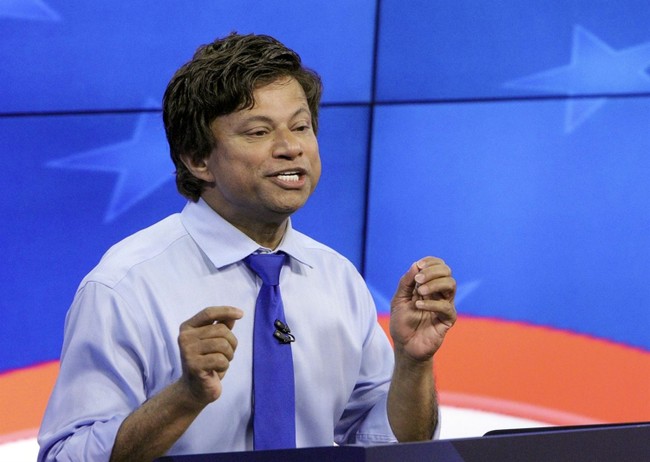
Video from the exchange spread widely, as clips of Gill often do, and the conversation migrated to social media where colleagues weighed in. Rep. Shri Thanedar saw the clip and fired back on X, using the familiar Democratic framing that Republicans are waging a “War on Women” whenever abortion policy is criticized. That post, meant to shore up the party line, instead drew heat from women who felt the claim erased the diversity of female opinion on the issue.
Thanedar’s post features the following exact wording and is preserved here:
Remember folks, Republicans are NOT the party of creepy men trying to intrude their way into women’s private business, they just want to interrogate you about your favorite abortion method at a national congressional hearing.
Rather than changing minds, the tweet produced a cascade of replies from women who pushed back hard. Many respondents rejected the idea that one politician or party speaks for all women, calling the blanket “War on Women” narrative insulting and tone-deaf. Those reactions are a central part of the story and are left intact here for readers to see the diversity of responses that followed the hearing.
Some commenters focused on the nature of the questioning itself and whether graphic detail was necessary to make a policy point. Others said Gill’s blunt descriptions were justified because voters deserve to know the reality behind abortion procedures. The debate thus shifted from the courtroom-style exchange to a broader argument about transparency versus decorum in public policy debates.
When Thanedar doubled down and kept the argument on social media, Gill pushed back in kind, asking what Thanedar’s preferred abortion procedure was, which only escalated the tone. That exchange, too, moved online and prompted further reactions from both sides. The back-and-forth became less about legislative substance and more about performative outrage, leaving many observers frustrated with the collapse of the conversation into personal attacks.
Critics of Thanedar argued that his response implied a monolithic view of women that does not exist, and they found that presumption especially galling coming from a Democratic lawmaker. A number of women publicly rejected being spoken for while sharing their reasons for opposing abortion or disagreeing with the tactic of silencing detailed debate. That chorus of dissent undercut the narrative that Democrats always represent all women’s views on reproductive policy.
Beyond the immediate exchange, some opponents brought up past controversies involving Thanedar to question his moral authority on the topic. Those references were used as rhetorical ammunition to suggest hypocrisy and distract from the policy issues at hand. The tactic proved effective at muddying the public conversation and turning attention to personal history rather than legislative substance.
Conservatives who watched the hearing argued that graphic descriptions of procedures are necessary to inform the public and to make legal and policy claims transparent. Progressives and many journalists pushed back, claiming such descriptions are intended to inflame rather than enlighten. Both sides ended up talking past each other, with social media amplifying the most heated takes and leaving nuance stranded in the middle.
At the heart of this episode is a larger political problem: when partisan actors treat public hearings and social platforms as stages for performative outrage, voters lose a chance for sober debate. The exchange between Gill and Waters and the subsequent social media storm show how quickly a policy discussion can be reframed as a culture war fight. That reframing makes it harder for ordinary citizens to parse facts from theater when weighing policy choices.
What remains clear is that the dispute did not stay confined to the hearing room. It spilled into timelines, comment threads, and news cycles, and women on both sides of the issue voiced strong objections to how they were portrayed and claimed by politicians. The public will judge which approach—graphic exposure or protective framing—resonates when the dust settles and voters decide on the arguments that matter most.



Add comment