
White House Trolls ‘No Kings’ Dems With Pitch-Perfect Post
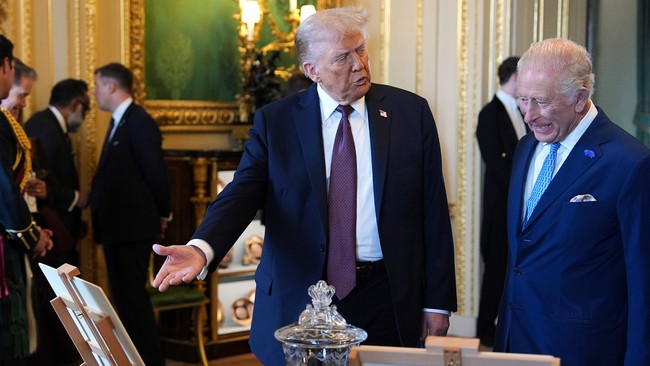
The British monarch’s visit, a joint session address, and a terse White House social media post combined into a short, effective political moment that highlighted differences between a confident presidency and perpetual Democratic apology. King Charles met with the president and spoke to Congress, prompting a White House response that mocked the “No Kings” demonstrators and underscored a theme of American strength and achievement. That post set off predictable reactions from the left while reinforcing a straightforward conservative message about leadership, sovereignty, and national pride. The exchange shows how symbolism and tone still matter in American politics.
King Charles came to the United States and addressed a joint session of Congress, bringing attention to the US-UK relationship and the continuing pageantry of state visits. He also met with President Donald Trump, and the president used the moment to deliver strong language about America’s origins and character. Trump said, “In recent years, we’ve often heard it said that America is merely an idea,” and stressed that “the cause of freedom did not simply appear as an intellectual invention of 1776,” arguing instead that the republic was forged through struggle and sacrifice. That framing pushed back on people who reduce the nation’s story to abstract guilt rather than achievements.
The contrast with Democratic rhetoric that constantly apologizes for America was stark and unmistakable in tone. Democrats often frame the country as inherently flawed, which invites self-doubt and weakness rather than confidence and renewal. For four years under Biden’s approach — as described by many critics — the nation came across as apologizing for its history and ceding moral clarity. The White House response during the royal visit chose to lean into pride, celebration of constitutional order, and a reminder that American liberty rests on real sacrifice.
There was theater in the interaction beyond speeches, and some of it was designed to needle critics. The White House used a pointed social media post to mock protesters holding “No Kings” signs, a move that intentionally highlighted the irony and tested the left’s outrage reflex. Conservatives saw the mockery as a clever bit of political theater that exposed the demonstrators’ own caricature of power and governance. That sort of trolling serves a purpose: it draws attention, frames the narrative, and forces opponents to react on the president’s terms.
The administration’s posture reflects a belief that strength and determination inspire confidence among allies and voters alike. Rather than adopting a posture of contrition, the message emphasized that the United States has been a beacon through its laws, institutions, and protection of individual rights. Those who insist the country is perpetually failing overlook the centuries of achievement that actually made it a model for others. This messaging is meant to reclaim the conversation from perpetual cultural self-flagellation and reassert national pride.
Biden’s critics say his speeches became formulaic, a parade of apologies and concessions that left an opening for adversaries to perceive weakness. By contrast, the events around the royal visit and the president’s interactions looked designed to project competency and resolve. Supporters argue that Trump has energy and a willingness to fight for policy wins, handing a clear contrast to the bland repetition of the opposition. Trolling the opposition is a tactic here, a way to expose inconsistency and diffuse the critics’ moral high ground.
As expected, the left erupted over the White House post, treating the social media jab as a major provocation rather than a minor bit of rhetorical theater. The reaction from some Democrats included heated comments and social media posts that only amplified the administration’s message by keeping it in the headlines. A notable response came from Democratic Rep. Raja Kishnamoorthi, whose reaction was widely shared and mocked on conservative channels. That feedback loop is exactly what provocative posts are meant to create: a cascade of coverage that reinforces the original point.
Public figures on both sides leaned into the moment and the national conversation it stirred up. The president himself has been explicit about his role and limitations, saying plainly he does “not feel like a king” and describing the work of governance as grinding and coalition-driven. His critics want to label him otherwise, but the administration points out the daily reality of politics, compromise, and the need to persuade colleagues. That reminder undercuts caricatures and brings the focus back to the messy business of delivering policy.
Some of the most memorable lines in the coverage came from the president’s own admissions about power and process, preserved exactly as he said them. “I don’t feel like a king; I have to go through hell to get stuff approved,” Trump said during remarks on the topic last June. “A king would say, ‘I’m not going to get this.’ A king would have never had the California mandate to even be talking, he wouldn’t have to call up Mike Johnson and [Senate Majority Leader John] Thune and say, ‘Fellas you got to pull this off’ and after years we get it done,” he added.
That candid description of governance highlights why provocation can be useful: it exposes opponents’ inconsistencies and reframes debates about authority and accountability. Conservatives view the White House post as an effective counterpunch to performative liberalism, turning a protest slogan into a political liability for the left. The episode also shows how modern political communication blends substantive claims with a little theatrical flair to shape public perception and win the narrative war.

Add comment