
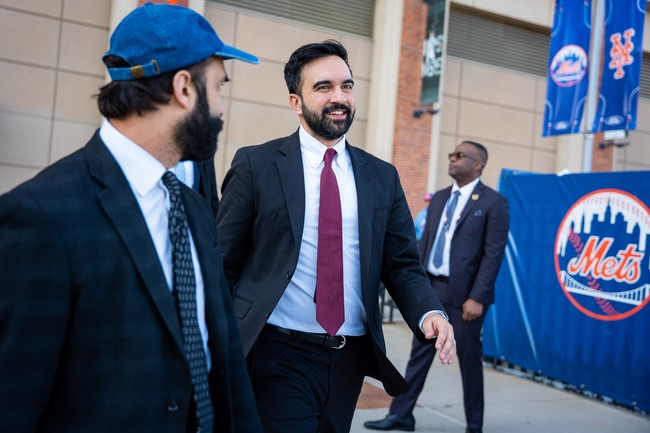
I’ll explain how New York City’s new mayor missed a budget deadline, proclaimed a historic fiscal crisis, pushed Albany for more state aid, and doubled down on progressive spending plans that clash with the state’s resistance.
Zohran Mamdani, who describes himself as a democratic socialist, missed the city’s statutory budget deadline weeks into his term and promptly labeled the situation a “budget crisis of a historic magnitude.” He and City Council Speaker Julie Menin announced a two-week delay to the executive budget while pressing the state for additional help. That move shifted responsibility outward and set the tone for negotiations with Albany.
The administration claims the city faces a $5.4 billion shortfall that cannot be resolved through cuts alone, calling for both new revenue and a “structural reset” in the city’s relationship with the state. That reset centers on reducing a state tax credit for pass-through entities from 100 percent to 75 percent, which city officials say would produce nearly $1 billion in revenue. In plain terms, Mamdani favors raising taxes on businesses and high earners rather than trimming ambitious spending plans.
Mamdani framed the moment with dramatic language and relied on the notion that he “inherited” the problem, a repeated line his team uses to explain early missteps. The previous mayor left reserves the city says masked deeper recurring obligations, and Mamdani’s aides argue those long-term expenses were underestimated. Critics see the “inherited” claim as a defensive cover for an administration that campaigned on big promises without a matching fiscal plan.
“New York City faces a budget crisis of a historic magnitude. We inherited a deficit larger than any since the Great Recession.”
Former Mayor Eric Adams pushed back with a blunt counterpoint: “Free is a lie.” That two-word retort captures the core Republican critique: public promises of expanded services without clear funding ultimately land as bills for taxpayers. The debate is now visible in public bargaining with Governor Kathy Hochul, who has resisted changing the pass-through tax credit and stressed the state already provided substantial aid.
Hochul emphasized the state has supplied multiple billions in assistance and urged the city to pursue spending reductions before expecting further relief. She argued the state’s delayed budget timetable does not justify pushing the city deadline and refused to alter the tax mechanism Mamdani wants to change. Her stance highlights a split even among Democrats over fiscal responsibility and where the burden should fall.
“It’s not happening. We’re not changing PTET [Pass-Through Entity Tax].”
City officials also point to a regional imbalance: New York City supplies a majority of state revenue while receiving a smaller share of state spending. That statistic fuels the city’s argument for more direct aid, but it does not erase the political reality that Albany has limits too. Lawmakers and the governor must weigh statewide priorities, and many are reluctant to rewrite tax policy to plug a municipal shortfall driven by new commitments.
Mamdani insists his agenda will continue, even if it requires billions more than what the administration now calls necessary to close the current gap. He has signaled resistance to rolling back progressive programs enacted or proposed under his leadership, promising to pursue broader goals despite fiscal strain. This posture invites skepticism from those who say policy ambitions should match funding sources rather than rely on shifting costs to others.
“We cannot close this deficit with savings alone. We need new revenue, and we need a structural reset in our relationship with the state.”
The growing standoff leaves New Yorkers watching a tug of war: a mayor who refuses to scale back high-cost priorities, a governor who declines to change tax policy, and a public stuck between competing promises. With the executive budget delayed and negotiations ongoing, the immediate pressure falls on both city and state leaders to find a path that avoids deeper cuts or higher taxes that could stifle growth. For fiscal conservatives, the episode underscores the predictable consequences when large spending plans meet limited revenue.
One thing is clear: the fiscal drama is now public, the timeline extended, and the political differences sharpened. Expect both sides to keep using numbers and rhetoric as leverage while residents and businesses await a final budget that reconciles ambition with economic reality.


Add comment