
Judge Hands Down Decision in Pentagon Press Restrictions Case
The court moved quickly, and a federal judge has struck down significant parts of the Pentagon’s new rules for reporters inside the military headquarters. That ruling restores access for several journalists and raises fresh questions about how the Department of Defense balances national security against press freedom. The clash highlights tension between preventing leaks and preserving open reporting on matters of war and foreign policy.
The Pentagon announced tightened rules late last year, citing a need to stop unauthorized disclosures inside the building. The policy tightened credential standards, created restricted zones, and allowed the department to label certain journalists “security risks.” Officials argued the rules were a measured response to what they described as a serious leak problem.
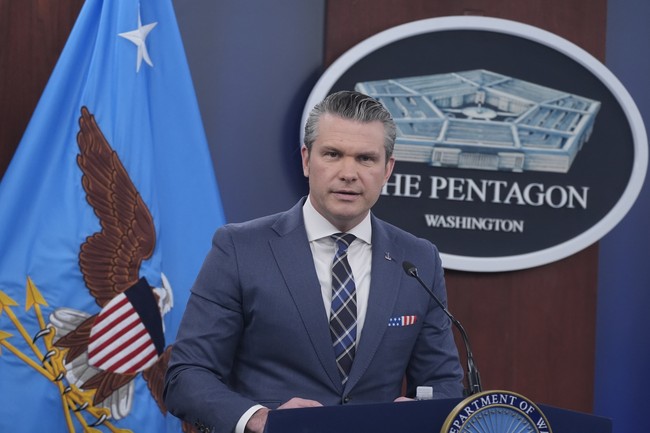
In recent weeks, the Department of Defense announced new restrictions for the press operating inside the Pentagon. Secretary of War Pete Hegseth did so in a bid to bring an end to unauthorized leaks inside the facility. He wants to limit the amount of free rein journalists have had throughout the building, instituting stricter guidelines for credentials and designating specific no-go zones that would require escorts for access.
The New York Times challenged that approach in federal court, arguing the rules ran afoul of the First Amendment. The paper had several reporters who surrendered their Pentagon passes rather than sign an agreement that could let the department revoke credentials on broad grounds. The lawsuit pressed the point that journalists must be able to report without a looming threat of being branded a security risk for doing routine reporting.
On Friday, U.S. District Judge Paul Friedman issued a ruling that cut into significant portions of the policy. He found that the restrictions, as written and applied, violated constitutional protections for the press. The order specifically required that the Pentagon restore passes to seven journalists from The New York Times who gave theirs up rather than accede to the policy.
A federal judge on Friday ruled that the Pentagon’s restrictions on news outlets violate the First Amendment and issued an order tossing parts of the department’s policy, handing a victory to The New York Times, which filed suit in December over the restrictions.
Judge Paul Friedman, of the U.S. District Court for the District of Columbia, also ordered the Pentagon to restore the press passes of seven journalists for The Times. They had surrendered those passes in October instead of signing the policy, which empowered the Pentagon to declare journalists “security risks” and revoke their press passes if they engage in any conduct that the Pentagon believes threatens national security.
Judge Friedman emphasized the practical stakes, noting that when the country is engaged militarily and diplomatically, the public needs diverse perspectives and reporting. He wrote, “Especially in light of the country’s recent incursion into Venezuela and its ongoing war with Iran, it is more important than ever that the public have access to information from a variety of perspectives about what its government is doing.” That line underlines the court’s view that transparency matters most when national decisions carry grave consequences.
The Pentagon has defended the changes as necessary for protecting classified information and preserving operational security. Government lawyers told the court the restrictions were reasonable reactions to a pattern of leaks that threatened lives and missions. That argument put national security squarely at the center of the dispute, forcing the judge to weigh competing public interests.
After the ruling, Pentagon spokesman Sean Parnell said on social media that the government disagrees with the decision and will seek an immediate appeal. The department’s move to appeal indicates this is unlikely to be the final word and that the legal fight over access and limits inside military facilities will continue. The appeal could delay any long-term clarity about how reporters operate inside the building.
The case exposes an awkward balance for commanders and policymakers: how to protect sensitive information without turning the Pentagon into a fortress for journalists. Leadership wants control to prevent actionable intelligence from reaching adversaries, but heavy-handed rules risk blocking essential oversight and the public’s right to know. Courts will have to continue calibrating where the line is between legitimate secrecy and impermissible restriction of speech.
For reporters, the decision is a reminder that constitutional protections can push back against administrative rules that overreach. Restoring the passes for journalists who refused the new terms is a concrete win in that respect. At the same time, the department’s swift announcement of an appeal shows the issue won’t fade; it will shape press access and military-media relations for months to come.

Add comment