
The stalled negotiations between the United States and Iran over a fragile ceasefire have driven fresh volatility in global energy markets, pushing pump prices higher for American families and underscoring the urgency of stronger U.S. energy independence and firmer foreign policy. This piece argues from a conservative perspective that inconsistent diplomacy and tolerance of Iranian coercion raise costs at home, while steady American strength and expanded domestic energy production would blunt future shocks.
The Strait of Hormuz is a narrow but vital artery for global oil and gas, and recent Iranian moves to condition maritime freedom on political concessions have amplified market anxiety. That uncertainty translates quickly into price swings: Brent crude has moved sharply, and motorists feel it when gasoline edges above $4 per gallon in stretches. Diesel spikes hit businesses and supply chains harder, which then feeds into everyday inflation that hits working households the hardest. Energy disruptions in far-off waters should not be abstract when they pressure grocery bills and heating costs here at home.
For years Iranian aggression—through proxies, missile strikes, and nuclear brinkmanship—has tested American resolve and the safety of key sea lanes. The current standoff reflects policies that some past administrations treated with tentative appeasement, rather than decisive counters. The administration favored by conservatives has emphasized pressure through sanctions, maritime blockades when necessary, and clear support for allies to deny Tehran leverage. Those tactics are meant to prevent Iran from imposing terms that squeeze global energy flows and threaten regional stability.
BREAKING
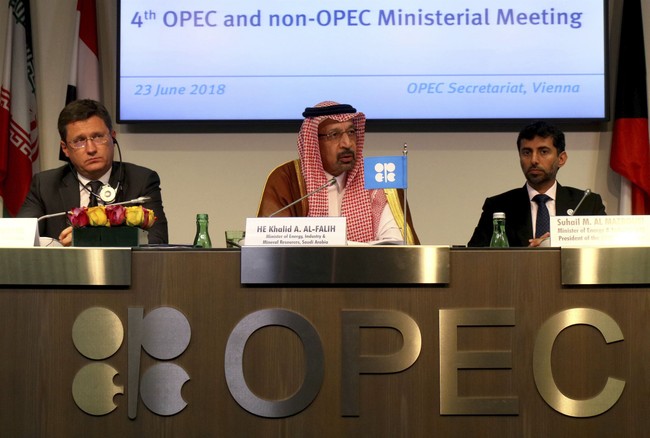
The United Arab Emirates, OPEC’s 3rd largest oil producer, announced it will leave OPEC and OPEC+ effective May 1.
The move would free the UAE from cartel production quotas, allowing it to pump oil at full capacity, set its own export strategy and price crude without group restrictions.
That could pave the way for higher UAE output, stronger state revenues and downward pressure on global oil prices.
Lower prices and increased supply would likely be welcomed by President Trump, who has long criticized OPEC production limits and called for cheaper energy.
This is not just geopolitical theater; it has immediate economic consequences. Every tenth of a dollar increase at the pump compounds into higher transport costs, pricier goods, and squeezed household budgets for families already juggling tight finances. Those who move the economy—truckers, farmers, small-business owners—feel these effects first and worst. That’s why foreign policy that safeguards energy routes matters directly to everyday Americans.
History shows that half-measures rarely work with aggressive regimes. Allowing Tehran to retain coercive leverage through partial deals only encourages more demands down the road and leaves the American consumer to pay the freight. A clear negotiating posture that denies rewards for bad behavior both deters further brinkmanship and reduces the chances of recurring disruptions to supply. Pragmatic firmness is not warmongering; it is insurance against economic pain for ordinary citizens.
Domestic energy production is a blunt and effective hedge against market shocks caused by distant powers. American oil and gas output has insulated the country compared with nations more dependent on foreign barrels, and boosting that capacity further should be a priority. Strategic reserves, diversified supply chains, and expanded U.S. exports all strengthen leverage in international bargaining. The goal is simple: make foreign choke points matter less when adversaries move to squeeze them.
OPEC: The UAE is leaving OPEC on May 1. Qatar left during Trump’s first term. The 65-year-old cartel that controlled global oil prices for generations is collapsing. Trump blockaded Iran, surged US exports to record levels, & now the cartel is breaking apart. Biden begged OPEC to pump more. Trump is making OPEC irrelevant.
Policymakers should learn from recent market reactions and adopt a coherent energy-and-security strategy that protects household budgets and supports allies. That means keeping sanctions tight on malign actors, sustaining naval freedom of navigation, and growing domestic production where responsible innovation permits. It also means pushing diplomatic solutions that demand real, verifiable changes from Tehran, not paper promises that leave leverage intact. When American policy is consistent and forceful, adversaries find it harder to weaponize energy markets against us.
Ultimately, defending sea lanes and expanding U.S. energy capacity are two sides of the same coin: one protects our immediate economic interests, the other reduces vulnerability over time. Ordinary Americans should not bear the brunt of diplomatic indecision or strategic drift. Strong, pragmatic leadership at home and abroad gives families the best chance to avoid future price shocks and the uncertainty they bring.


Add comment