
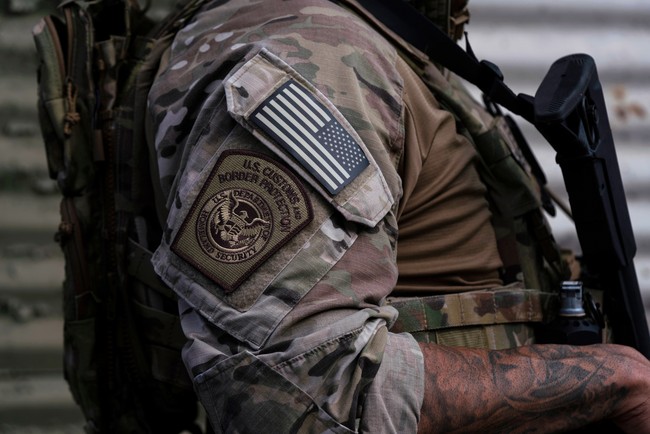
This article examines DHS Secretary Markwayne Mullin’s proposal to pull Customs and Border Protection officers from airports in sanctuary cities, the potential nationwide disruptions that move could cause, and his blunt reaction to anti-ICE protests in Newark. It covers reactions from reporters noting widespread ripple effects, explains the administration’s rationale about enforcing federal law, and preserves Mullin’s exact quoted language and related on-the-record commentary.
Department of Homeland Security Secretary Markwayne Mullin told Fox News he’s “currently drawing up plans” to stop processing international arrivals at airports located in sanctuary cities. He said the change would target places that decline to cooperate with federal immigration enforcement, arguing it is a direct consequence of local policies that block federal agents from doing their job. The idea has drawn headlines and sharp reactions because airports link directly to metropolitan economies and travel networks.
Bill Melugin and other reporters warned that removing Customs and Border Protection from major hub airports could trigger widespread chaos for international travel. Airports named in the debate include LAX, JFK, San Francisco, Chicago, Newark, Seattle, Denver, and Philadelphia among others, places that rely on customs agents to process inbound passengers. The core concern is practical: without CBP at those airports, international flights cannot operate normally into those cities, forcing reroutes or cancellations and creating cascading logistical problems.
https://x.com/EricLDaugh/status/2059633424181215725
Supporters of the policy point to a simple principle: if a city openly obstructs federal law enforcement, there should be tangible consequences. From that view, sanctuary policies represent a deliberate choice by local leaders to hinder immigration enforcement, and federal authorities are justified in responding in a way that amplifies the cost of non-cooperation. Those arguing this way frame the move as accountability, not punishment, and as a lever to restore federal authority.
Critics emphasize the human and economic fallout of such an order, warning of stranded travelers, stalled trade, and diplomatic headaches. Pulling CBP could disrupt commerce and tourism, complicate consular matters, and strain neighboring transportation hubs as passengers seek alternate routings. Observers also note the operational reality that significant coordination is required before such an extreme step could be implemented, and that the idea appears to be in planning rather than finalized policy.
The conversation intensified after protests at an ICE detention center in Newark, where activists demonstrated over conditions and where local policing decisions reportedly limited law enforcement response. Mullin reacted to those demonstrations with a memorable line: “This isn’t Holiday Inn.” That remark captured his impatience with protesters and officials he believes prioritize politics over public safety and border enforcement. He used the Cabinet meeting platform to make the point directly and forcefully.
Public messaging from the DHS has tied the proposal to budgetary concerns as well, noting congressional choices affect how agencies are resourced and where personnel are assigned. Mullin has also accused Democratic lawmakers in sanctuary jurisdictions of refusing to fund necessary border functions, positioning the airport plan as one tool among many to pressure political opponents. Whether budgetary leverage or operational reassignments will sway local officials remains an open question.
Legal and logistical experts have pointed out that removing CBP is not a simple flip of a switch; it would require alternative processing arrangements, reauthorization of travel patterns, and coordination with airlines and international partners. Any sudden change could create safety and legal challenges, including issues around admissibility determinations and detention capacity elsewhere. Still, the administration appears to be signaling that hard choices are on the table when local policies and federal enforcement collide.
The debate exposes a sharper divide about how to handle cities that adopt sanctuary stances: one side demands consequences for noncooperation, the other warns about real-world fallout for travelers and commerce. At its center is a straightforward political calculation about control of federal enforcement activities and whether withholding services is a permissible response to local obstruction. The plan remains in the drafting stage, but its mere existence has already reshaped the public discussion about federal-local conflict and border policy.

“sanctuary policies represent a deliberate choice by local leaders to hinder immigration enforcement”
Correct so make them pay the consequences for their nefarious actions and they are getting off easy not going to prison for obstruction and sedition!
I think that would be even more appropriate for these snakes!