
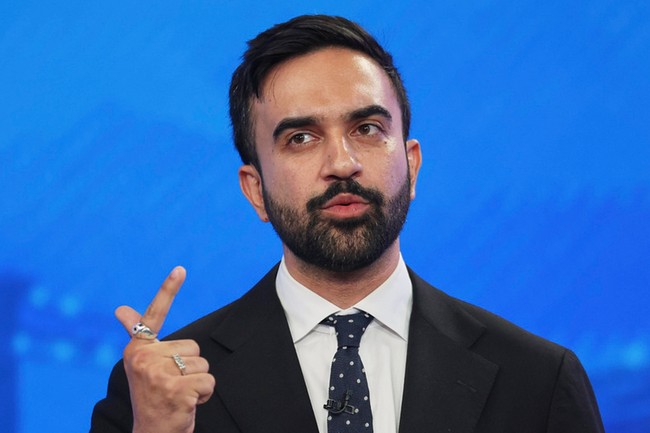
The 25th anniversary of 9/11 is approaching and families of World Trade Center victims are planning solemn remembrances, but they face a conflict over New York City Mayor Zohran Mamdani’s insistence on attending the main Ground Zero ceremony despite many relatives asking him to stay away; tensions have led to a large petition and vows from families to visibly turn their backs if he appears.
The families want a quiet, dignified day to honor their dead and they feel Mayor Mamdani’s presence would politicize and wound that moment. Many relatives view his past comments and associations as incompatible with what the commemoration should represent, and they have made their displeasure clear. This dispute has grown into a public flap because the mayor has publicly stated he will attend regardless.
While Mamdani has never publicly endorsed the 9/11 attacks, he has suggested that FBI surveillance helped drive Anwar al-Awlaki – an American-born radical Islamic cleric who became a leading propagandist and operational figure for al-Qaeda – into the terrorist organization.
This isn’t a guy who should be anywhere near Ground Zero.
Multiple ceremonies will mark the anniversary, including city-sponsored events separate from the families’ private reading of names at the Ground Zero memorial. In theory the mayor can attend other events, but he appears intent on being part of the main ceremony where the families gather. That insistence has amplified fears among relatives that the focus will shift from the victims to political theater.
A petition started by family members has gathered widespread support, reflecting strong emotions tied to the site and the day. Organizers cite “public positions, associations, and responses to rhetoric” they find at odds with the values they expect honored on September 11. The petition’s traction underscores how personal and raw these anniversaries remain for survivors and survivors’ families decades later.
This anniversary is one of remembrance grounded in shared American values: respect for the victims, recognition of the gravity of the attacks, and a clear rejection of the ideologies that contributed to such violence. For many families and community members, participation in these ceremonies carries an implicit expectation that those present uphold and affirm these principles without ambiguity.
Concerns have been raised about Mr. Mamdani’s public positions, associations, and responses to rhetoric that many perceive as hostile to these shared values.
Mayor Mamdani has addressed reporters and reiterated his intention to “stand alongside” families and first responders, insisting his presence is an act of solidarity. His statement has only intensified feelings among those who view his past remarks as troubling. For many relatives, solidarity must be aligned with clear support for victims and rejection of the forces that enabled such attacks.
Reporter: A number of people who are survivors of 9/11 are calling on you not to go to 9/11 memorial services. I wonder how you feel about the fact that they’re trying to keep you away.
Mamdani: I will proudly honor the families, the survivors, the first responders forever impacted by that horrific terror attack by standing alongside them at this year’s 9/11 commemoration, reaffirming that we will never forget the solemn day felt by all of us who call this city home, and frankly, by all of us who call this country home.
If Mamdani does attend the Ground Zero reading, families say they will respond with a visible act of protest: turning their backs en masse. Petition organizer Giovanni Galante, who lost his wife Grace on 9/11, put it plainly: “They don’t want to look at him.” That simple action is meant to protect the sanctity of the memorial moment and signal deep offense at what many see as an inappropriate intrusion.
Former officials and first responders have also weighed in, with some signing the petition and voicing support for the families’ right to control who shares their moment. Anger and grief remain intertwined for people who lost loved ones or colleagues, and memories of that day drive fierce protectiveness over how it is observed. The debate spotlights how political figures can become flashpoints at memorial events when their histories and statements clash with survivors’ expectations.
The situation raises broader questions about public space and who gets to occupy sacred civic moments. Memorial ceremonies are meant to center victims and survivors, not elected officials seeking visibility. For many, the plain aim is simple: keep politics out of a day that should be about remembrance, honor, and the families who still grieve.
https://x.com/nypost/status/2083525745347805686

Add comment