
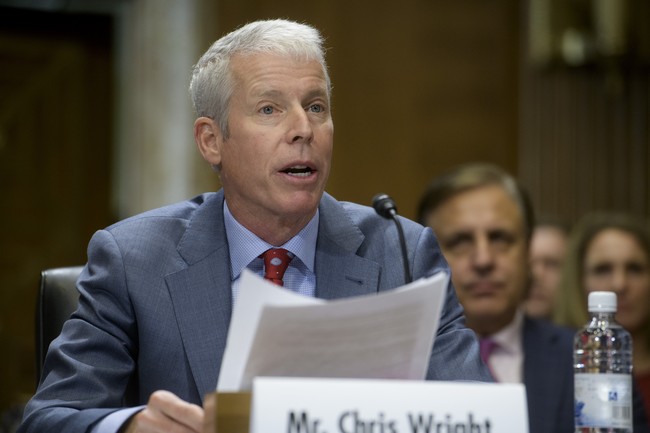
Energy Secretary Chris Wright told Sunday shows the recent jump in gasoline prices after action against Iran will be short lived, saying the administration is focused on restoring steady flows of oil and fuel while degrading Iran’s capacity to threaten energy shipments through the Strait of Hormuz.
Concerns about shipping through the Strait of Hormuz are real: about 20 percent of the global energy supply moves through that chokepoint. After the administration’s moves, gas prices spiked for a short period, worrying families and businesses that count every dollar at the pump.
Wright appeared on multiple programs to reassure Americans and lay out the administration’s strategy to get supply moving again. He emphasized a commitment to energy security and argued that decisive action will reduce volatility for motorists and industry.
Here’s what he said to Fox’s Shannon Bream:
The plan is to get oil and natural gas and fertilizer and all the products from the Gulf flowing through the straits before too long. We’re massively attriting their ability to strike with missiles and drones, and that rate of attrition will increase in the coming days. So we’ll be cautious, we’ll be careful, but energy will flow soon.”
Wright reminded viewers that Iran has been a destabilizing influence in the region for decades and that this administration views the threat differently than past leaders. He framed current action as a necessary step to end years of aggression that have threatened neighbors and global markets.
He noted that one tanker has already passed through, calling that a signal that operations can resume safely. That single successful transit, he said, demonstrates that military and diplomatic efforts can open routes and reassure commercial shipping.
Talking to CNN’s Jake Tapper, Wright contrasted current prices with those during previous administrations and stressed the administration’s push to lower costs. He said prices remain about $1.50 cheaper than the midpoint of the Biden years, and he tied higher past prices to policy choices that reduced domestic production.
Wright made a broader political point about energy policy: the administration sees increased production and a robust approach to security as the route to cheaper, more reliable energy. He argued that relying on diplomacy alone, as some past leaders did, left markets vulnerable and allowed hostile actors to exploit gaps.
On forecasts, Wright offered a practical timeline rather than dramatic promises, saying the worst of the price squeeze should last weeks, not months. That projection rests on continued pressure that degrades Iran’s missile and drone capability and on coordinated efforts to get merchant traffic moving again.
The secretary also told “Face the Nation” that previous administrations had used tactics that failed to secure American interests, citing decades of what he called ineffective engagement with Tehran. He framed the current approach as a break from those failures and an effort to restore stability through strength.
Critics on the left, Wright and allies say, are reacting politically and missing the strategic gains from decisive action. He and supporters argue that partisan reflexes are preventing some Democrats from backing measures that would restore security and lower costs for American consumers.
Energy independence and increased domestic production remain central to the administration’s response, with officials promising to prioritize pipelines, refineries, and exports where possible. The aim is to create redundancy and resilience so that regional disruptions have less impact on American prices and supply.
For people watching pump prices closely, the message from the Energy Department is straightforward: work is underway to get product flowing, attrition of hostile capabilities will continue, and the goal is a rapid return to normal market conditions. Officials are signaling confidence that the combination of military pressure and logistical fixes will calm markets.

Add comment