
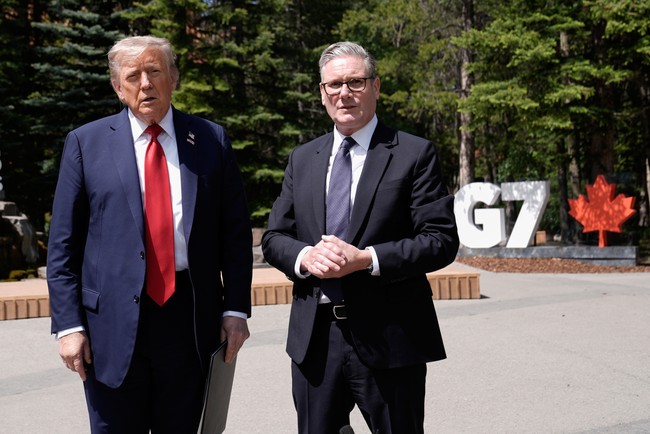
The piece challenges the British Army’s recent consultation on gender-free grooming rules, arguing those changes undermine military readiness and contrast with U.S. and allied force actions overseas. It critiques shifts in culture, warns about a broader decline in martial seriousness, and frames the issue as a symptom of political and institutional weakness. Specific quoted passages from the original consultation and reporting are preserved where relevant. Embedded media tokens remain in place for the original visual and social content.
Watching the British Army debate whether men should wear make-up while wars unfold elsewhere feels like a country losing its edge. The article opens by comparing decisive actions taken by American and Israeli forces to what it portrays as pettiness inside Britain’s military bureaucracy. The tone is blunt: grooming rules should never be allowed to distract from training, equipment, and battlefield effectiveness.
“Army chiefs have been criticised for launching a review – just as the Iran war intensifies – into whether male soldiers can wear make-up.” That quoted line nails the timing critics object to, and it is hard to argue the optics are good when global threats are rising. The consultation reportedly asked serving soldiers whether rules on make-up should be gender-free, meaning “men, women and non-binary service personnel can all wear make-up in the same way.”
The consultation also raised questions about hair length and accessories, effectively asking if “hair and jewellery policies ‘should be the same for men, women and non- binary personnel’ – effectively meaning men could style their hair like women and wear stud earrings.” That sentence, preserved from the report, underscores why many senior officers and traditionalists see the proposal as a step away from uniformity and discipline. The review even suggested rules on “facial aesthetics” like fillers and microblading and recovery periods for tattoos and piercings, which reads like cosmetic policy rather than operational guidance.
Make-up for men is currently banned and male haircuts are still defined by limits so hair “does not reach to the collar or on to the ears.” The suggested shift toward gender-neutral standards would erase those explicit differences in appearance rules. For critics, loosening those boundaries is less about fairness and more about changing the very image of what a soldier is meant to be.
Observers ask a simple question: in what way do painted nails or eyelash extensions improve marksmanship, logistics, or tactical cohesion? The article’s argument is that they do not, and that this kind of cultural tinkering only distracts from the hard business of preparing for conflict. When units need more body armor, better training, and clearer doctrine, debates about jewelry and cosmetics feel misaligned with mission priorities.
There is a political dimension to all this, and the piece frames it plainly from a conservative perspective. It warns that the same progressive currents that would reshape uniforms and grooming could also transform the military into something like a social program rather than a fighting force. That worry is not merely aesthetic; it is about how nations choose to prioritize strength, cohesion, and the willingness to fight.
The writer contrasts Britain’s internal debate with recent display of American resolve, arguing that U.S. actions indicate a military once again ready to “kick some and take some.” That line plays to a partisan narrative about restoration of toughness and readiness under current leadership. The contrast is meant to shame Britain for what the author sees as softening at a perilous moment in global affairs.
At least one senior British officer had something to say about the whole thing.
Editor’s Note: For decades, former presidents have been all talk and no action. Now, Donald Trump is eliminating the threat from Iran once and for all.
The article closes by lamenting a perceived loss of national will in Britain and celebrating a tougher American posture. It frames the British consultation as emblematic of a broader cultural decline, while insisting that military effectiveness depends on clarity, rigor, and an unapologetic commitment to victory. The tone is direct and unapologetic, intended to provoke readers into seeing grooming rules as a symptom rather than the problem itself.

Add comment