
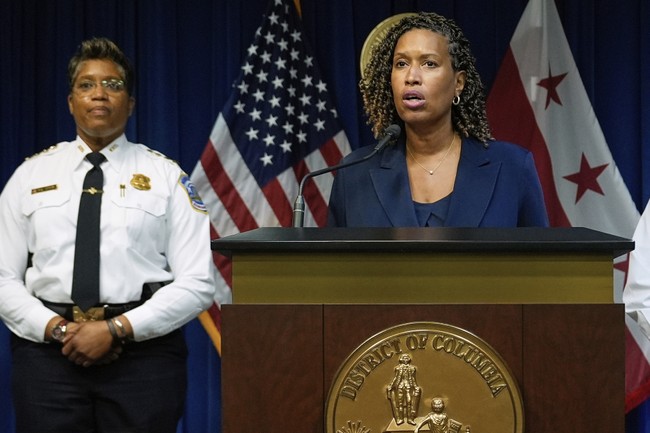
Washington, D.C.’s police chief, Pamela A. Smith, resigned with more than two years left on her contract amid allegations that crime data was manipulated and just after a high-profile ambush; critics and the police union are questioning the timing as federal and congressional investigations continue. This article outlines the context of her departure, the investigations into the Metropolitan Police Department, the political backdrop in D.C., reactions from the police union, and what her exit might mean for law and order moving forward.
On Monday, Chief Pamela A. Smith announced she was stepping down from her post leading the Metropolitan Police Department. Her resignation surprised many because she still had over two years remaining on her contract, which raises questions about why she chose this moment to leave. The timing dovetails with several high-profile developments in the city that have placed added pressure on leadership.
Thanksgiving weekend brought big news in D.C. politics when Mayor Muriel Bowser said she would not run for a fourth term, a decision that has shifted the local political landscape. Shortly after that, an ambush attack on West Virginia National Guard members in the area shocked the public and underscored the ongoing security challenges. That attack, combined with the scrutiny over how crime is reported, created a storm of attention around the MPD and its leadership.
President Trump’s deployment of National Guard forces to the city was touted by supporters as a turning point for law and order in the capital, and officials point to a drop in crime tied to those federal actions. Still, the MPD now faces serious questions about whether crime statistics were altered to paint a rosier picture than reality supported. Those allegations have not only political but legal consequences, since both the House Oversight Committee and the Department of Justice are involved.
Washington, D.C., police chief Pamela Smith is resigning her position after just two and a half years on the job, she announced Monday.
Smith has faced intense pressure from President Donald Trump’s administration, which took over the Metropolitan Police Department earlier this year and deployed federal law enforcement throughout the city.
Smith issued a statement expressing gratitude for her time with the District and for the opportunity to serve as chief, calling the role the greatest honor of her career. She acknowledged the challenges the department faced and said progress had been made while admitting the goal of zero crime had not been reached. Those comments read like the closing of a chapter but left open the question of institutional accountability moving forward.
The controversy over manipulated crime figures dates back to reports from within the department and whistleblower claims that led to a quiet settlement with a former sergeant. That settlement, and the subsequent investigations, center on whether leadership directed the alteration of crime records to meet political or public-relations goals. If those charges are proven, they go to the heart of MPD leadership and will demand serious accountability.
The D.C. Police Union acknowledged Smith’s years of service but openly questioned the timing of her resignation, given the active investigations. Their statement urged transparency and full cooperation with investigative bodies to preserve the integrity of the department. Union leaders, while polite, signaled skepticism about whether a resignation at this moment simply shifts responsibility away from other parties involved.
The @DCPoliceUnion is questioning the timing of today’s announcement by @DCPoliceDept Chief Pam Smith who is resigning.
The Union asks “The Union questions the timing of this announcement, which comes amid active investigations by the House Oversight Committee and the Department of Justice into allegations of manipulation of crime statistics and mismanagement within the MPD.
These inquiries demand transparency and accountability, and we urge full cooperation to ensure the integrity of our department is upheld.”
Political observers point out that both Mayor Bowser’s decision not to run again and Chief Smith’s exit could be seen as moves that leave successors to handle any fallout. Critics argue that stepping down can shield officeholders from the political heat of an investigation, while supporters say leadership changes allow for a fresh start. The optics matter a great deal in a city where local governance is always under national scrutiny.
Some commentators compared Smith’s departure to the actions of police leaders in other cities who have clashed with federal authorities or sent anti-federal messages; they say D.C. needs a leader who prioritizes cooperation, clear command, and accountability. The contrast is stark: either law enforcement aligns with federal partners to reduce crime, or it risks being bogged down in politics and public relations. Residents deserve a department focused squarely on safety and transparency.
Looking ahead, the investigations by Congress and the Justice Department will shape the next chapter of MPD leadership. Whoever replaces Smith will inherit the twin challenges of restoring public confidence and proving that crime data is accurate and untampered. In the meantime, the city remains under intense attention as federal and local players sort out responsibility and reform.


Add comment