
Boeing’s Defense, Space and Security unit is moving its headquarters from Arlington, Virginia back to St. Louis days after a new Democrat governor took office, sparking concerns among conservatives that policy shifts are already affecting Virginia’s business climate. The relocation includes a multibillion-dollar investment in advanced combat aircraft production in St. Louis, and company leadership framed the move as a chance to align headquarters with major engineering and manufacturing centers. Republican critics say the decision underscores how quickly business confidence can shift when a state embraces higher costs and stricter rules.
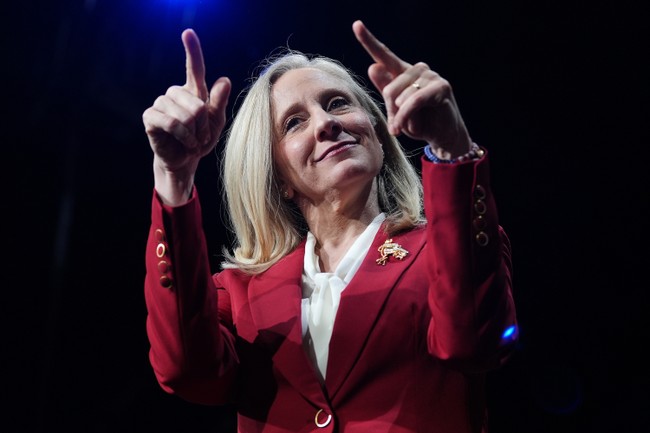
We are just one month and two days into Democrat Abigail Spanberger’s tenure as governor of Virginia, and businesses have already begun leaving the commonwealth after seeing the writing on the wall. Boeing announced that it will relocate its Defense, Space and Security headquarters from Arlington to its previous longtime home in St. Louis, Missouri. The move reverses the 2022 relocation to Arlington, which happened during the previous administration’s efforts to make Virginia competitive for corporate investment.
Steve Parker, CEO of Boeing Defense, Space and Security, said in a statement that the move will allow company leaders the chance to work “side-by-side” with coworkers in the St. Louis area. “The headquarters move, coupled with our senior leaders being based at and spending their time at major engineering, production and manufacturing centers across the U.S., reflects our continued focus on disciplined performance across our business,” he added. Those words were presented as a practical rationale, emphasizing operational alignment rather than partisan motives.
The company also announced plans for a multibillion-dollar investment in “the world’s most advanced combat aircraft production facilities” in places like St. Louis. That level of capital deployment brings jobs, supplier activity, and regional economic boosts that Virginia will now forfeit.
Republican observers point out a pattern: when Democrats take control, state policy often shifts toward higher taxes, more regulations, and mandates that increase costs for employers. They argue those changes make states less attractive to companies deciding where to invest and grow. Examples are cited frequently in debates over state competitiveness and long-term fiscal health.
Since Governor Spanberger assumed office on January 17, a wave of new measures has been proposed or enacted that critics say will raise the cost of doing business. Measures include a phased increase in the minimum wage to $15 an hour, expanded sick leave mandates, new fees and surcharges, and other regulatory moves framed as affordability or environmental initiatives. From a business lens, these policies can feel like a signal that the state is shifting priorities away from low operating costs and toward broader social policy experiments.
Former governor Glenn Youngkin positioned Virginia as a pro-business destination and actively courted corporate relocations and expansions. “We are seeing real changes in that trend,” Youngkin said at the time when business relocations picked up, “Businesses choose every day, ‘Where am I going to invest and grow?’ and they are choosing Virginia now more often than not.” Supporters of that approach credit it with stanching earlier outward migration and making Virginia more competitive for top-tier employers.
Now, conservatives warn, the pendulum may be swinging back. They point to policy reversals, executive orders, and regulatory reviews that Democrats say advance equity, affordability, and oversight but that opponents argue add unpredictability for firms weighing long-term investments. When big-ticket decisions move elsewhere, the loss is more than jobs; it ripples through local suppliers, real estate markets, and tax bases.
There is also an argument about optics and momentum. Corporate executives watch not only taxes and labor laws but also the broader climate of governance and predictability. Businesses prefer jurisdictions where rules are stable and predictable, where leadership signals continuity and support for industry, and where investment in infrastructure and workforce aligns with corporate needs.
For Virginia, losing a major defense headquarters so soon after a gubernatorial transition will be a talking point in debates over the new administration’s direction. Policymakers on both sides will weigh whether the move reflects operational choices by Boeing or a larger trend away from Virginia as a business-friendly state. Either way, the immediate effect is a tangible shift in where significant defense manufacturing investment will be concentrated.
Conservative commentators are likely to frame the Boeing decision as proof that policy matters when it comes to keeping and attracting major employers. They will argue that states compete for investment and that short-term political shifts can have long-term economic consequences. As the fallout unfolds, Virginia’s policymakers will face pressure to demonstrate how their choices support jobs, growth, and fiscal stability without undermining the state’s attractiveness to industry.



Add comment