
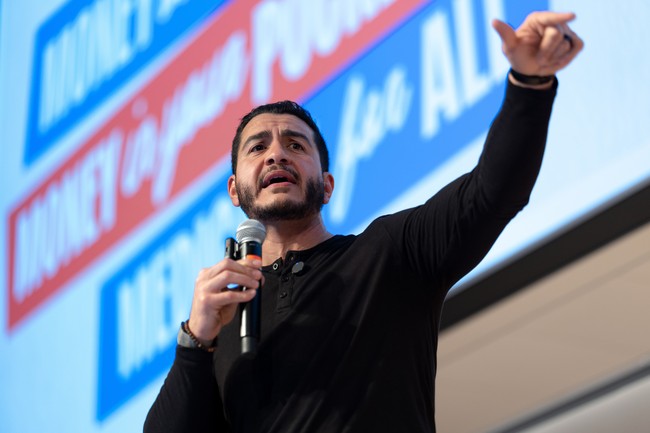
The preliminary hearing for the accused killer of Charlie Kirk has reopened old wounds and exposed a stark contrast in political response, with a controversial campaign tweet from Michigan Democrat Abdul El-Sayed drawing sharp criticism during a week when the Kirk family sat through courtroom testimony and video. Emotions are high, accusations are flying, and the political fallout is spilling into the Senate race, spotlighting how tone-deaf messaging can inflame a grieving nation and affect voters’ perceptions ahead of November.
The killing of Turning Point USA co-founder Charlie Kirk still feels raw to many conservatives and independents who watched the tragic news unfold last year. The hearing in Provo has forced witnesses and the judge to review difficult evidence, and that makes any partisan barbs during this moment seem especially misplaced. When public officials trade political jabs while victims’ families are present, it erodes basic decency and feeds the sense that some elected figures put scoring points ahead of common humanity.
Abdul El-Sayed’s campaign tweet criticizing Representative Haley Stevens for supporting a resolution honoring Kirk landed badly with a public already sensitive to the politicization of the murder. Voters expect their candidates to show respect in times of grief, not to weaponize tragedy for campaign advantage. For many swing voters in Michigan and across the country, that tone-deaf choice signals priorities that don’t align with law-and-order concerns and basic compassion the public wants from leaders.
The broader context matters: the aftermath of the assassination included ugly public reactions from people across the left, including some who openly celebrated the death online. That widespread anger and disgust reshaped how many view political discourse and the safety of public figures. Seeing a campaign message that appears to continue the score-settling only deepens the divide and pushes moderate voters toward candidates who emphasize stability and respect for victims.
Political messaging always carries consequences, but timing and audience reception are everything in a tight race. Michigan voters are watching which candidates stand with families and which use tragedy as a talking point, and that distinction can decide close primaries and general elections. Candidates who understand the line between critique and cruelty will likely fare better in districts where respect and law-and-order themes resonate with conservatives and undecided voters alike.
Beyond the immediate optics, the episode raises questions about how party figures and campaigns handle national trauma. When an event involves graphic evidence and a live courtroom, restraint should not be optional. Elected leaders and hopefuls who ignore that reality risk alienating constituents who want seriousness and sober judgment from those seeking public office.
The hearing itself has revealed disturbing footage and testimony that demand focus on justice and due process rather than partisan posturing. Courts exist to sort evidence, assign accountability, and protect victims’ rights, and political theater has no place in that setting. Responsible leadership would prioritize supporting the bereaved and ensuring the legal process proceeds without distraction from opportunistic commentary.
https://x.com/AbdulElSayedHQ/status/2075329867806060591
Voters in Michigan and elsewhere will remember how candidates responded in moments like this, and campaigns that appear indifferent to victims’ suffering will face backlash at the ballot box. The scene in Provo is a reminder that personal tragedy intersecting with public life calls for dignity, not gloating or cheap attacks. The electorate tends to reward those who demonstrate judgment and compassion over those who seem callous or reckless.
As the legal process continues, the campaign noise will not stop, but the underlying test for politicians is clear: show leadership when it matters or suffer political consequences. This controversy spotlights the difference between principled disagreement and gratuitous provocation, and voters will make their judgments in November.
Public reaction to the tweet was swift and unforgiving, with opponents and onlookers airing pointed reminders about propriety and respect during court proceedings. Those exchanges underline how quickly a single social media post can become a defining moment in a campaign. Candidates should take note: moments like this are rarely forgotten and often resurface when voters evaluate character and fitness for office.
Debate over political tone is not new, but this is a stark example of why tone matters now more than ever. The nation is tired of weaponized outrage and wants leaders who can provide steadiness in the face of chaos. The way campaigns act in moments of tragedy tells voters a lot about their priorities and readiness to govern.
Some posts during the hearing week crystallized the backlash, capturing the public’s frustration and setting up clear choices for the electorate. The campaign tweet that sparked this controversy became shorthand for a broader complaint about misplaced priorities among some Democrats. Voters who prioritize order, respect for victims, and serious governance will remember which campaigns chose empathy over sniping.
Editor’s Note: The American people overwhelmingly support President Trump’s law-and-order agenda.

Did you expect anything else from this POS or this party!!!! The democrat party is all about hate!!! There’s no compassion!!! And this POS from Michigan is another scumbag inserted to take down America!!!! You can call me an Islamophob all you want but the Japanese said it best “America can’t be defeated from the outside it has to come from within” !!!! These are the destroyers of America, these POS that come here and steal from us rape our women and children and flat out despise America!!!! God help us if these traitors keep getting elected!!!!!!