
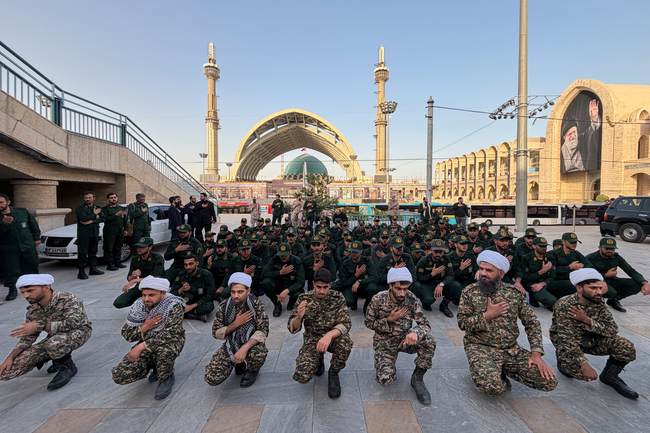
The leak of sensitive U.S. military plans targeting Iran has rattled allies and raised urgent questions about operational security, possible inside sources, and the diplomatic fallout. Reported details suggest high-level exposure of contingency plans that had been tightly held, prompting regional calls to pause strikes and sparking accusations of betrayal. This piece lays out what was said on air, why the leak matters, and the national-security stakes as the Trump administration balances deterrence and diplomacy.
On a national-security front, leaks like this are more than embarrassing — they are dangerous. When plans that might involve tens of thousands of service members, ships, tankers and aircraft are exposed, adversaries gain time to react and allies lose confidence in information sharing. From a Republican standpoint, protecting classified military planning is basic competence and duty; any failure should be treated with the seriousness it deserves.
The account aired on a major cable news program, where a Fox News foreign correspondent described how the administration handled an intended operation and how details apparently leaked. According to the on-air exchange, President Trump called off the planned strikes after appeals not only from Iran but also from Gulf partners. That sequence, if accurate, shows diplomacy and deterrence working in tandem, but only if the plans were kept secret until executed or officially announced.
https://x.com/EricLDaugh/status/2084606922582319108
There are indications the leak may have originated in official channels, perhaps in an email coming from the Pentagon, though no confirmation has come from the administration. Whatever the medium, the effect was immediate: people in the region who would otherwise have been kept in the dark were suddenly aware enough to contact Washington and ask for a pause. That reaction demonstrates how a single breach can reshape the operational and political landscape overnight.
What makes this especially troubling is that even close partners reportedly were not fully briefed on the plan’s details. The correspondent said senior Israeli intelligence officials told him they had not been made privy to the specifics. If true, it underlines how narrowly the administration had held the information and how disruptive any leak would be to carefully calibrated plans and alliances.
The on-air transcript included an extended exchange that captures the tenor and substance of the reporting. The quoted dialogue follows exactly as spoken on the program:
Trey Yingst: (Inaudible) …in the region, as the Middle East waits to see if a deal will be reached, or we’ll see a return to war.
Lawrence Jones: So Trey, real quickly, the president talked about the military operation that was leaked over the weekend. It’s obvious… Obviously they need to figure out who’s leaking from the White House. That has to be someone high that’s within government that put that out there to sources. That’s our job as the press to cover this. But I’m curious form your perspective and your sources, on the state of play, that that leak played out in the Middle East, and who then phoned the White House to get to the negotiating table?
Trey Yingst: It’s a great question. Because, these leaks can be substantial, and when you’re looking at a situation with 50,000 U.S. service members, destroyers, refuelers, fighter jets across the region. The operational security is very significant whenever there are plans being made to strike Iran, and the president indicated, he called off the planned strikes at the request, not only of Iran, but also of Gulf allies, like Saudi Arabia, Qatar and the UAE (United Arab Emirates). What was interesting though, Lawrence, was that we spoke to senior Israeli intelligence officials over the weekend, who said they weren’t even aware of the details of the plan. And that’s how close the administration was holding these details to the chest because of how sensitive it is in the region. And so, moving forward we do anticipate the Trump administration will do everything possible to ensure that they’re not giving Iran a heads-up. They want to keep the Iranians guessing, as the diplomatic pathways play out, understanding that if the talks fail, we are likely looking at a return to combat operations.
Accusations are already flying that someone within government betrayed sensitive information, and the language used on air left little doubt about how seriously commentators viewed the breach. In political terms, leaking operational war plans during an active contest with a hostile nation is not merely a lapse; it can be considered criminal and treasonous conduct under existing statutes. Republicans will press for clear accountability and swift action if an insider leak is confirmed.
Operational security failures have direct consequences for troops and strategy. If Iran or its proxies received actionable intelligence, they could prepare defenses, hide critical assets, or launch preemptive moves that endanger American personnel and allies. Keeping plans compartmentalized is the only way to preserve surprise and achieve strategic advantage, which is why any leak undermines the mission and those who serve.
The regional diplomatic angle is also complicated. Gulf partners reportedly urged restraint, and those conversations matter; they can de-escalate an immediate crisis. But diplomacy only works when backed by credible deterrence. The administration needs to demonstrate it can both protect classified planning and, when necessary, act decisively to defend U.S. interests and those of our allies.
Republican leaders and national-security officials should prioritize an aggressive investigation to determine source and motive, restore strict controls on sensitive material, and communicate clearly with partners. The public deserves straightforward answers about how such sensitive plans were exposed and what steps are being taken to prevent a recurrence. Until that happens, questions about competence and loyalty will swirl, and adversaries will exploit any perception of weakness.
Watch:


Add comment