
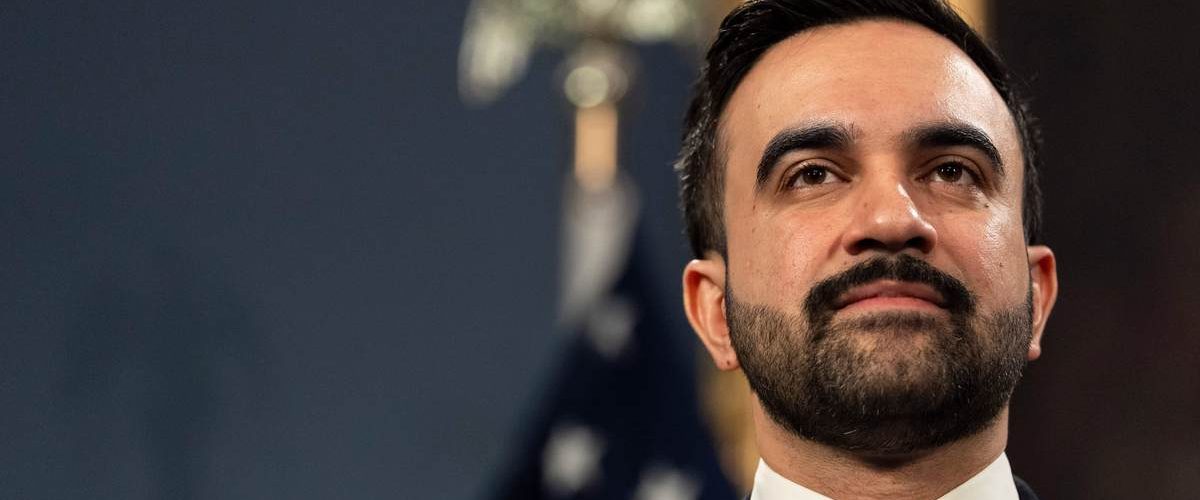
This article recounts a heated exchange after New York City’s mayor published a contentious 9/11 remembrance in 2023, spotlighting Marine veteran and Fox host Joey Jones’s blunt reaction, public backlash from others, and the wider push by families to keep him off Ground Zero ceremonies; it lays out the facts, quotes, and public response without links or attribution clutter.
Joey Jones, a Marine Corps veteran who lost both legs above the knee in Afghanistan, publicly condemned a 2023 post by Mayor Zohran Mamdani that many viewed as minimizing the atrocity of September 11. The mayor had written that nearly 3,000 New Yorkers died that day and added “the death hasn’t stopped,” while noting he also mourned “the hundreds of thousands who died in the wars that followed.” That phrasing triggered anger from veterans and victims’ families who felt the comment blurred the line between the victims and the consequences of the response.
Jones did not hold back. He called Mamdani a “coward” and insisted the victims were murdered, not merely casualties of history. “What a coward,” he replied. “They were murdered. And sleep well at night knowing I and thousands of my brothers did our part to even the f***ing score.” That raw reaction reflects the depth of pain many veterans carry and the expectation that public leaders honor the dead with clarity and moral seriousness.
The post reignited old wounds beyond Jones. Social media amplified outrage, with users and public figures denouncing the mayor’s language and questioning his judgment about 9/11 and its aftermath. “They were murdered. You are an ally of the people who murdered them,” said “Justified” Nick Searcy. Other commenters used stronger language, calling the sentiment “disgraceful” and saying it dishonors every person who died that day and every American who remembered it.
One commenter captured the political fallout bluntly: “It’s hard to think that the place that invented the term ‘Never Forget’ elected this tool as Mayor.” That line of argument is central to why a sizable number of 9/11 families and their supporters object to Mamdani attending official commemorations, especially the 25th anniversary ceremonies at Ground Zero. Many of those families argue his stated views make his presence on that sacred ground an affront to the memory of the victims.
https://x.com/ZohranKMamdani/status/1701209223000916034?ref_src=twsrc%5Etfw
A petition driven by 9/11 families seeks to prevent the mayor from attending Ground Zero events, and it has gathered momentum among those directly affected by the attacks. The petition reportedly has very nearly 100,000 verified signatures, reflecting broad outrage among grieving relatives and advocates who want remembrance ceremonies kept free of political controversy. Those families say their objections are rooted in more than one comment; they cite a pattern of statements and associations that trouble them deeply.
Their concerns include past praise the mayor offered to figures such as Imam Siraj Wahhaj, who was named an unindicted co-conspirator in the 1993 World Trade Center bombing, and comments that some interpreted as blaming the United States for radicalizing extremists like Anwar al-Awlaki. They also criticize Mamdani for appointing a chief counsel who previously defended an al-Qaeda affiliate and for endorsing candidates accused of minimizing 9/11. For families, these connections compound the insult they feel when a leader appears to blur the line between victim and outcome.
Public distrust has political consequences in a city where symbolism matters. Families and veterans argue that Ground Zero commemorations must prioritize the dignity of the dead and the lived experience of survivors and responders. They see Mamdani’s past remarks and associations as inconsistent with that duty and believe officials should err on the side of deference to those who suffered directly.
The debate over who should stand at Ground Zero raises broader questions about leadership, empathy, and historical responsibility. For many veterans and relatives of victims, the issue is not partisan theater but the preservation of a national promise: that those who perished on 9/11 will be remembered clearly and without equivocation. They expect elected leaders to reflect that commitment when addressing sensitive anniversaries and memorials.
Jones’s blunt words cut to that expectation and gave voice to a larger public unease that stretches beyond headlines. Veterans who fought and lost comrades see the moral clarity of calling attackers what they were — murderers — as essential to meaningful remembrance. For them, ambiguity or apparent sympathy for those linked to terrorism is unacceptable at any official commemoration.
The controversy continues to simmer as families and civic groups weigh the appropriate response for the upcoming anniversary events. Discussions about invitations, seating, and protocols at Ground Zero are no longer abstract; they are charged with the personal grief of people who want a solemn, unambiguous tribute to those who died.
In the end, the fight over who is welcome at memorial ceremonies is a test of priorities: whether the rites of remembrance will center the victims and their families or become a battleground for political statements. Those who lost loved ones on 9/11 believe the right choice is obvious and are mobilizing to make sure that choice is reflected in how the city honors that day.

Add comment