
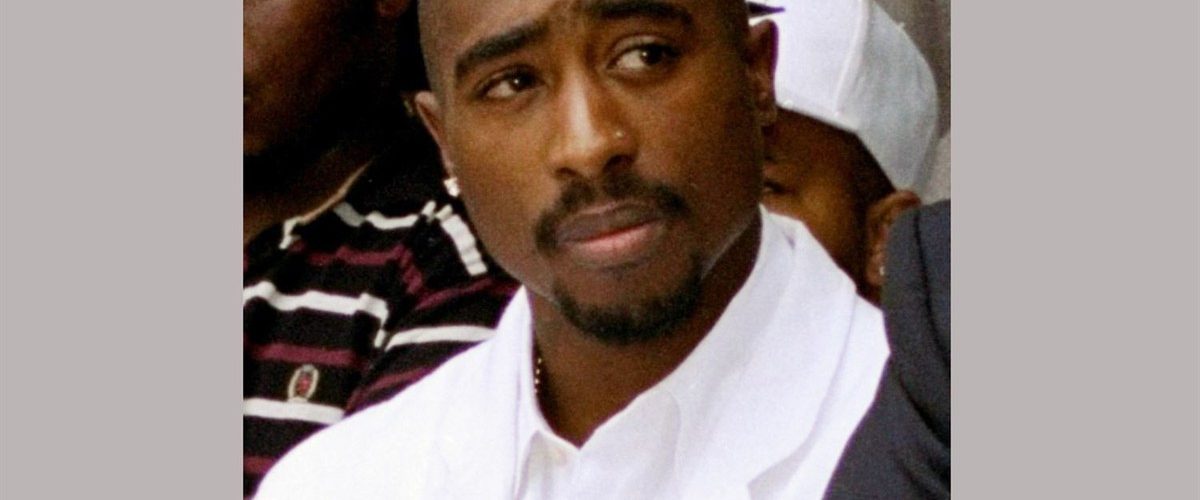
A Las Vegas jury convicted Duane “Keffe D” Davis of first‑degree murder in the 1996 shooting death of rapper Tupac Shakur, ending nearly three decades without a conviction and setting up a life sentence possibility when he is sentenced in October.
The verdict came after less than three hours of deliberation by jurors in Clark County District Court on August 31. Davis, 63, was found guilty of first‑degree murder with the use of a deadly weapon, and he immediately said he planned to appeal the decision.
The court clerk read the verdict before the family reacted in the courtroom. “We, the jury, in the above-entitled case, find the defendant Duane Keith Davis, as follows: Count one, murder with use of a deadly weapon, guilty of first-degree murder with use of a deadly weapon.” Sekyiwa “Set” Shakur cried as the announcement was made, while other family members embraced.
Prosecutors never claimed Davis was the triggerman, but they argued he supplied the gun and joined the group that sought out Shakur and Marion “Suge” Knight after an earlier attack in the MGM Grand. Nevada law allows conviction for murder when someone helps plan or facilitate a killing even if another person pulled the trigger.
The chain of events prosecutors relied on began hours earlier, when Shakur, Knight, and others assaulted Orlando “Baby Lane” Anderson inside the MGM Grand after a Mike Tyson fight. Anderson was a member of the South Side Compton Crips, and prosecutors say that beating prompted Davis and the others to go looking for Shakur and Knight that night.
https://x.com/disclosetv/status/2094580274600321076
Davis has given many accounts over the years, speaking to police, documentary makers, podcasters, and in his 2019 memoir, “Compton Street Legend.” Prosecutors focused on that pattern, saying his location in the white Cadillac and his possession of the gun were consistent themes despite some changing details across interviews.
Recordings of Davis talking about the case were a major part of the prosecution’s presentation. One key clip came from a 2009 police interview where Davis said, “I didn’t tell nobody, nothing, that we killed Tupac.” In trial testimony, prosecutors highlighted statements and recordings that placed Davis in the Cadillac with the men who confronted the BMW carrying Shakur.
Defense attorney Michael Sanft attacked those records and the case’s circumstantial nature. There is still no murder weapon, no DNA, and no fingerprints linking Davis directly to the scene, and defense witnesses sought to cast doubt on whether Davis was even in Las Vegas on September 7, 1996. Sanft told jurors Davis had fabricated or exaggerated his stories for money and attention.
Over nine days, jurors heard from 24 prosecution witnesses and three defense witnesses, covering the MGM Grand fight, rivalries between factions of the Crips and Death Row Records, and the timeline of the shooting. The shooting left Knight wounded and Shakur struck four times; Shakur died six days later at age 25.
Investigators never recovered the gun used in the shooting, and no one was charged in the killing until Davis’s arrest in 2023. By that point, decades of interviews and recordings had accumulated, giving prosecutors material they used to connect Davis to the events and the vehicle involved that night.
Chief Deputy District Attorney Binu Palal emphasized the recurring elements of Davis’s accounts during closing arguments, saying the essential elements did not change and that Davis placed himself in the car and connected himself to the gun. That argument helped the jury reach a unanimous verdict two weeks before the 30th anniversary of Shakur’s death.
Davis faces sentencing on October 13 and could receive life in prison. He stated his intent to appeal immediately after the verdict, so legal proceedings in this case are likely to continue even as he becomes the first person formally convicted in Tupac Shakur’s killing.


Add comment