
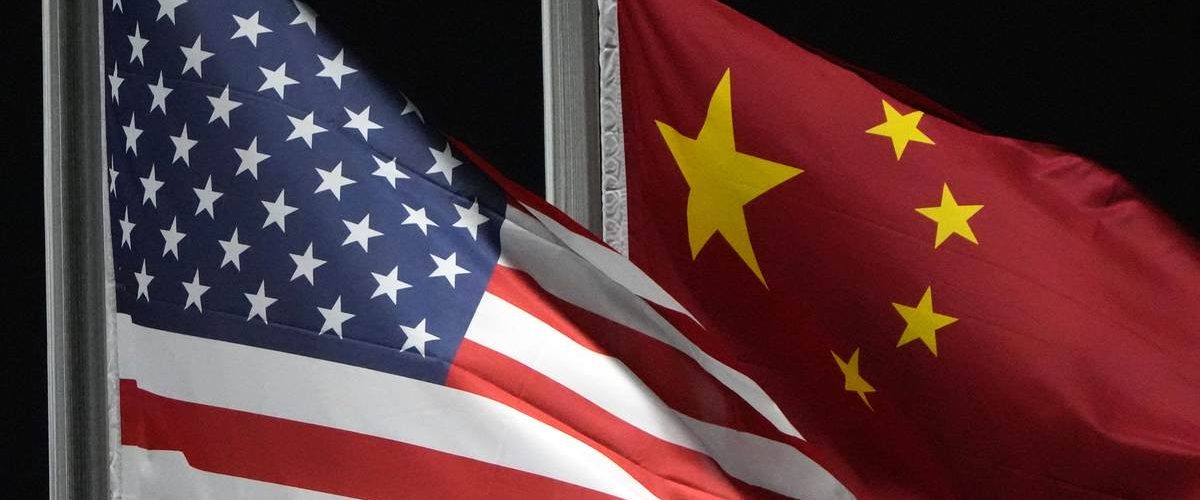
The House voted unanimously to give the Justice Department a dedicated toolset to go after tariff evasion, transshipment, forced labor violations, and other trade crimes that have hollowed out American manufacturing. The Protecting American Industry and Labor from International Trade Crimes Act, known as the PAIL Act, creates a specialized unit inside DOJ’s Criminal Division to focus on cross-district trade cases and to coordinate with border and homeland security investigators. This move follows an executive order tightening import rules and reflects growing bipartisan frustration with decades of schemes that let foreign producers dodge duties and undercut U.S. industry. The focus is clear: hold those who skirt our trade laws accountable and restore a level playing field for American workers and companies.
Congress didn’t tinker around the edges. The PAIL Act directs the Criminal Division to assign prosecutors and support staff whose job is trade crime, to work hand in glove with Customs and Border Protection and Homeland Security Investigations, and to track results for Congress. Prosecutors would be able to pursue criminal and civil actions at the same time, and the attorney general must report annually on indictments, charges, and the program’s spending. That structure is designed to stop investigations from getting lost in general criminal dockets and to keep sustained pressure on sophisticated transshipment networks.
This law is aimed squarely at the practices that let foreign exporters, especially in the People’s Republic of China, dodge U.S. tariffs and undercut American wages. For years companies and middlemen moved goods through third countries, masked origins, or mischaracterized products to avoid duties. That is not trade; it is gaming the system, and it has real consequences for American communities that make steel, aluminum, plywood, and other goods. Congress responded with a tool that centralizes expertise and makes enforcement consistent.
Republicans and Democrats backed the bill unanimously, showing that trade enforcement is one of the rare areas where Washington can still act decisively. Lawmakers like the bill’s Republican co-lead made the case that China has spent decades finding ways to undermine American workers and our economy and that the DOJ needs real tools to stop blatant violations. With unanimous House passage and the Judiciary Committee advancing the bill, supporters now push the Senate to complete the job. This bipartisan support underscores the political urgency of protecting American industry.
“Today’s unanimous House passage of the PAIL Act is an important victory for American workers and manufacturers who have been forced to compete against companies based in the PRC that violate U.S. trade laws. Tariff evasion, illegal transshipment, forced-labor violations, and other trade crimes hurt American workers and undermine our industries.”
There is no lack of examples showing why tougher enforcement matters. Federal prosecutors and investigators have documented schemes where Chinese inputs were brought into the United States disguised as finished goods, or routed through third countries to hide origin and avoid duties. Those schemes have cost American companies and taxpayers dearly, with estimates in some investigations reaching into the billions in avoided duties. Tightening the legal and investigative framework helps close the loopholes that have been exploited for years.
High-profile cases illustrate the point. In one instance, companies agreed to a $549 million False Claims Act settlement after allegedly importing roughly 2.2 million aluminum extrusions, welding them together, and claiming the result was a product not subject to duties. Authorities said the scheme involved roughly $800 million in Chinese extrusions and that duties evaded could reach as high as $3 billion. In another case, a large buyer pleaded guilty and paid a multimillion-dollar fine after importing hardwood plywood routed through a third country to avoid anti-dumping and countervailing duties that exceeded 200 percent.
Those prosecutions relied on piecing together procurement records, supplier histories, pricing behavior, and routing patterns that point to deliberate evasion. Prosecutors described corporate awareness of suspicious supplier behavior and pricing that did not change after duties were imposed as evidence of willful blindness. PAIL aims to equip DOJ with the institutional knowledge and dedicated personnel to detect those patterns faster and bring coordinated cases across districts when transnational schemes are involved.
Domestic industry groups have been pushing for this kind of enforcement for years. Trade associations representing steel and other manufacturers highlighted fraud, transshipment, and duty evasion as persistent problems that undercut American competitiveness. Those messages have landed with a Congress increasingly willing to act to protect U.S. jobs and production capacity. By giving DOJ a focused trade-crime unit, lawmakers are trying to turn industry complaints into sustained federal enforcement rather than episodic investigations.
Now the bill moves to the Senate, where supporters will press for final passage and implementation. If enacted, PAIL would not only improve enforcement but also create transparency through required reporting to Congress. That reporting requirement forces accountability and gives lawmakers the data they need to judge whether the new unit is delivering results for American workers and industries. For those who value fair trade and strong domestic production, this is a step toward making trade fair again.
“For too long, China has circumvented U.S. trade laws by way of fraud, transshipment and duty evasion. These actions have harmed American businesses, including the steel industry.”


Add comment