
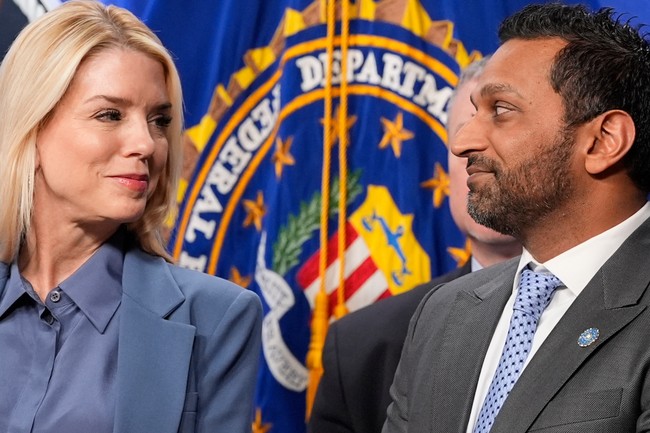
The Justice Department has filed sweeping new charges against 30 people tied to an invasion of a Minnesota church, signaling a firm response to political violence inside places of worship and underscoring that lawlessness won’t be treated as protected protest.
The Trump DOJ announced a set of indictments related to an incident at a St. Paul church where activists forced their way into a worship service. Authorities say about 30 people are now targeted and FBI leadership confirmed more than 20 arrests in the operation. This marks a significant escalation from mere investigations to active prosecutions.
Video footage from the scene, including material captured by a former network host who was present, reportedly played a large role in the case. That individual has since been charged for alleged coordination and participation in the event, according to prosecutors. The evidence appears to close the gap between rhetoric about protest and the reality of criminal conduct.
What happened at Cities Church crossed a clear line: blocking exits, disrupting worship, and intimidating parishioners are criminal acts, not protected expression. For years many on the left have pushed boundaries under the guise of protest, and here those tactics hit a house of worship. The government moving decisively sends a message that sacred spaces and public order will be defended.
These charges were brought under the FACE Act, the same statute that was used aggressively against pro-life activists in recent years. That symmetry is worth noting: laws used by one administration can be used by the next, and political actors who cheered prosecutions before should not be surprised to see similar tools applied now. The point is simple — the rule of law matters regardless of which side you favor.
SEE: After Latest Revelations, Don Lemon Should Probably Lawyer
Some will call this selective or partisan enforcement, but enforcement follows conduct. When protesters cross into violence, harassment, or unlawful confinement, criminal statutes apply. The FACE Act is currently on the books, and prosecutors are rightly using it where they allege its elements are met. If past administrations chose to pursue cases aggressively, it’s reasonable for the current DOJ to do the same when presented with evidence of wrongdoing.
Expect predictable complaints about free speech and peaceful protest from sympathetic commentators, but the facts here are stark: an organized group allegedly entered a worship service and interfered with people trying to worship. That isn’t protest; it’s an invasion. The legal system has to distinguish between shouting in a plaza and physically obstructing a congregation.
There’s also a practical political lesson. If one side treats civil disobedience as a tactic without real consequences, they invite escalation and normalization of lawlessness. Conservatives have long warned that tolerating extreme tactics breeds more extreme behavior, and this prosecution illustrates why accountability matters. The goal is to deter future attacks on churches and other vulnerable institutions.
Still, skepticism about courtroom outcomes is natural. Some judges may be inclined to view protest through a forgiving lens, and defense teams will press any procedural or constitutional arguments they can find. Evidence and common sense don’t always guarantee convictions, but robust charging decisions force courts to address the conduct on the record.
Beyond individual cases, there’s a broader enforcement question: will statutes like the FACE Act be applied evenly going forward? Consistent application of the law is the only credible antidote to charges of hypocrisy. If the DOJ intends to protect public safety and religious freedom, it must pursue cases across the political spectrum when facts warrant it.
For those worried about slippery slopes, remember this distinction: law enforcement’s role is not to police ideas but to stop crimes. When protests cross into obstruction, harassment, or threats inside a place of worship, prosecutors have both a legal and moral duty to act. That duty does not bend to partisan convenience.
The Minnesota case will be watched closely as a test of how the justice system balances civil liberties with the need to preserve order and protect religious practice. The charges and arrests are a clear sign the administration prefers enforcement over excuses when public safety and sacred spaces are at stake. How courts respond next will shape expectations about protest, accountability, and the limits of tolerated activism.

Add comment