
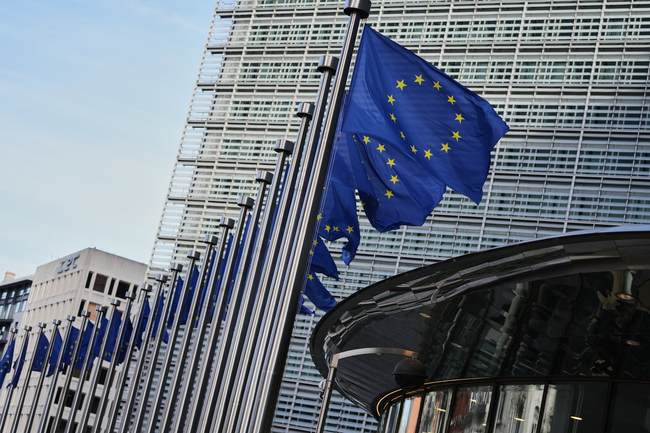
The State Department has updated its travel guidance for Belgium, citing rising concerns about petty crime, terrorism risks, and civil unrest, and this shift reflects broader worries about stability in parts of Western Europe and border pressures in Spain. The advisory raises the alert level and highlights common-sense precautions for Americans, while critics argue the situation is a symptom of larger policy failures on migration and public order. Below, I lay out the facts, official warnings, and a plainspoken Republican perspective on what this means for travelers and for transatlantic security.
Belgium has long been a magnet for tourists drawn to its history, architecture, chocolate and beer, but the new guidance marks a clear change in tone from U.S. officials. The State Department bumped Belgium to Level 2, “Exercise Increased Caution,” calling out petty crime in crowded areas and warning visitors to stay alert. That shift matters because it signals official concern about everyday safety and the potential for more serious incidents.
Americans traveling to Belgium are facing a renewed travel warning from the U.S. State Department after officials cited concerns about crime, terrorism and civil unrest.
The department recently increased Belgium’s advisory to Level 2, “Exercise Increased Caution” — urging travelers to remain alert while visiting the European country.
Known for its medieval cities, historic landmarks, chocolate and beer, Belgium attracts millions of visitors from around the world each year.
Petty crime like pickpocketing and purse snatching is especially common in tourist hubs, the advisory notes, and those incidents can sour a trip or worse. The State Department’s language is straightforward: “Most crimes against foreigners are crimes of opportunity, like purse snatching and pickpocketing.” That plain description is useful because Americans deserve clear, direct warnings about realistic risks they might face abroad.
The updated advisory warns that petty crime is common, especially in popular tourist areas.
“Most crimes against foreigners are crimes of opportunity, like purse snatching and pickpocketing,” the State Department said in its advisory.
Beyond petty crime, the department warned that Belgium remains at risk for terrorist attacks and related activity.
Officials also cautioned that large, generally peaceful demonstrations related to the local political situation can occur and may disrupt transportation and other essential services.
Notice the last line: demonstrations can be “generally peaceful” yet still disrupt transport and essential services. “Generally peaceful?” Yeah, that phrasing rings familiar and frustrating, because it has often been used to minimize disorder that has real public-safety consequences. Travelers need to factor in potential disruptions when planning trips and not assume a protest will stay calm or limited to a single neighborhood.
Meanwhile, the same international dynamics pressuring Belgium are visible elsewhere in Europe. The State Department recently raised an advisory for Spain’s Ceuta to Level 3, “Reconsider Travel,” after large migrant crossings created chaotic conditions on the ground. That episode involved tens of thousands crossing into Spanish territory, prompting Spanish authorities to deploy military and police forces to restore order.
Those events expose a policy failure as much as a humanitarian issue. When borders and migration controls break down, the immediate effects are security problems, social strain, and a decline in everyday safety for residents and visitors alike. From a Republican viewpoint, these developments underscore the need for tougher border controls and firmer immigration enforcement across Europe and beyond.
I spent time in Germany, France and Ireland, and the change is palpable: places I once felt comfortable visiting now give me pause because of rising disorder and uneven political responses. Open-border policies and political leadership that downplays security concerns have consequences, and Europeans are seeing some of those consequences play out in real time. That reality is part of why U.S. citizens should pay attention to travel advisories and why policymakers should pay attention to the causes behind them.
Practical travelers should take simple precautions: avoid crowded tourist hotspots at night, secure valuables, follow local news, and be prepared for disrupted transport if demonstrations arise. Those are basic steps, but in the environment the advisory describes, basic steps matter a lot. The State Department is doing its job by updating guidance; the larger job is fixing the policy choices that let these problems grow.
Editor’s Note: Thanks to President Trump and his administration’s bold leadership, we are respected on the world stage, and our enemies are being put on notice.

Add comment