
Checklist: assess fundraising gaps, explain grassroots concerns, outline what Texas GOP must fix, highlight fundraising numbers and key quotes, and preserve embedded media.
Friday was Lyndon Baines Johnson Day in Texas, and Democrat James Talarico spent the occasion meeting with Luci Baines Johnson, a symbolic moment his campaign quickly framed as staking a claim to LBJ’s old Senate seat. That move drew scorn from conservatives and stirred chatter among GOP activists who worry it signals Talarico’s reach into voters the party needs to hold. The core worry is not just symbolism but momentum and money shifting toward a Democrat in a state Republicans have long treated as safe.
After this meeting, Talarico has added to his campaign spin that he is running for Lyndon Baines Johnson’s Senate seat. That messaging plays to nostalgia and to minority outreach, even as conservatives point out LBJ’s history and question the effectiveness of the appeal. On social media the reaction was mocking, but the deeper concern is strategic: donors and voters are re-evaluating where their energy and checks should go.
https://x.com/jamestalarico/status/2093159084929245522
On the ground, Republican strategists and precinct leaders are sounding alarms. Rebecca Trahan, a Harris County GOP precinct chair, argues the local and state GOP may be driving disaffected voters toward Talarico out of frustration with the party establishment. Trahan warns that bitterness over primary fights, distaste for Ken Paxton, or complacency about Texas’s red status could hand the Democrats the upset they want.
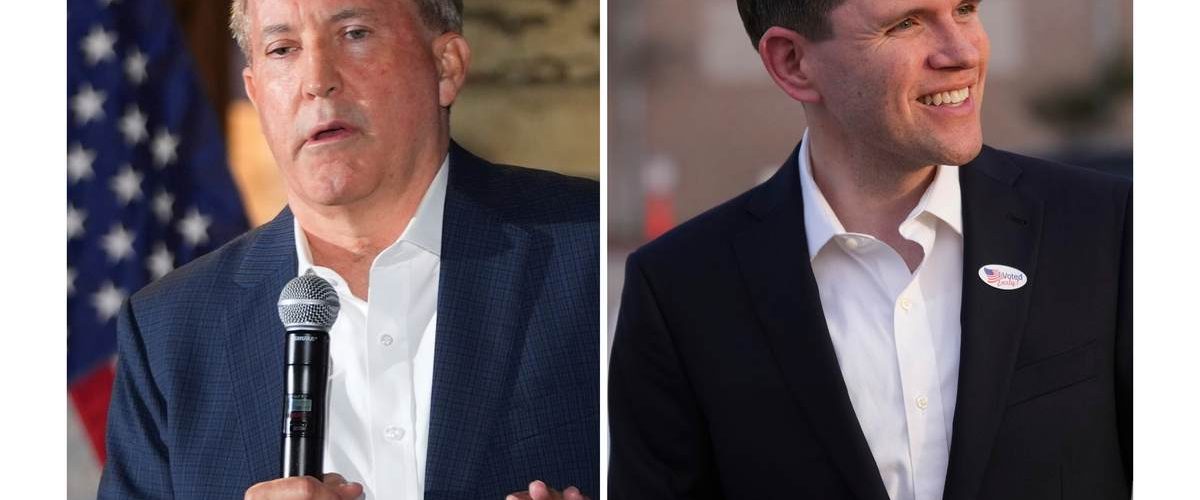
Political messaging matters, but so does cash. Talarico’s campaign has a massive fundraising advantage: $72 million raised overall, including $31.6 million in the most recent quarter. By contrast, Ken Paxton’s campaign has reported $16.8 million in total, with $9.3 million coming in the prior quarter. Those figures change the battlefield immediately when television markets and GOTV operations demand big money.
Talarico’s fundraising allows him to buy visibility and ads at scale, while Paxton scrambles for national help and donors who still back him. Some prominent conservatives who could have been big boosters have held back or redirected funds elsewhere. That reluctance creates a dynamic where expectations of a rescue from major GOP committees have not materialized, leaving local activists to shoulder the turnout burden.
Sen. Ted Cruz publicly warned Republicans earlier in the cycle that Talarico could flip Texas, calling the race close and saying the polls show it as a one- to two-point contest. That blunt message underscores why grassroots engagement and disciplined messaging are essential over the next two months. If national committees assume Texas is safe and delay investment, the GOP risks finding itself on the defensive in a state that has less margin for error than it once did.
As someone who has been involved in politics over 30 years, I have seen this trend, and every time Republicans have gotten wiped out.
[In the past,] Texas has had overwhelmingly more registered Republicans, but now Democrats hold the majority. [There are] so many frustrated, abandoned, and disaffected Republican voters who have been driven to the Independent Party, who right now are leaning towards Talarico, but could still vote for Paxton. The Independent Party today comprises 16.24 percent of Texas voters.
National players are porous. Some big-name conservative funders and groups are keeping their powder dry, playing a game of chicken over who will spend first and how much. That caution has opened the door for Talarico’s war chest to define the narrative and inflate his reach into suburban and independent voters who decide close races. The political calculus for donors now weighs whether to prop up Paxton or let the race run and regroup later.
President Trump has recently stepped into the fold to campaign for Paxton and help fundraising, and reports suggest major private war chests are shifting to support the Republican effort in Texas. Those interventions matter and can move the needle, but they are not a silver bullet. Ground game and local enthusiasm remain decisive in tight contests, and national stars without coordinated local strategy can only do so much.
Trahan and other GOP operatives emphasize that the fix is straightforward: unify message, mobilize precincts, and engage disaffected voters with a clear story about why keeping the seat matters. Money must be combined with boots on the ground and an aggressive field plan that brings independents and former Republicans back into the fold before early voting concludes. Without that alignment, fundraising numbers alone won’t save the seat.
While I believe Paxton can win and have been advocating for him since January, we are in trouble. Unless we have leadership who welcomes and embraces unity and victory, not only will James Talarico be elected, but we will return to a blue state that does not elect any Republicans for decades.
The next several weeks will test whether national GOP forces coordinate effectively with Texas grassroots leaders who know the terrain and voter concerns. Paxton’s path back into contention requires both financial replenishment and energized local outreach that converts money into votes. The clock is short, and the outcome will hinge on how well Republicans balance cash, message, and the precinct-level work that wins elections.


Add comment