
Checklist: recap Spain’s World Cup win over Argentina; note Messi and MLS implications; share personal viewing habits and sports burnout; discuss interest in WNBA and the Golden State Valkyries; cover the Angel Reese controversy and the Brondello suspension.
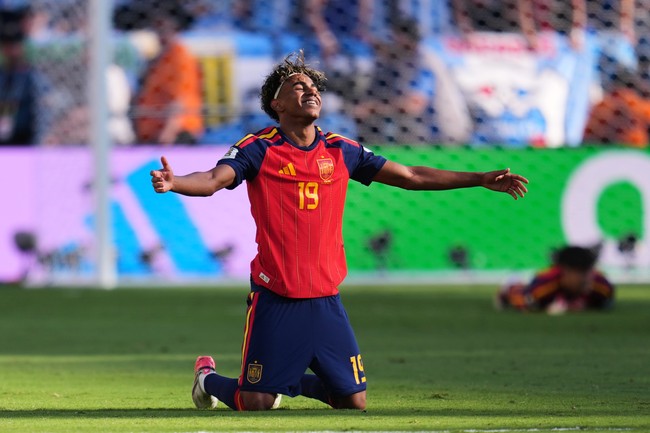
Spain topped Argentina 1-0 in the World Cup final on July 19, 2026, in a match that felt overwhelmingly one-sided from the opening whistle. Spain dominated possession and chances, outshooting Argentina 12-0, and held Lionel Messi and his teammates largely in check. The final scoreline did not fully convey how complete Spain’s control was during the game. For neutral observers, it was a clear demonstration of tactical discipline and defensive organization.
Messi’s club situation adds another layer to the story since he plays in MLS for Miami, which resumes league play on Wednesday, July 22, 2026. There’s a mix of excitement and dread across the U.S. soccer scene about how World Cup fatigue or momentum might affect MLS matchups. For many Americans, interest in soccer spikes during the World Cup and then falls back to baseline quickly. Still, the narrative of Messi returning to U.S. club soccer after a high-stakes international loss will be hard to ignore.
I enjoy watching soccer, though it sits lower on my personal list of must-see sports. After the World Cup marathon, I’m experiencing a bit of burnout and a craving for other seasonal sports. Baseball is available, but my enthusiasm is tempered by my chosen team’s struggles and looming labor issues that could disrupt future seasons. That uncertainty makes it tougher to pour energy into baseball right now.
Football and hockey are the sports I’m ready to welcome back with open arms, mainly because they feel like reliable seasonal anchors. Meanwhile, the WNBA has captured a fair bit of my attention lately, and for good reasons beyond headline drama. There’s a different kind of competitive intelligence and team structure that has been delivering consistently entertaining basketball this summer.
The Golden State Valkyries are a prime example of a balanced roster doing things the right way, sitting high in the standings and riding a long winning streak. They don’t rely on a single superstar to carry every night, which forces crisp teamwork and shared responsibility. That collective approach produces efficient offense and stout defense, a combination that many NBA teams could learn from if they cared to pay attention. Veronica Burton stands out as a player who brings hustle and defensive tenacity on both ends of the court.
Across the league, Caitlin Clark has continued to draw attention and comparisons to past greats because of her court vision and scoring instincts. She remains one of the most compelling individual talents in the game, and her style changes how teams prepare each night. The league’s on-court product has moments of brilliance and plenty of storylines that keep me tuning in despite past frustrations with league management.
The WNBA’s ongoing off-court circus has been hard to ignore, however, and it often overshadows the basketball for casual viewers. A recent episode involved Toronto Tempo head coach Sandy Brondello, who used the phrase “protected species” while complaining about officiating in a game against Angel Reese’s Atlanta Dream. In Australian sports vernacular, that expression is used to accuse opponents of getting preferential treatment, but the remark ignited a larger controversy. The league responded by suspending Brondello for one game, a decision that fed debates about sensitivity, accountability, and consistency within the WNBA.
Angel Reese’s reactions and social media presence have amplified every incident she’s involved in, which in turn influences how fans and officials perceive situations on the court. The mixture of public persona, competitive intensity, and league governance makes for a combustible mix any time a high-profile player is involved. The resulting headlines do the WNBA no favors when they distract from the product on the hardwood.
So after a weekend of international soccer drama and domestic sports crosswinds, the landscape feels familiar: a global event wraps up, club play resumes with its own storylines, and another sport steps into the spotlight for those of us ready to change channels. The sports calendar keeps turning, and with it comes fresh debates about officiating, labor disputes, and which teams or players will define the next stretch of memorable moments.


Add comment