
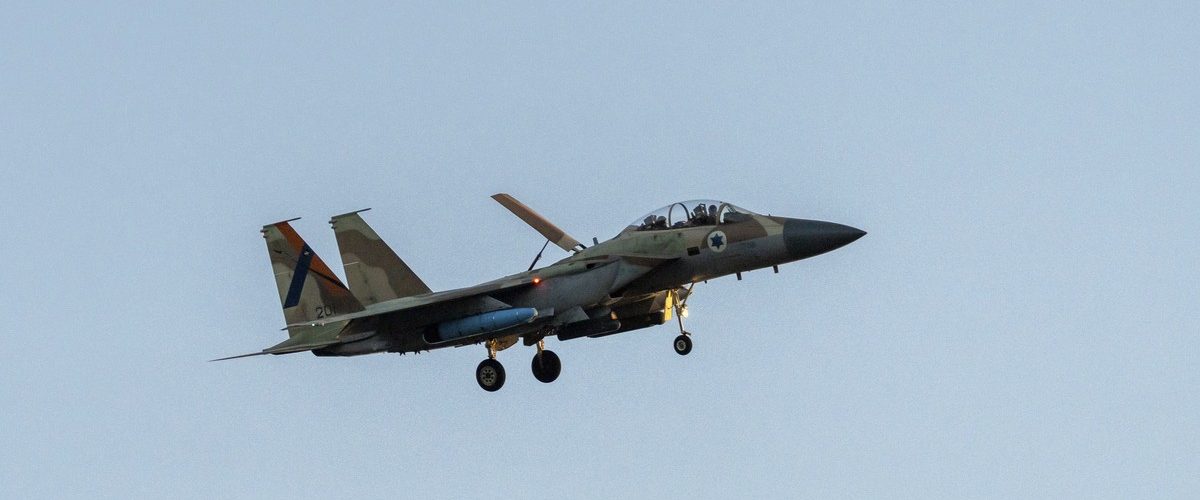
Israel’s defense chief warned that any Iranian strike would trigger an uncompromising Israeli response focused on Tehran’s infrastructure, especially energy targets, and Israeli leaders say those steps would be intended to cripple the regime’s ability to recover. Officials point to chokepoints like Kharg Island as likely strategic targets while stressing that an attack by Iran would mark a desperate escalation. The rhetoric underscores a tense standoff: Israel is preparing options, Iran faces crippling economic pressure, and the risk of a lash-out grows if Tehran senses its endgame is near.
Israeli Defense Minister: If Iran Attacks, the Gloves Come Off
The message from Jerusalem was blunt and public. At a Jewish New Year event with Defense Ministry staffers, Defense Minister Israel Katz warned that if Iran launches any attack against Israel, it can and should expect an overwhelming response aimed at Iran’s energy infrastructure. That line of warning was delivered with clear intent to deter, but also to signal what targets Israel would consider legitimate in retaliation.
Defense Minister Israel Katz warns that if Iran attacks Israel, the military will target all of the regime’s infrastructure, “including energy infrastructure.”
“There are signs we are seeing that indicate that the heavy economic pressure Iran is under and the fear of an uprising and the fall of the regime could push them to desperate measures,” Katz says at a Jewish New Year toast with Defense Ministry employees.
“An Iranian attack on Israel will free us from all constraints. We will strike all infrastructure — including energy infrastructure — and return Iran to the Stone Age and darkness,” he says.
The strategic calculus behind that rhetoric is straightforward: hit what sustains the regime and you may force a political collapse or at least an irreversible weakening. One likely target identified by analysts is Kharg Island, the chokepoint through which roughly 90 percent of Iran’s oil exports flow. Neutralizing that facility would inflict a massive economic shock and severely limit Tehran’s ability to finance any recovery or military reprisals.
Those possibilities explain why such targets have not yet been taken out. Any future Iranian government would need oil revenue to rebuild after years of sanctions and internal mismanagement, and attackers must weigh the long-term consequences of destroying the very infrastructure a successor regime would depend on. That restraint is tactical, not moral; Israeli leaders are signaling they will remove the restraints if Iran makes the first violent move.
Katz emphasized that the Iranian regime “knows very well” why it has recently avoided attacking Israel.
“We attacked them with force,” said Katz. “We destroyed their nuclear program, we assassinated (former supreme leader) Khamenei, and we severely damaged their strategic capabilities.”
He added that the heavy economic pressure being applied by US sanctions against Iran is “likely” to push the regime “to the brink of destruction.”
Israel’s warnings leaven deterrence with a promise of escalation that would target the regime’s survival tools. Prime Minister Benjamin Netanyahu added his own blunt commentary, telling audiences that a strike from Tehran would likely be “one of their last decisions” and that Tehran already understands the consequences of attacking Israel. That public posture reinforces Israel’s aim to make any Iranian calculus about an attack painfully clear.
Prime Minister Benjamin Netanyahu warned that a potential attack from Tehran would be “one of their last decisions,” as he addressed the ongoing fighting in the Gaza Strip and threats from Iran during a visit to the Afiki Daat Hesder Yeshiva in Sderot on Wednesday.
“Pay attention also to what is happening with Iran,” said Netanyahu. “They are attacking and threatening everyone, but not here, because they already know what the significance of an attack against Israel would be.”
The Islamic Revolutionary Guard Corps remains the dominant force inside Iran’s security apparatus and is not predictable when cornered. If IRGC leaders conclude their regime faces imminent collapse, they could authorize a desperate, large-scale attack that ignores long-term consequences. Israeli statements suggest they are treating that scenario as credible and are preparing responses that would aim to end Iran’s ability to project power.
History and recent operations feed into this standoff, with both covert actions and overt sanctions shaping Tehran’s options. Desperate actors can be the most dangerous, and Israeli officials are signaling readiness to turn the screws on infrastructure that keeps the regime afloat. The coming weeks will reveal whether these warnings deter escalation or whether Tehran tests Israel’s resolve with a costly, last-ditch strike.


Add comment