
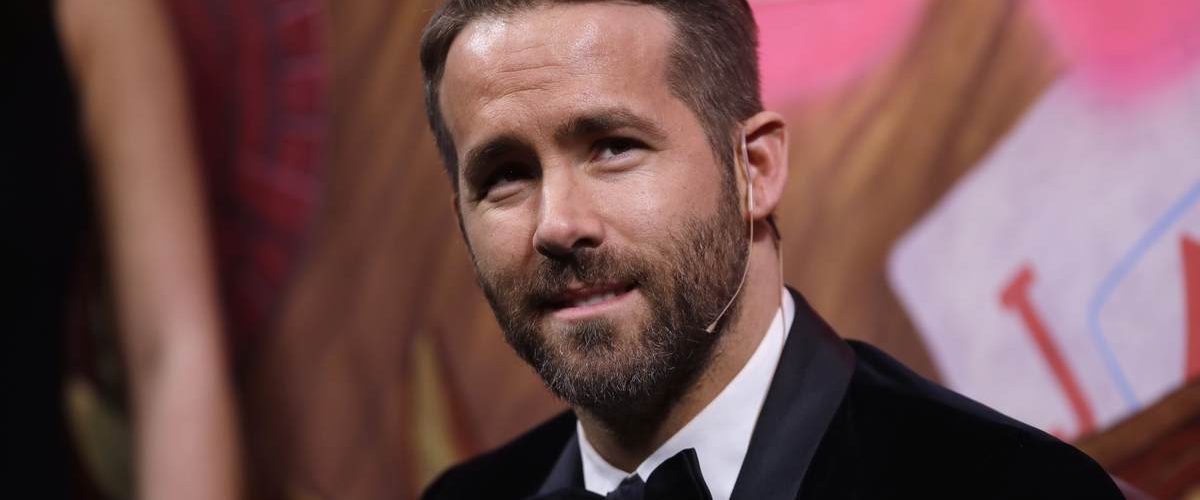
I’ll take apart Ryan Reynolds’ jab at the 1980s, push back with a conservative perspective, highlight why that era matters to many Americans, show the public reaction, and note the cultural context without rewriting history.
Ryan Reynolds has built a likable public image by staying mostly out of political fights, so his recent comments about the 1980s landed like a surprise cheap shot. Plenty of people who lived through that decade reacted strongly because they remember a very different America than the picture he painted. When a celebrity dismisses an entire era as a mess, it raises questions about who gets to define the past.
In an interview Reynolds said, “The 80s was a brutal, brutal time for people,” he said for some reason. “It was a fu**ing mess and people forget that. It was a tremendous strife. Socio political tensions everywhere. We were still pretty fresh off a Cuban missile crisis, which was only 15-20 years before. It’s a tumultuous period, but you look back at it now and you’re like, ‘Oh, yeah. ‘Top Gun.’ Cocaine!’ Like, ‘No!’ It was really scary.” That line hit like a provocation to anyone who values the decade for its patriotism and cultural optimism.
For a lot of Americans the 1980s are tied to clear, positive memories: Fourth of July celebrations, neighborhood barbecues, and a renewed sense of national confidence after Cold War tensions. That confidence mattered because it came from values like personal responsibility, economic freedom, and a belief in American strength abroad. Calling that whole period a disaster erases the real improvements that helped lift millions into better lives.
https://x.com/Variety/status/2095288158862844330
The critique Reynolds offered lumps together legitimate anxieties of the era with a caricature that overlooks context. Yes, the Cold War created real fears, and yes, social problems existed then as they do now, but the decade was also one of robust economic growth and cultural vitality. For conservatives, the 1980s symbolize a time when America leaned into its strengths instead of apologizing for them.
People responded on social media and in comment sections with a mix of indignation and humor, defending the decade as formative and proud rather than merely frightening. That reaction is not nostalgia for its own sake; it’s a defense of how many Americans were raised and the values they were taught. When someone in Hollywood dismisses that experience, it reads as an attack on ordinary people, not just a critique of a cultural moment.
Beyond sentiment, there’s a political point: the 1980s produced policies that reshaped the economy and global posture in ways conservatives still champion. Deregulation, tax reform, and a firm stance against Soviet expansion are cited by supporters as pivotal moves that restored American competitiveness. To dismiss the era wholesale risks throwing out lessons conservatives see as essential to rebuilding prosperity today.
The cultural critique Reynolds offered also misses how entertainment from the decade reflected mainstream pride rather than constant fear. Movies, sports moments, and pop songs from that time are woven into family histories and civic rituals. So when an A-list actor labels it a “fu**ing mess,” he’s not just criticizing policy; he’s trivializing personal memories and collective achievements.
There’s also an irony in modern cultural elites lecturing about past turmoil while ignoring present-day consequences of nanny-state thinking and surveillance tech. The fall of the Berlin Wall was a real victory for freedom, and many who fled communist regimes still see the United States as their safe haven. Comparing that reality to a vague sense of “tremendous strife” glosses over why millions sought refuge here and what made America distinct.
Finally, the episode shows the risk celebrities face when they wade into history and politics without acknowledging the nuance. A remark meant to provoke can backfire by rallying people who feel their experiences are being mocked. If Reynolds wanted to spark debate, he succeeded, but he also reopened wounds about how some cultural elites view everyday Americans and their memories of a time many remember fondly.
The barbs aimed at the 1980s have produced an online pushback that’s equal parts defensive and amused, with many insisting the decade deserves more credit than Reynolds gave it. Whether you agree or not, it’s clear that throwing out a blanket judgment about a whole generation invites a sharp response from those who lived it and from conservatives who defend its legacy.



Add comment