
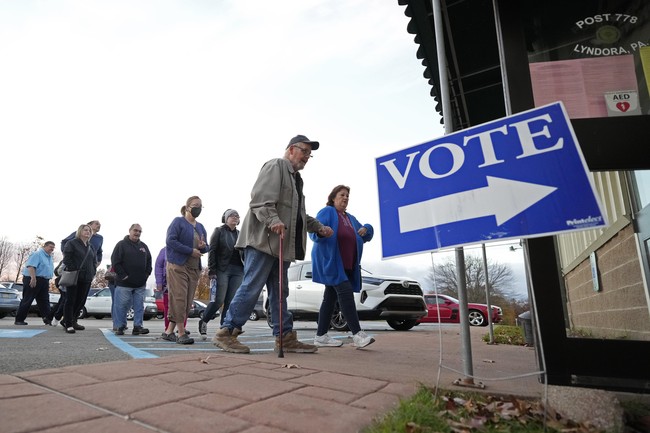
Pennsylvania’s recent record shows why local elections matter: decisions about school choice, energy, and budgets are shaped by who wins the small races, and the consequences are real for families, kids, and taxpayers. This piece argues from a conservative perspective that letting those local contests slide hands power to political opponents and special interests, producing policy outcomes that conflict with conservative values of accountability, fiscal responsibility, and opportunity.
I have focused on conservative principles like hard work, honest government, and leaders who keep their word. Those are the building blocks of an America First approach that prizes local control and accountability. When Republicans ignore school boards, state legislative primaries, or municipal contests, those principles get crowded out by other priorities.
Consider school choice: the Educational Improvement Tax Credit helped fund more than a million scholarships over 25 years and gave families options when public schools were failing. Before he became governor, Josh Shapiro indicated support for protecting and growing that program, but his actions since have told a different story. He vetoed a voucher measure called Lifeline Scholarships in 2023 and has remained noncommittal even as a federal program modeled on Pennsylvania’s approach moves forward in other states.
That silence has a dollar figure attached. Estimates suggest Pennsylvania could miss out on anywhere from $32 million to nearly $1 billion in funding intended for working-class students. Those are not abstract losses; they are fewer scholarships, fewer choices, and more children stuck in schools that do not meet their needs. Seats on state legislative committees determine whether programs like this get renewed or killed, and those seats are won or lost in local races.
Energy policy shows another cost of ceding local and regulatory control. Families have seen utility bills climb, and while a governor can stage public fights with regional operators like PJM or pressure utilities, talking tough after bills rise does not fix the underlying rules set long before a crisis. Rates and reliability hinge on the regulators and lawmakers who sit on boards and vote on policy, positions often decided in down-ballot contests few voters pay attention to.
Citizens Alliance spokesperson, Michelle Backus, explains, “Pennsylvania is sitting on a gold mine. The Marcellus Shale formation underlies roughly two-thirds of the state and holds an estimated 250 trillion cubic feet of natural gas. We are an energy exporter. We produce more natural gas than almost any state in the nation. We should be flush with affordable, reliable power.” Those facts make it plain that poor policy choices and the wrong appointees, not resource scarcity, are driving higher costs for households.
When conservatives fail to contest the offices that set energy and regulatory policy, the results are predictable: higher bills, less reliable service, and a loss of economic advantage for Pennsylvania. The free market, not centralized price control, is the mechanism that typically delivers fair prices and innovation, yet the boards and commissions that shape market rules are filled through appointments and elections most people ignore.
Budget management is the third front where local outcomes matter. Under Shapiro, Pennsylvania has experienced three late budgets, with one delay stretching months and wrecking a school voucher deal. Late budgets disrupt schools, counties, and service providers that depend on predictable funding schedules, and those delays trace back to which party controls legislative majorities. Legislative majorities are assembled seat by seat, and those seats are often decided in precincts that voters skip.
Allowing the wrong people to hold the pen on budgets produces dysfunction that lands squarely on constituents. When the opposition controls a chamber because conservatives stayed home for low-profile races, the state ends up negotiating under worse terms and with fewer guardrails on spending. That’s why local turnout matters as much as statewide races; it determines who sits at negotiation tables and who writes the line items.
Josh Shapiro built his image as a practical moderate, but his record shows priorities that lean hard into big-spending Democratic approaches while masking them with moderate rhetoric. That strategy matters because it translates into policy outcomes that expand spending and empower union bosses and special interests. The tangible consequences are scholarship programs blocked, higher utility bills, and delayed budgets that harm everyday Pennsylvanians.
None of these outcomes are random. They follow from a simple civic reality: the people who fill school boards, regulatory panels, and state legislative seats shape policy. If conservatives want different results, the effort has to start at the local level, contesting the seats that build the foundation for statewide choices and pushing back against the habit of skipping the contests that seem small but decide the big issues.
Election results are built one district at a time. When conservative voters disengage from primaries, municipal races, and statehouse contests, they leave the field to opponents who will make policy choices that run counter to conservative values. Winning the governorship matters, but the practical power to protect families’ wallets and children’s opportunities often resides in the less glamorous races that too many assume don’t matter.



Add comment