
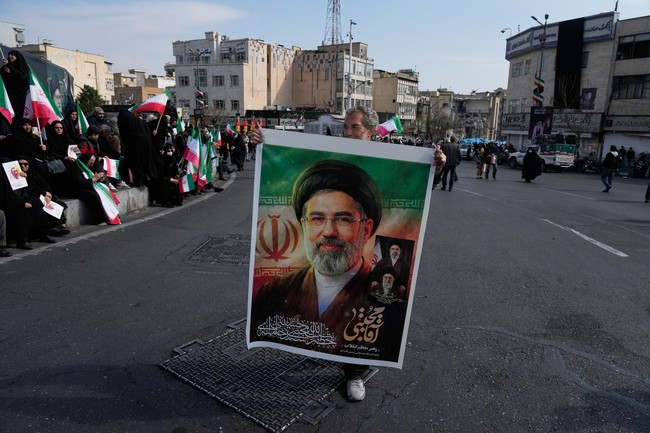
I’ll lay out how Iran looks after sustained strikes, why the regime’s leadership appears hollow, what exiled voices are saying about a supposed AI leader, how the power structure is unraveling on the ground, and why decisive action from allies matters now more than ever.
The recent campaign of strikes has drastically altered Iran’s sense of invulnerability, and that reality is finally seeping into public commentary and opposition circles. From a Republican standpoint, decisive pressure is the clearest path to stopping further aggression and protecting allies in the region. The regime that once projected certainty now struggles to show a living, credible commander at its helm, and that is a sign of strategic vulnerability.
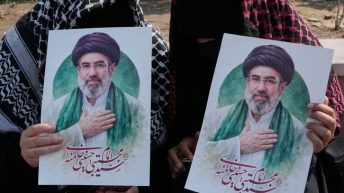
Reports that the figure presented as Supreme Leader has not been publicly seen since the operation began speak to a larger crisis of command and narrative control inside Iran. The gap between official statements and verifiable presence has opened a space for ridicule and resistance. When a government cannot credibly show its own leader, the regime loses both legitimacy and morale among its ranks.
Exiled analysts who follow Tehran closely are blunt about what they see. Khosro Isfahani, a Research Director in exile, told CNN that the regime is resorting to fabricated or stale images and footage to shore up appearances. He went even further with the line, “We are dealing with an impotent young cleric who has all the charisma of a boiled potato,” a phrase that captures how flimsy the leadership looks to opponents and the public alike.
That assessment matters because perception shapes obedience inside authoritarian systems. If commanders, security forces, and rank-and-file officials doubt who is really giving orders, coordination breaks down. Isfahani’s blunt observation, “That’s the man we are dealing with,” underlines that this is not just mockery; it’s a description of how enemies and citizens now evaluate power in Tehran.
Beyond optics, the regime is losing personnel and infrastructure key to its survival. Opposition voices inside and outside Iran point to targeted removals of influential figures tied to the hardest repression episodes. The removal of those individuals weakens the network that had maintained internal control for decades, and it complicates any attempt the regime might make to stabilize the country after a crisis.
Arguably the most important element in the current pressure campaign has been the targeting of the Basij and other internal security organs that enforce Tehran’s will on the streets. Isfahani highlighted how striking at those “arms” of the regime has shaken the system—hundreds reportedly sidelined, and others too fearful to show up for work. When the enforcement mechanism falters, popular discontent can grow into sustained resistance.
On social platforms, hardline language has mixed with humor and derision aimed at the regime’s leaders. Isfahani declared, “This is the last battle for our homeland,” and followed with, “We won’t miss this chance,” capturing a determination among dissidents to seize a moment of weakness. That kind of resolve, amplified by battlefield setbacks and leadership fragility, can accelerate political shifts inside authoritarian states.
One high-profile strike that drew dramatic footage and strong reaction reportedly hit an ammunition dump at a military facility, sending a shock through Iran’s security apparatus. The explosion and the popular response to it showcased both the physical damage being done and the degree to which ordinary Iranians are fed up with the regime’s choices. Multiply that sentiment across the country, and you begin to see why outside pressure can have strategic effects beyond the immediate military tally.
In short, the combination of targeted strikes, leadership uncertainty, and emboldened opposition presents a rare moment of leverage for the United States and its partners. From a Republican perspective, maintaining clear, consequential pressure — including strong coordination with Israel and regional allies — offers the best chance to diminish Iran’s capability to wage aggression. A hollow leadership cannot meaningfully withstand a campaign that removes its capacity to intimidate neighbors and control its people.
The unfolding events make one thing clear: when an adversary’s propaganda is exposed and its security forces are degraded, the path to a safer region becomes possible. That’s why firm, well-executed actions now matter far more than equivocation. The sooner the regime’s destructive reach is neutralized, the sooner stability and security can take hold for the countries threatened by it.
Add comment