
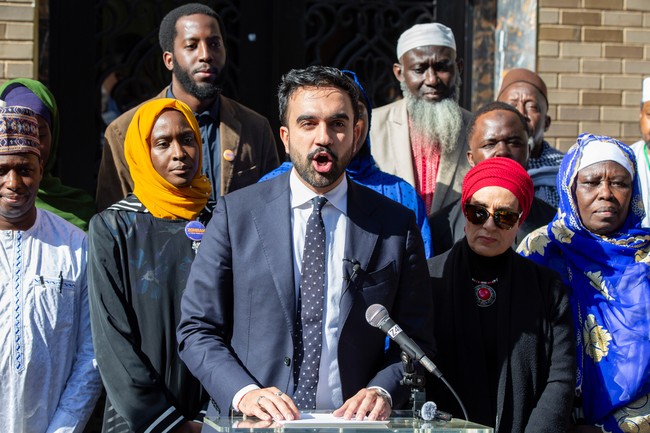
I’ll explain why Mayor Zohran Mamdani’s Ramadan visit to Rikers matters, describe the contrast between his gestures and public safety concerns, quote his words and critics verbatim, note the policy context around Rikers and jail reform, and highlight the missing focus on crime victims in his public gestures.
New York City’s mayor made headlines by celebrating Ramadan inside Rikers Island, sharing a meal with incarcerated people at a facility notorious for violence and dysfunction. The optics are immediate and sharp: a progressive mayor stepping into the city’s most infamous jail to break fast with inmates while many New Yorkers are still worried about violent crime. For Republicans and many voters who prioritize law and order, this kind of public embrace of those detained at Rikers sends the wrong message about priorities and respect for victims.
The mayor framed the visit as a lesson in compassion and dignity, posting about the evening on social media. He wrote, “It was a night that will stay with me for quite some time. People sharing what little they have: breaking bread, offering prayer, making space for one another’s dignity even in the hardest place.” Those lines are included here verbatim so readers can see the language he chose to put forward. While mercy and dignity are important, context matters when public officials prioritize symbolic gestures over the safety concerns of everyday citizens.
His post continued: “In a system too often defined by what it takes, I was reminded of what it means to give—mercy, dignity, and humanity.” He closed with, “May we extend that mercy as far as we can. Eid Mubarak to all.” Those are direct quotes that reflect his moral framing of the event. But voters should ask whether public displays of empathy toward suspects are balanced with equal attention to victims and public safety.
Mamdani has pushed a prison reform agenda and vowed to close the decaying Rikers campus, a goal many share in principle but not necessarily without clear replacement plans. Critics point out a history of opposing replacement jails and say his policies on alternatives to incarceration have been inconsistent. When a mayor champions shutting a dangerous facility, he also bears responsibility for the realistic, immediate steps to keep neighborhoods safe while facilities are replaced or reformed.
There’s a political reality here that matters: law and order voters see leaders as responsible for both preventing crime and supporting victims. Too often, reform-minded officials stage sympathetic encounters with the incarcerated while failing to hold public town halls for victims and their families. That tilt risks alienating ordinary New Yorkers who want accountability and protection more than photo ops inside jail walls.
Columnist Daniella Greenbaum Davis raised the same question many people have asked: what about the victims? The absence of visible outreach to crime victims highlights a blind spot in the mayor’s approach. Public leadership requires balancing mercy with justice, not treating them as mutually exclusive or favoring one visibly at the expense of the other.
Author Daniel Friedman expressed scorn in blunt terms that reflect how raw this debate can be for some. His criticism went straight to the core of public frustration about rising violent crime and perceived softness on offenders. That level of anger comes from people who have watched the consequences of policy choices play out in real neighborhoods.
Offenders on Rikers all have long histories of doing things so horrible that even the woke, pro-crime judges and prosecutors in NYC don’t want to be responsible for what they’ll do if they let them go.
Mamdani went out to serve these murderers and rapists a catered dinner with rapist City Council member Yusuf Salaam. He loves these people and he hates Jews.
Those are direct quotes reflecting a harsh and politically charged view, and they underline how the mayor’s actions have become a flashpoint in a larger culture war over crime, punishment, and political identity. Whether one agrees with that rhetoric or not, the mayor’s decision fed into it and hardened reactions on both sides.
Political leaders should expect scrutiny when they take symbolic steps in fraught settings like Rikers. The optics of celebrating a holy month inside a jail resonate differently with different constituencies. For many voters, especially those worried about public safety, the visit felt like misplaced priorities and a missed chance to balance compassion with a clear plan for protecting victims and communities.
It is reasonable for citizens to demand that elected officials pair acts of mercy with tough, practical proposals to reduce crime and support people harmed by it. Ceremonial gestures can be meaningful, but they should not crowd out the hard policy work of keeping cities safe, repairing a broken jail system, and making sure victims are not an afterthought. The debate over Rikers and the mayor’s visit is now part of a larger argument about direction and accountability in the city.


Add comment