
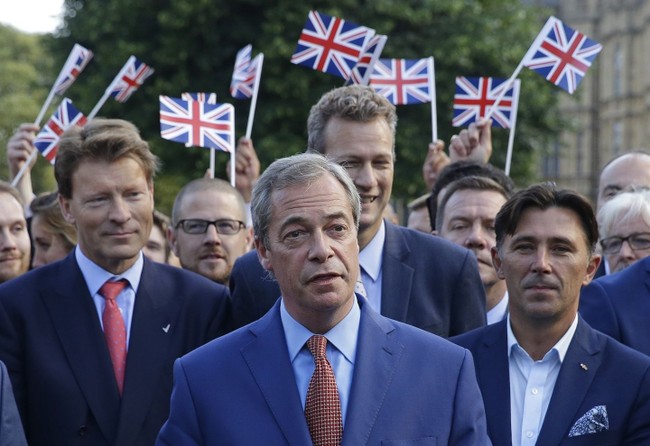
This piece looks at the surge of Nigel Farage’s Reform UK after recent council elections, the country’s immigration crisis, and whether a Farage-led movement could realistically reshape Britain’s political future and restore national confidence.
The image of Britain alone, defiant and resolute, still circulates in political memory. After two world wars and the end of Pax Britannica, the island remained distinct in culture and identity, even as global shifts diluted imperial reach. In recent decades the mood shifted again as governing parties embraced large-scale immigration policies that changed communities and provoked intense debate about social order and safety.
Voters reacted in the latest local contests with a pronounced tilt away from the incumbent Labour government, and Nigel Farage’s Reform UK rode that wave. Farage presents himself as a populist alternative, promising tough enforcement of immigration laws and a return to a Britain that prioritizes its own borders and cultural cohesion. The message landed in numerous wards and councils, prompting sharp reactions from the establishment and renewed questions about whether a new right-wing governing coalition could form.
Electoral gains at the council level can be more than symbolic; they can shift narratives and put pressure on national leaders. Reform’s success forced a defensive posture from Labour’s leadership and energized a base that has felt ignored by traditional parties. The ripple effects of local victories can reshape momentum, giving insurgent parties credibility and fundraising power as they prepare for larger battles on the national stage.
One striking element of the post-election commentary is the confidence now being claimed by Reform figures about a broader political realignment. That confidence rests on a toxic mix of public frustration over crime, strains on public services, and a perception that immigration policies have been mishandled. For many voters, these issues are intertwined with identity and security, and addressing them decisively is seen as the litmus test for any viable government.
There is, of course, the constitutional reality: the next scheduled general election is not until 2029. But Britain’s flexible political mechanics mean a snap election is possible under certain circumstances. That potential raises tactical questions: will Labour cling to power, try to ride out the storm, or call a fresh election to test its mandate? Political pressure and declining local support can force unexpected outcomes, especially when defections or coalition shifts occur.
The practical work of governing after a populist surge is the real test. If Reform—or any future government committed to reversing recent immigration trends—aims to reduce net inflows and enforce removals, the logistics would be immense. Deportations at scale, legal challenges, and international obligations complicate any rapid solution. There is also the social task of holding a country together through those operations while preserving civil order and public trust.
Many voters who backed Reform did so because they want to see laws applied and borders controlled, not necessarily because they relish political upheaval. That means a successful government must deliver measurable results: fewer unlawful entries, better-managed asylum procedures, and clearer community safety outcomes. Only concrete improvements will sustain popular support beyond protest politics.
There is another element that rarely makes headlines: the international and diplomatic dimension. Any significant change to migration policy will affect relations with neighbors, international organizations, and countries of origin. A government intent on major shifts must navigate treaties, human rights commitments, and logistical realities while communicating purpose and legality to both domestic and global audiences.
Ultimately, the question is whether a wave of local victories can translate into durable national change. Electoral surges give momentum, but translating momentum into policy requires capacity, legal groundwork, and steady political leadership. For many British voters, the outcome will hinge on whether promises about restoring order and controlling immigration can be made real without tearing the social fabric.
“When you look at these seismic local election results, remember how the Left has constantly attempted to smear, disparage, ridicule and discredit Nigel Farage and his party. Ponderous commentators have repeatedly predicted the Reform bubble would deflate; just another protest vote to be forgotten when Business as Usual returned to the political scene and voters drifted back to the old Tweedledum and Tweedledee of Labour and Conservative. Already, the night has exceeded even Nigel Farage’s expectations. Reform is eating Labour’s breakfast, lunch and dinner.”
.
There is a long list of obstacles between council chambers and 10 Downing Street, but electorates often prize decisive action over careful hedging. If a new leadership offers clear, enforceable plans that reduce visible harms and restore confidence in public safety, it can consolidate support quickly. Failure to do so, or clumsy implementation that deepens divisions, would squander the opening Reform now enjoys.
Politics in Britain has always been volatile in moments like this, swinging swiftly when public sentiment shifts. The next moves will tell whether this is a fleeting protest or the start of a durable realignment. For now, the country is watching, and the laboratory of local politics has delivered a potent signal that change is in the air.
I can only :



Add comment