
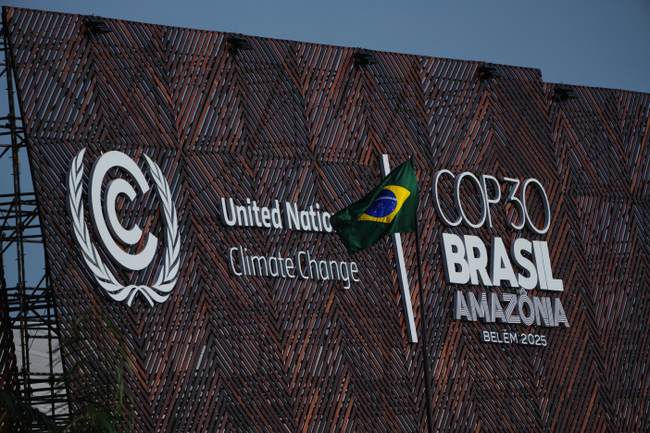
Ed Miliband, the UK energy secretary, flew to Brazil twice for COP30, producing significant emissions and taxpayer costs that critics say contradict his climate rhetoric and priorities.
Climate conferences bring officials together, but when delegates cross oceans in luxury, it raises real questions about consistency and priorities. Critics note that the travel, hotels, and entourages tied to these trips generate emissions and expenses that often dwarf the modest steps most citizens are asked to take. The optics matter: preaching restraint while living large never plays well with voters or taxpayers.
In Miliband’s case, the opposition points out that he first flew to Brazil to meet senior figures in Rio and then continued on to Belem for the summit. He returned to the UK and, within days, was reported to be flying back for the conference. Two transatlantic round trips for one minister look excessive when framed against calls for shared sacrifice on climate action. The tally of flights, ground transport and luxury accommodation that typically accompanies such trips quickly adds up.
Energy secretary Miliband flew to Brazil ten days ago to meet up with PM Sir Keir Starmer and Prince William in Rio de Janeiro before they all flew onto Belem where the COP30 climate summit is taking place.
Mr Miliband then flew back to the UK last Sunday – but the Net Zero zealot is set to return to Brazil, making an identical trip again, this Saturday.
While in Brazil the first time he was spotted dining out at a luxury rooftop restaurant with views over Rio above the £1250 a night five star hotel he was staying at – with fellow eco campaigners.
By the time he has returned to Britain for a second time his four-leg plane journeys will have cost the taxpayer an estimated £22,000 – and created some six tons of CO2 emissions.
This amounts to the average annual carbon footprint for a whole household in the UK across an entire year.
Those numbers jump off the page: roughly six tons of CO2 and an estimated £22,000 billed to taxpayers for two trips. For many voters that looks like the carbon footprint and expense of an entire household or small business condensed into one official’s itinerary. When ministers talk about belt-tightening for families, they have to expect scrutiny when their own trips carry such a heavy price tag.
Defenders claim in-person diplomacy is hard to replace, arguing that coordinating a summit of this scale over video would be chaotic. That line sounds familiar, but businesses and legislatures routinely use Teams, Zoom and similar platforms to get important work done. Saying something cannot be done virtually rings hollow when remote work is now routine across the public and private sectors.
A source at the Department for Energy, Security and Net Zero justified Mr Miliband’s globe trotting double trip, saying: ’It’s a lot easier for everyone to meet in person – trying to organise a summit of this scale on Teams or Zoom just wouldn’t work, it would be chaos.’
Even if face-to-face talks produce marginal gains, the cost-benefit equation matters. Without major emitters like India and China fully on board, critics argue these summits become more about photo ops than policy wins. Attendees shake hands, swap talking points and return home with headlines, while measurable progress remains elusive.
Political opponents have been blunt: ministers should focus on lowering bills and managing domestic priorities rather than making grand gestures abroad. That critique lands in ordinary living rooms where families weigh energy costs, commuting expenses, and the real-world impact of climate policy. Electorates want policies that help them, not symbolism that costs them.
Beyond optics, there’s a practical argument: governments should set an example. If officials demand sacrifices from citizens, their personal and travel choices should reflect that ask. Otherwise, public trust erodes and skepticism grows, making it harder to pursue serious environmental programs that require sustained support and shared sacrifice.
The debate over Miliband’s travel isn’t just about one man’s itinerary. It’s about whether political leaders live up to the standards they demand of others and whether public funds are spent in ways that match stated priorities. Those are fair questions for any minister attending a high-profile international summit.

Add comment