
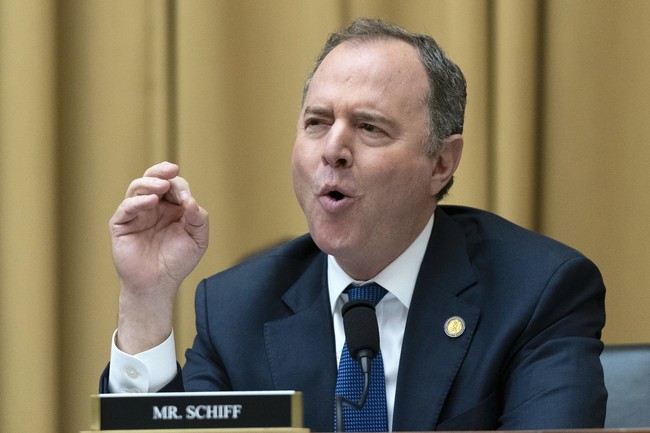
The piece critiques Democratic reactions to Tulsi Gabbard’s resignation as Director of National Intelligence after her husband’s cancer diagnosis, focusing on Adam Schiff’s remarks and broader party behavior, arguing these responses showed a lack of basic decency and political decorum.
California Sen. Adam Schiff has long been a polarizing figure, and his response to Tulsi Gabbard’s personal crisis only deepened that divide. Many who lean right see his quick shift from sympathy to a partisan attack as emblematic of a party that weaponizes every moment for political gain. The timing and tone of his comments struck conservatives as unnecessary and cruel given the circumstances.
When news surfaced that Gabbard’s husband faces a rare and serious bone cancer, public reaction should have centered on compassion and privacy for the family. Instead, some Democrats used the announcement as an opening to re-litigate her tenure and policies. That choice revealed priorities that many find troubling: scoring points over showing humanity.
There is a political argument to be had about any official’s record, including a DNI’s. But a record review hours after someone announces a serious family health crisis reads as callous, not constructive. People across the political spectrum expect at least a baseline of respect during personal emergencies, and Schiff’s statements crossed that line for a lot of observers.
My thoughts go out to Tulsi Gabbard and her family, as her husband battles this serious health problem. I hope and pray that he makes a speedy and full recovery.
That opening line reads as the sort of obligatory sentiment you offer and then leave at that. What followed from Schiff did not stop there, however, and the contrast was jarring. Turning from expressed sympathy into a broad denunciation of her tenure within hours felt like bad faith to many conservatives.
While the circumstances around her departure are deserving of our sympathy, let’s be clear: Tulsi Gabbard’s only positive contribution to our nation’s national security is her resignation.
She politicized intelligence. She dismantled critical agencies keeping Americans safe. She weaponized the IC to pursue baseless election fraud claims. And more.
We must ensure that her tenure — marked by a devotion to the person of the president and not to the security of the country — represents a terrible exception at DNI and not the new normal.
Those lines are stark and sweeping, and the timing made them feel worse than their content alone. Republicans aren’t surprised that Democrats will criticize policy, but many are stunned at the willingness to launch a partisan broadside while a family grapples with a life-threatening diagnosis. The gap between political debate and basic decency matters.
Responses from the right were swift and harsh, calling out what they saw as hypocrisy and heartlessness. Commentators and conservative authors labeled the reaction unacceptable, and social channels filled with condemnation directed at Schiff and other Democrats who piled on. That chorus reflected a broader frustration with a political class perceived as losing touch with ordinary standards of conduct.
The outcry included columnists and pundits who framed the episode not merely as a bad tweet or a poorly timed statement but as evidence of a deeper cultural shift within the party. To critics, this wasn’t isolated; it fit a pattern of prioritizing partisan advantage over human empathy. That perception hardens voters’ views of the Democratic Party and its approach to political engagement.
Some responses were blunt and even personal, naming Schiff and others directly for what critics called a lack of moral sense. Examples circulated across platforms where conservative voices cataloged similar incidents, arguing that the Gabbard episode was far from unique. For many on the right, the pattern confirms long-held doubts about the left’s moral posture.
There’s a real policy debate to be had about what Gabbard did or didn’t accomplish as DNI, and fair critique belongs in that conversation. But most Americans expect that when someone reveals a serious family illness, the political world can pause and show basic human courtesy. That expectation matters, and it’s part of the damage critics say the left keeps doing to its own credibility.
Many conservatives cited a string of comments across social media calling the response “heartless” and worse, while others dug up past controversies to bolster their view that Schiff’s conduct is part of a larger pattern. That mix of moral outrage and political complaint is what keeps this story alive beyond the initial announcements.
The incident invites a broader question about political norms and how they are enforced, if at all, within parties. If partisan scoring becomes the first instinct in moments of personal tragedy, it risks alienating moderate voters and reinforcing fears that politics has become unmoored from basic human decency. For Republicans watching, it confirms concerns about the cultural tone coming from Democratic leaders.
Whatever one thinks of Tulsi Gabbard’s policies, the immediate public reaction to her personal news became a test of character for the political class. Many conservatives concluded that the test was failed, and that conclusion will influence how voters perceive not just individuals but the party culture that produces them.


Add comment