
The article explains how President Donald Trump, his administration, and the National Task Force to Combat Antisemitism (NTFCA) are responding to a sharp rise in antisemitic violence and harassment in the United States, describing recent attacks, political dynamics, and a May 18, 2026 summit in Washington that brought government and private leaders together to coordinate action.
Since October 7, 2023, antisemitism in the United States has surged in ways that many Americans find alarming and unacceptable. Violent attacks, harassment, and vandalism have become more frequent, with several high-profile murders and assaults drawing national attention. Communities, synagogues, and Jewish-owned businesses have faced threats and direct violence that demand a serious, coordinated response.
The political landscape matters in how authorities respond, and the article argues that Democratic-aligned activists and some public figures have at times amplified hostilities rather than calming them. That political context, the narrative continues, left gaps in enforcement and accountability under the prior administration. Critics say this created a sense of impunity among some of those who targeted Jews or celebrated violence.
Under the Trump administration, federal agencies have shifted priorities to address antisemitic incidents more aggressively, including investigations and prosecutions where laws were broken. The Department of Justice formed an Advisory Committee on Anti-Semitism, led by Leo Terrell, to guide efforts and coordinate with local communities and law enforcement. Counsel Terrell is slated to conduct a nationwide outreach effort to build local partnerships and improve reporting and response.
Private organizations have also stepped up, forming coalitions to confront antisemitism across civic institutions and campuses. The National Task Force to Combat Antisemitism (NTFCA) launched after October 7, 2023, aiming to bring religious, civic, and government leaders into a single unified effort. Its co-chairs include leaders from Christian and Jewish communities and former government officials experienced in national security and religious freedom advocacy.
The NTFCA summit in Washington on May 18, 2026, assembled federal officials, religious leaders, private-sector representatives, and the Israeli ambassador to discuss coordinated strategies. Attendees focused on improving information sharing, supporting victims, strengthening criminal enforcement, and countering antisemitic rhetoric in public institutions. The gathering emphasized practical steps states and localities can take alongside federal action.
Speakers at the summit represented a mix of government and civic leadership, reflecting a belief that combating antisemitism requires both public policy and community effort. The event program listed several high-ranking participants and included recorded remarks and panels on enforcement, education, and outreach. The summit materials highlighted the need for law enforcement training and for faith leaders to help de-escalate tensions in their communities.
- , Senior Counsel and Chair.
- , Deputy Assistant to the President and Senior Director for Counterterrorism.
- Sen. (R-FL).
- Rep. Kat Cammack (R-FL-03).
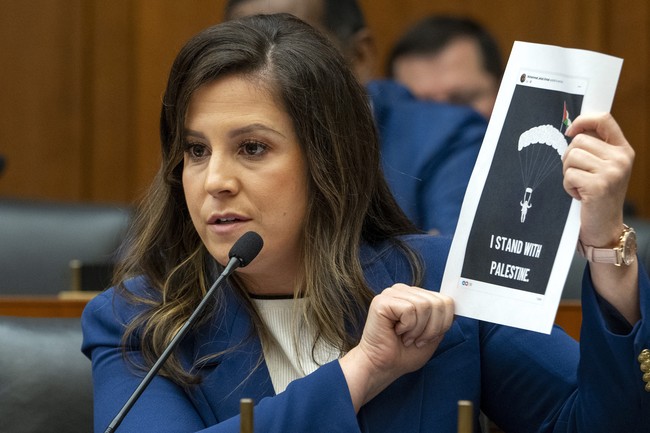
- Rep. Elise Stefanik (R-NY-21).
- Israeli Ambassador .
Other materials and video from the event were made available for public viewing to ensure transparency and to let local leaders adopt recommended practices. Two event videos were highlighted for their useful discussions on coordinating community protection and legal responses. These resources were intended to help communities adopt best practices that proved effective in other jurisdictions.
https://x.com/SenMcCormickPA/status/2057586599412539646
The NTFCA leaders framed their work as a moral duty to defend religious freedom and Western civic values against a rising tide of hatred. At the summit’s close, Pastor Mario Bramnick spoke directly about the group’s mission and its connection to the administration’s stance on antisemitism. His remarks were forceful, stressing unity across faith and civic lines and the need for sustained collective action.
As we applauded President Trump’s unwavering resolve in combatting the historic rise of antisemitism on the political right and on the political left in America, it is imperative that Christian, Jewish and institutional leadership unite to eradicate this hatred, set not only against the Jews but also against our democracy, freedoms and western values. Our National Task Force Combatting Antisemitism has been established as a collective voice to counter this malignancy for such a time as this.
The coalition model pairs federal enforcement with community education and private-sector engagement, aiming to reduce incidents and improve prosecution of hate crimes. Organizers argue that sustained coordination, not sporadic headlines, will produce long-term reductions in violence and intimidation. They also emphasize training for law enforcement and better communication between federal, state, and local authorities.
Critics on the other side of the political spectrum are unlikely to praise these moves, but supporters say action matters more than applause. The combined approach from the Trump administration and organizations like the NTFCA seeks to make prevention and accountability the default response to antisemitism. The work will likely continue in courts, classrooms, houses of worship, and on the streets as leaders push to protect vulnerable communities.
Alongside the summit and federal initiatives, unions, schools, and other institutions face pressure to revise policies that may allow bias to persist. The conversation about institutional responsibility is ongoing, with advocates calling for clearer rules, better reporting mechanisms, and stronger protections for Jewish students and professionals. Those efforts, supporters say, are essential to reversing a disturbing trend in public life.
To support these efforts, the administration and its partners are releasing guidance, training resources, and contact points for reporting antisemitic threats and crimes. Community leaders are urged to use these tools to create safer environments and to coordinate directly with law enforcement when incidents occur. The combined public-private strategy aims to make the United States less hospitable to antisemitic violence and more capable of prosecuting those who commit it.


Add comment